


Stop Heating Your Machine and Start Heating Your Wafer
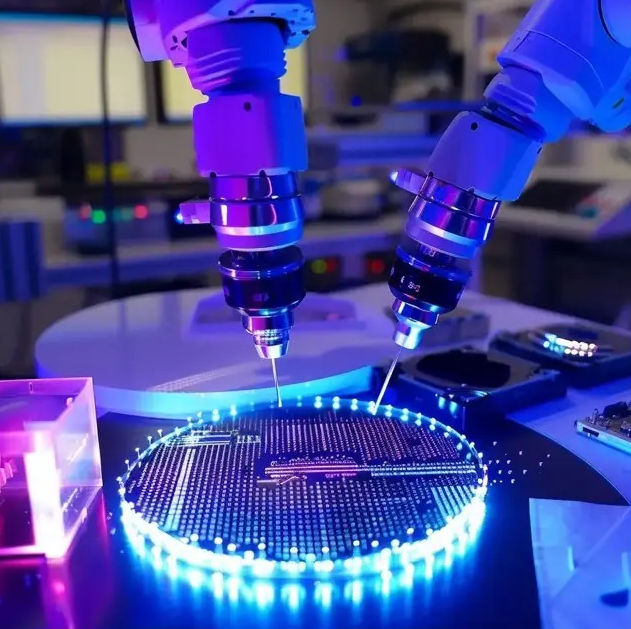
Ever touched the side of a semiconductor chamber and practically felt your skin sizzle? That’s “heat soak.” Most standard convection heaters just pump heat into the air, which means your expensive equipment spends half its time absorbing energy it doesn’t need. It’s a waste of power, and it makes the chassis dangerously hot. We’ve found a better way: directional infrared (IR) heating lamps. How it actually works Think of it like the sun. Conventional heaters try to warm up the whole room, but IR lamps send out radiation in a straight line. The energy doesn’t really “become” heat until it actually hits your target. If you pick the right wavelength—usually short or medium wave—the energy just breezes past the chamber walls. It goes straight for the wafer. Keeping things cool To make sure the walls don’t get scorched, we use reflective shielding and get really picky about where the lamps are placed. This keeps the heat exactly where it belongs: the work zone. The result? A tight thermal footprint. Your operators won’t burn their hands on the outside of the machine, and your facility’s HVAC system won’t have to work overtime to keep the room from turning into a sauna. The honest trade-offs Look, IR isn’t a magic fix. Since it’s line-of-sight, it has a weakness: shadows. If a clamp or a probe gets in the way, you’re going to get a cold spot on your substrate. You have to be smart about how you map your heater array to fill those gaps. Also, keep an eye on your power. These high-intensity lamps pull a lot of juice. Just double-check that your wiring can handle the peak current so you aren’t tripping breakers every Tuesday. Getting it running The best part about moving to directional IR is that you can hit much higher process temperatures without turning the entire tool into a giant radiator. It just makes the whole safety setup simpler. One quick tip: IR hits target temperatures way faster than old-school resistive elements. Because it’s so snappy, I highly recommend using a fast-response thermocouple. It’ll stop you from overshooting your temp and ruining a batch.