
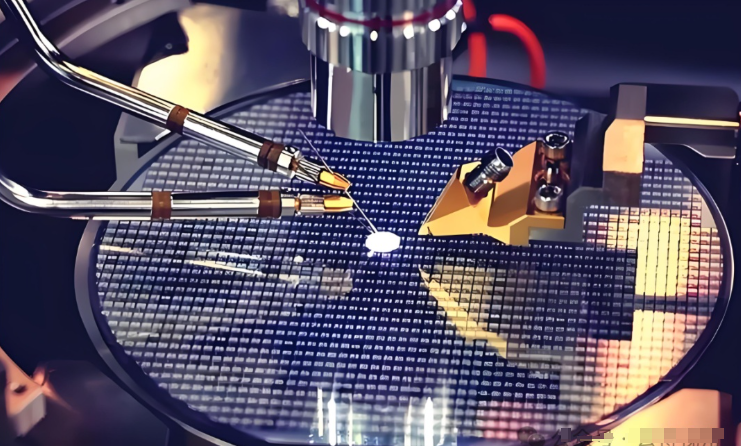
Why we’re ditching convection ovens for IR curing
If you’ve spent any time in a semiconductor cleanroom, you know the drill with convection ovens. They’re bulky, they’re slow, and they basically try to heat up the entire room just to dry a few wafers. It’s a waste. That’s why we’ve moved toward infrared (IR) curing. Instead of heating the air, IR goes straight for the substrate. It’s cleaner, faster, and it’s the reason most “eco-friendly” or lead-free setups actually work today. The actual physics of it Think about how a convection oven works. It pushes hot air around. But air carries particles, and keeping that air hot takes a massive amount of power. IR is different. It uses electromagnetic radiation to dump energy directly into the photoresist or adhesive. The result? Your ramp-up time vanishes. We’ve seen curing cycles that used to take hours drop down to a few minutes. Your power bill thanks you, and your wafers get done way faster. Dealing with lead-free standards Here’s the tricky part: lead-free solders and adhesives need much higher temperatures than the old leaded stuff. If you try to hit those peaks with hot air, you’re waiting forever. Worse, you risk baking the entire board until it’s ruined. With IR, we can pick specific wavelengths—usually short or medium wave—that soak through the coating and hit the interface exactly where it needs to be. You get the heat you need without turning the surrounding components into toast. Making it work in the cleanroom The footprint is a huge plus. IR heaters are small. You don’t need those massive ducts or heavy-duty filtration systems just to keep your ISO rating intact. But, you have to be careful. IR is intense. If your conveyor belt lags or a sensor glitches, you can burn right through a substrate in seconds. It happens fast. You also need a cooling stage that can pull that heat away the second the wafer leaves the curing zone, otherwise, you’re looking at warping. To sleep better at night, we usually plug in closed-loop PID controllers. It keeps the surface temp within a tight ±2°C window so you aren’t guessing.