

Introduction
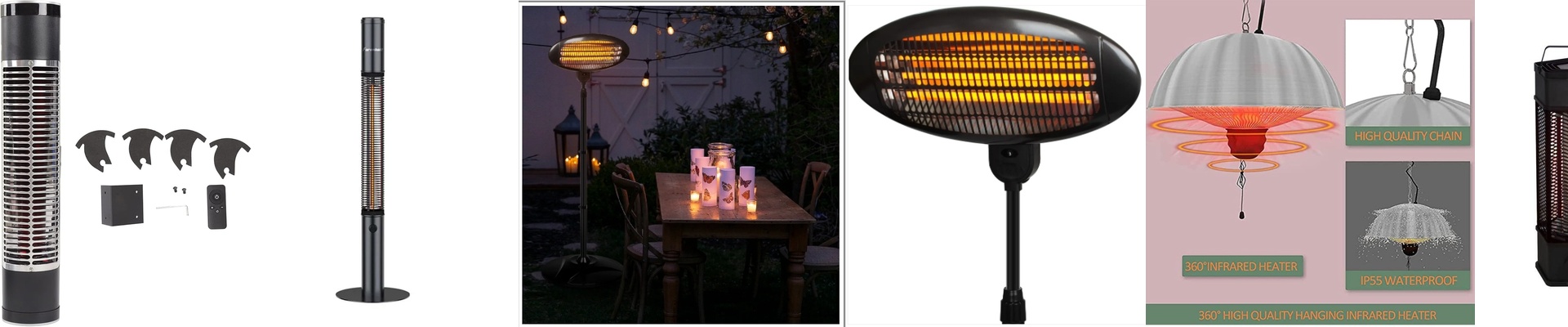
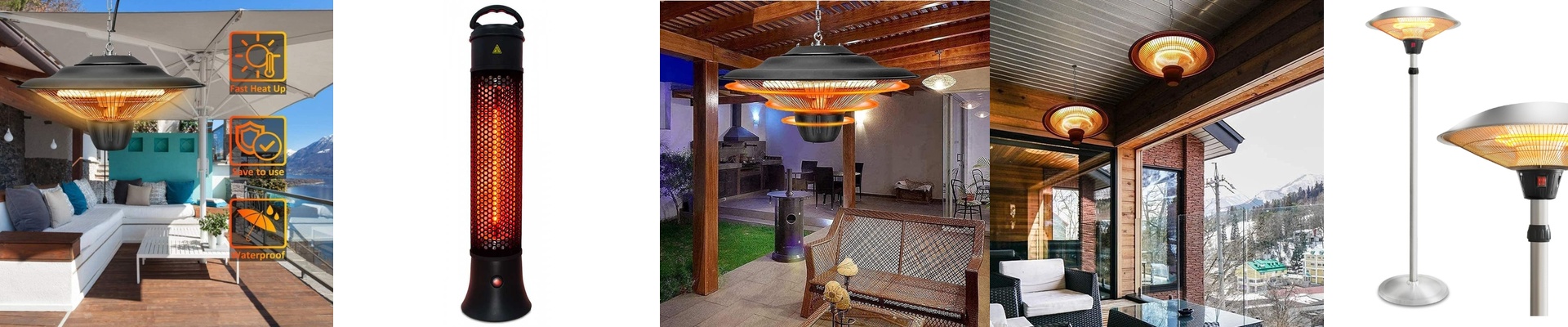
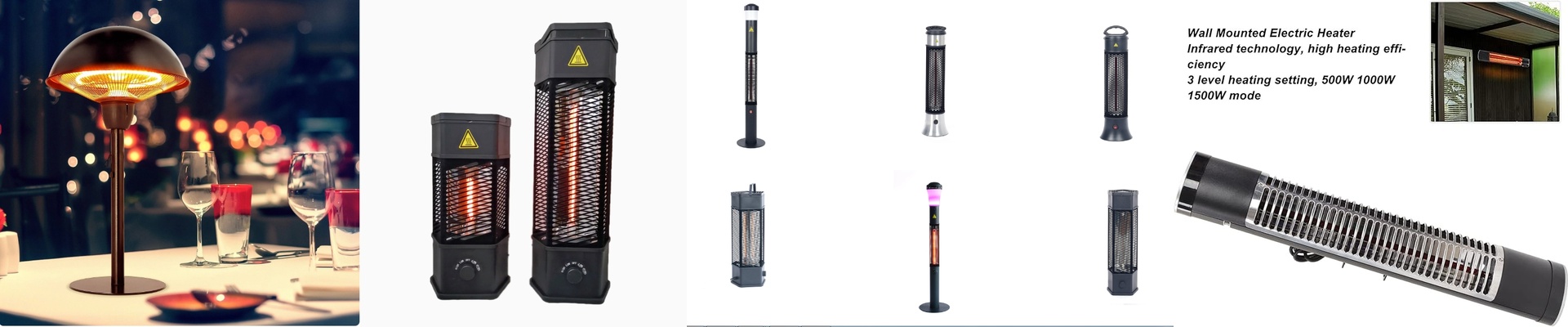
Here’s the thing about cleanroom curing: you need heat, and you need it fast—but you absolutely can’t compromise the space. That’s exactly what we built this trolley heater around. We leaned on infrared halogen heating because it gives you the kind of controlled, targeted energy that makes material bonding and coating feel effortless. It’s clean. It’s precise. And it’s made to meet the toughest standards for lead-free, all-environment protection. This isn’t just another heater. It’s a thermal tool, designed for the strictest industrial settings—where control isn’t optional, it’s everything.
Power and Specs, Without the Fluff
At the heart of it is a shortwave infrared halogen tube, built to pack serious power into a small footprint. It runs at 2500W on a 400V supply, and that combo is chosen for one reason: rapid temperature rise. You get fast ramp-up when you need it, which is crucial for curing cycles, without overloading the trolley’s power setup. The tube length is 300mm, a standard size that fits common trolley profiles and creates a focused heating zone. So you can slot this heater into tight spots without having to redesign the whole cart. It just fits.
Materials and Design: The Details That Matter
We went with a quartz envelope and halogen fill gas. Why? Because it keeps the filament temperature stable, so output stays consistent over time—even after repeated thermal cycles. No annoying drop-off. The quartz is also coated to block UV emissions, which protects sensitive materials and components from photochemical damage. That’s the kind of protection you only notice when something doesn’t get damaged. For installation, we use an R7s connector. It’s a simple drop-in replacement—swap the lamp, wire it up, and you’re done. The connector handles high current without getting hot, and it holds up to vibration and the occasional knock that happens on the shop floor.
How It Performs in a Real Cleanroom
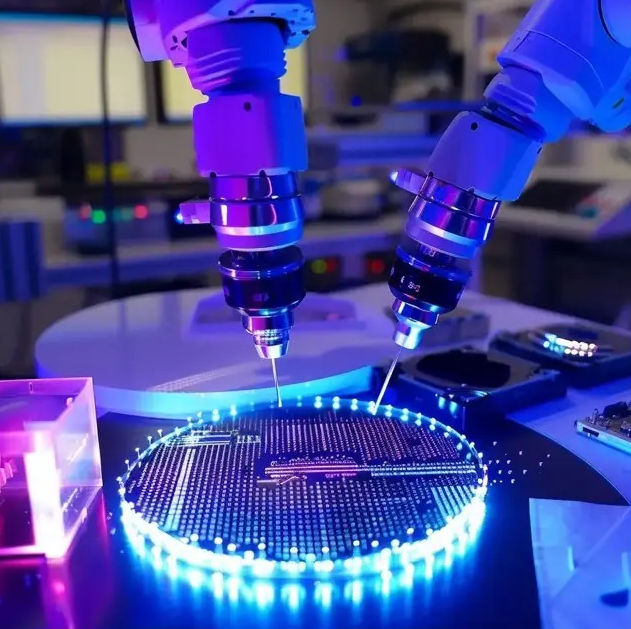
In a semiconductor cleanroom, you need curing that’s fast, clean, and repeatable. Infrared halogen heating delivers energy straight to the target, heating what matters instead of wasting time heating the air around it. That means shorter preheat and less wasted energy. The system supports lead-free, all-environment processes and meets industry standards for environmental compliance. Now, there is one thing to keep in mind: a 2500W tube at 400V puts out significant heat density. So your trolley chassis and nearby components need proper cooling and thermal separation. Plan your airflow and mounting with that in mind, and you get a curing setup that stays reliable, keeps contamination low, and keeps uptime high.