


The Real Question: Can We Just Swap It In?
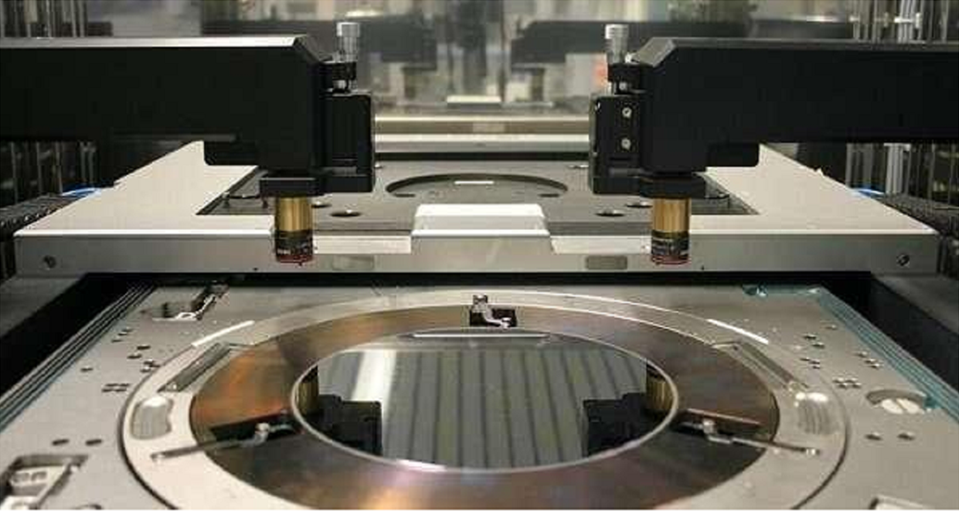
Here’s the situation we’re all dealing with on the shop floor: we’ve got a domestic alternative to those Lam Research heating elements. The big question is whether it can slide right into the spot of the original, without us having to tear the whole machine apart. We’re talking about an infrared heating lamp, designed for a straight, non-destructive swap. The whole point is to match the original’s performance, but without the headache of a full re-build.
Power, Size, and the Bottom Line
Let’s get into the details. This replacement lamp runs at 400V and packs a 2500W punch. That power is squeezed into a compact 300mm tube, which is exactly what’s needed to keep the wafer temperature profile consistent. But here’s the catch: that 400V input needs a solid power supply. If your current wiring is on the thin side, you’ll need to upgrade the line to handle the extra current. And that 300mm length? It’s not just a suggestion—it’s the exact dimension that makes sure the lamp fits the chamber perfectly, with zero fiddling.
What It’s Built From
Inside, you’ve got a shortwave infrared halogen element, all tucked into a quartz tube. This setup gives you fast heat-up times and precise temperature control—exactly what you need for semiconductor work. The secret to the easy install is the R7s connector. It’s a standard bi-pin setup, so you can just unclip the old unit and wire the new one in. No cutting, no custom brackets. Just a clean, simple swap. Just be gentle with the quartz tube. It can handle the heat, but it doesn’t like being bumped or dropped during installation.
The Win for Your Uptime
For anyone on the floor, the biggest win here is keeping the machine running. With the R7s connector, you’re cutting out hours of re-engineering and downtime. The infrared tech delivers focused heat, so you get faster warm-ups and stable process temperatures, even when you’re pushing through high-volume cycles. You’re getting OEM-level performance at a better price, but you need to make sure your power setup is ready for 400V and that you have proper cooling in place to manage the heat.
The One Thing You Can’t Ignore
Let’s be real—a 2500W lamp running at 400V throws off a lot of heat. The lamp itself fits like a glove, but the surrounding equipment has to be able to handle that extra warmth. Before you even think about wiring it up, check your cooling system. If the cooling is just barely enough, the lamp will still work, but the chamber’s electronics and sensors will start running hotter. Over time, that heat can shorten their life. It’s the trade-off for packing so much power into such a small space.
The Real-World Takeaway
This domestic infrared lamp is built as a direct replacement for Lam Research systems. It hits the right power, the right size, and the right connector. The fit is proven, the performance is repeatable, and the physics are solid. Just run through a quick checklist before you install: confirm the voltage, measure the space, and make sure your cooling system is up to the task. If those boxes are checked, you’ve got a reliable, cost-effective way to keep the line moving.