
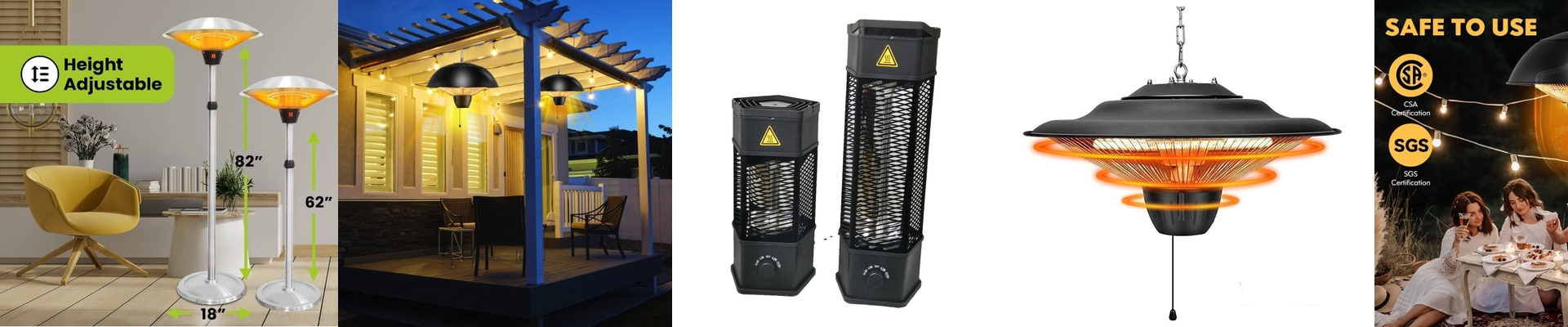
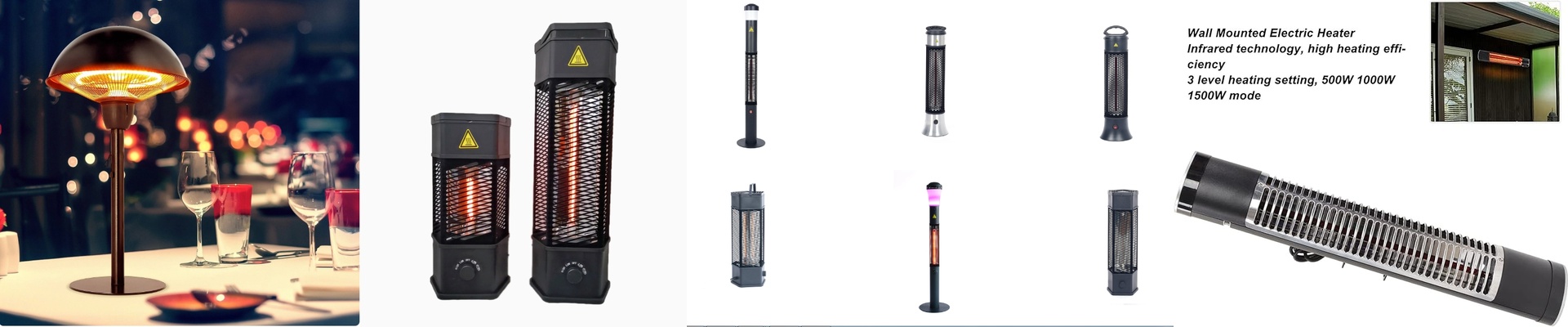
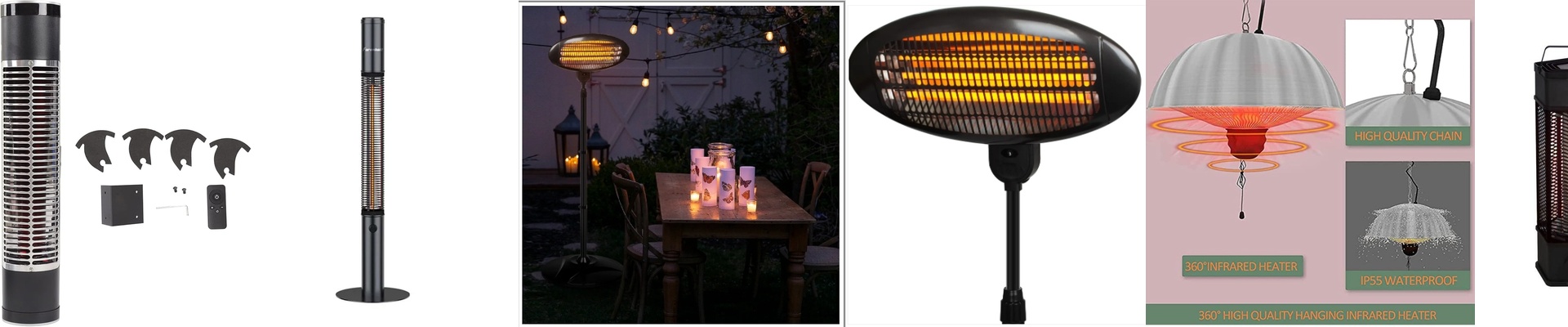
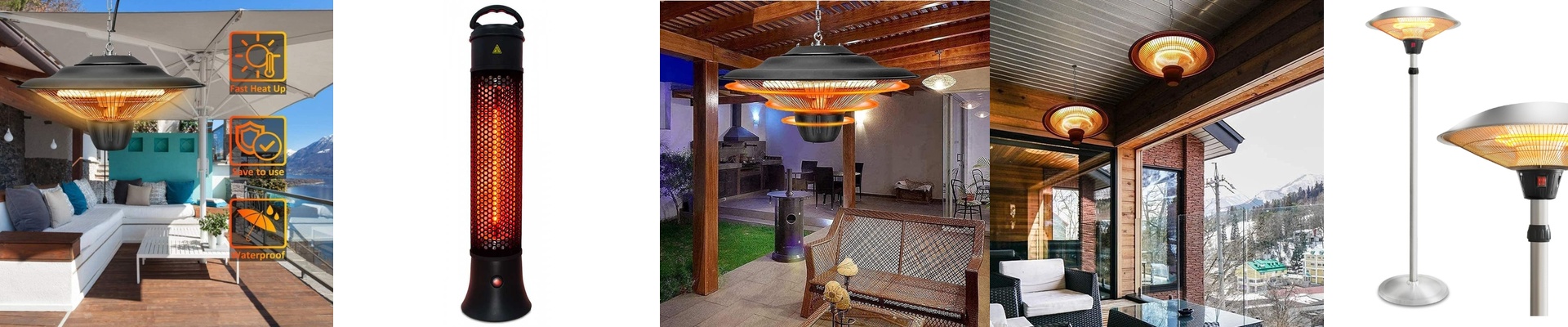

When the evening air turns sharp, you don’t want your outdoor room shutting down—no warmth, no vibe, and everyone reaching for a jacket. An electric blow heater brings that immediate infrared comfort that turns a chilly patio into a space you can actually use, fast. We built ours around a straightforward goal: heat that arrives on demand and keeps showing up, season after season.
What’s actually under the hood
An electric blow heater is straightforward: a high-output infrared element—usually a quartz tube or a carbon fiber strip—paired with a quiet, direct-drive fan. The fan pulls air across the hot element and pushes it out, blending radiant heat with warmed airflow so you feel warmth quickly, not just right next to the unit. Most models run on a standard 120V household circuit, with outputs typically ranging from 1,500W to 5,200W. That covers everything from a small, sheltered corner on a mild night to a larger covered patio when the wind kicks up. Look for an adjustable thermostat, tip-over protection, and an IP rating that tells you the unit is protected against dust and splashing water. Those features matter on patios, in workshops, and in covered outdoor kitchens.
Why this style fits outdoor living
Outdoor heating is less about hitting a number on a thermometer and more about making the space feel lived-in. Infrared warmth hits people and surfaces first, so you feel cozy even when the air is cool. With an electric blow heater, comfort is on-demand—no long warm-up, no fuel canisters to swap, and no smoke. It slots naturally into how people actually use outdoor rooms: conversations keep going, meals stay comfortable, and evenings extend without turning the whole yard into a single heat zone.
What you need to get right
These heaters are plug-and-play in most homes, but placement makes the difference. Give the unit clearance from curtains, furniture, and overhead structures, and keep the airflow path clear so heat distributes evenly. Most are designed for covered or sheltered outdoor areas, so heavy rain exposure isn’t recommended. And for peace of mind, our coverage is simple: if your infrared heater fails in the first year, our global after-sales team arranges a replacement under the terms of the protection plan. Warm nights, fewer headaches.