
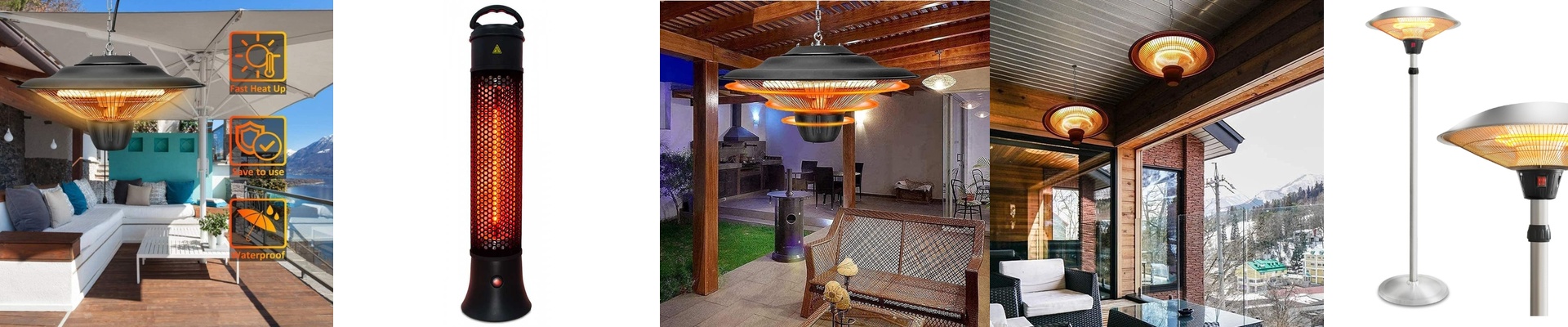
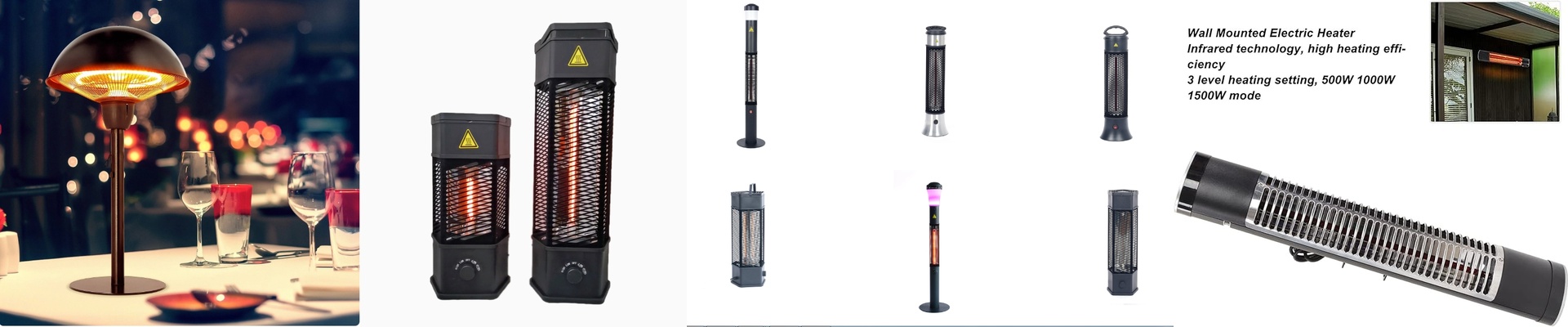
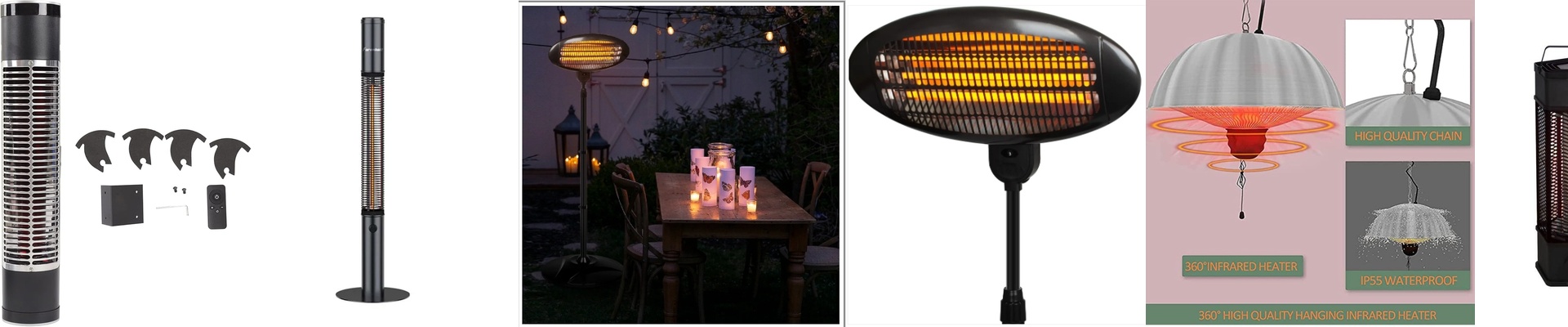

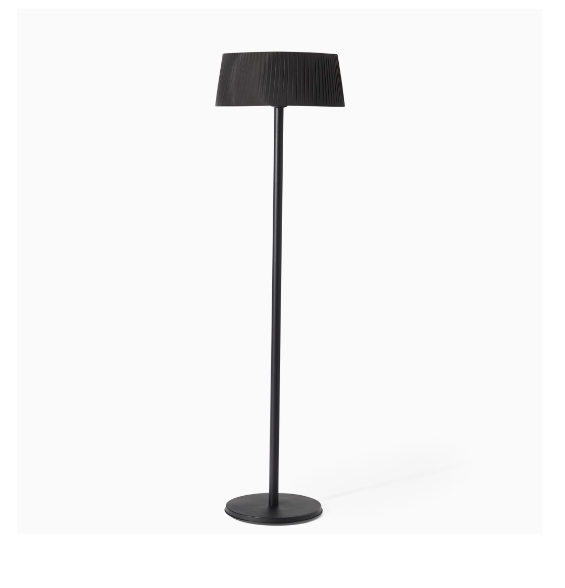
Winter shows up without fanfare, and with it come cold floors, shoulders that feel locked up, and evenings that drag. When the air turns brittle, waiting for the room to warm up feels like time you just lose. We built this affordable infrared electric heater to skip the waiting—delivering heat right where you need it, the instant you flip the switch, and turning a chilly space into one you actually want to be in.
What matters, technically
Infrared warmth works by radiating heat directly to people and surfaces, the same way the sun warms your skin on a clear morning. Inside this electric heater, a high-efficiency carbon fiber element comes up to temperature fast, so you feel comfort without first heating the entire volume of air. Switch it on, and you get warmth immediately—no loud fan kicking up dust. It’s designed to run on standard household circuits, and the footprint is compact enough to fit where space is tight: a living room wall, beside a workbench, or near the dining table. For steady comfort, an adjustable thermostat helps hold the temperature you want. And for peace of mind, it includes safety protections—tip-over protection and an overheat cutoff.
Why this approach fits real life
In the middle of family life, warmth isn’t just comfort—it supports how people feel day to day. Radiant heat can help soothe muscles, ease joint stiffness, and support better circulation, so mornings are easier and evenings settle down. Because the heat is directed where you need it, you can keep the whole-room thermostat lower and still feel cozy, which helps you use energy more thoughtfully. The same principle works outside. In a covered patio or sheltered entryway, infrared heat keeps the space usable when the air turns sharp—so the backyard doesn’t get abandoned. It becomes somewhere for conversation, laughter, and the quiet moments that happen when people linger.
What to keep in mind
For the best results, position the heater so the infrared beam hits the people in the room, not just the walls. Give the unit clearance for airflow, and follow the clearances in the manual. It’s intended for indoor use and protected outdoor spots; in damp areas, pick a model rated for the environment and plug it into a grounded outlet. Infrared heat feels best when it has a clear line of sight—so placement matters as much as the technology.