
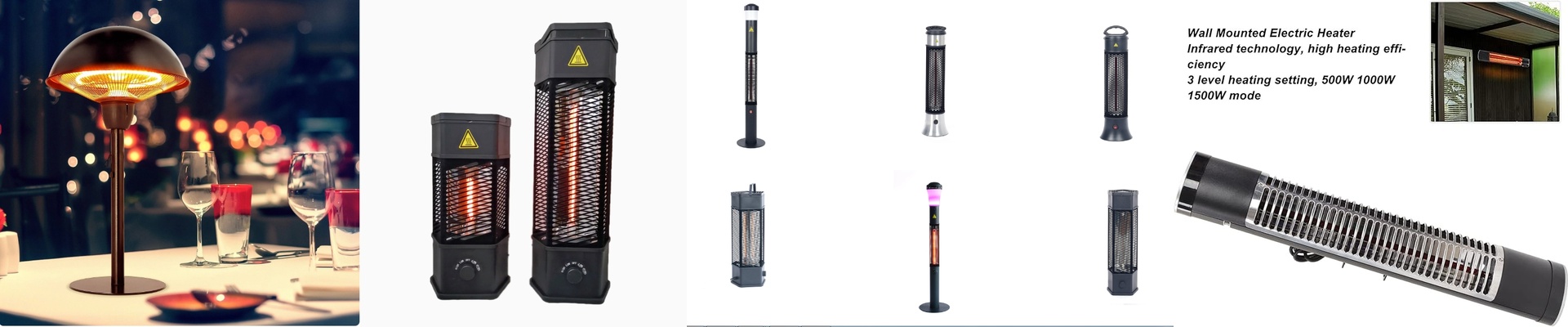
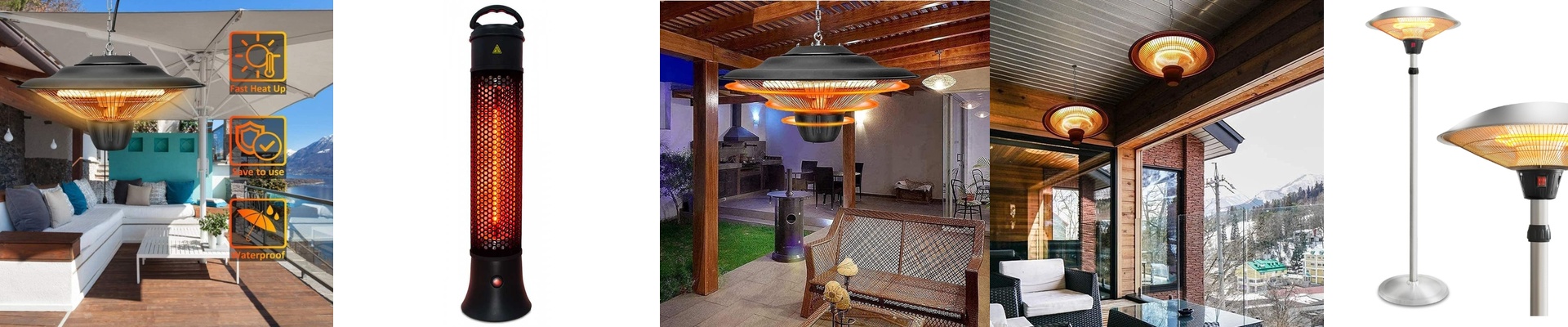
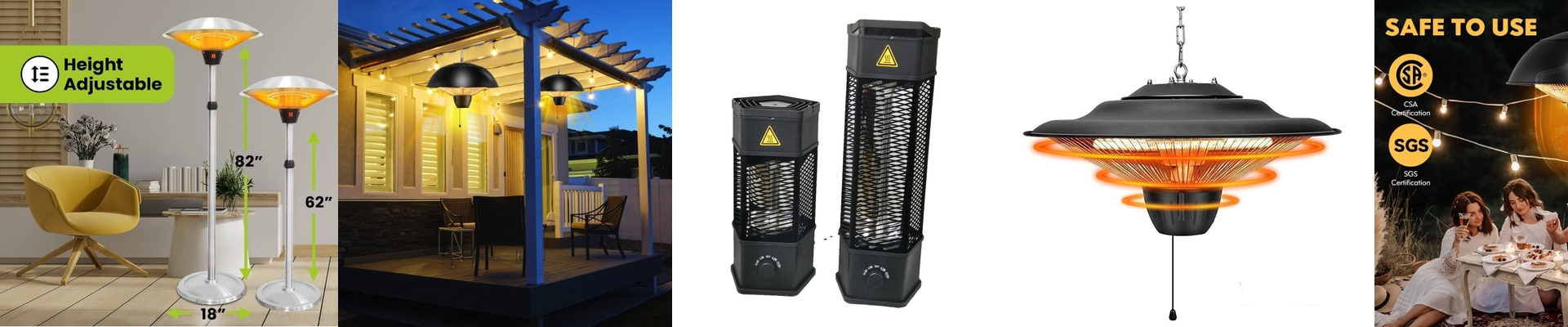
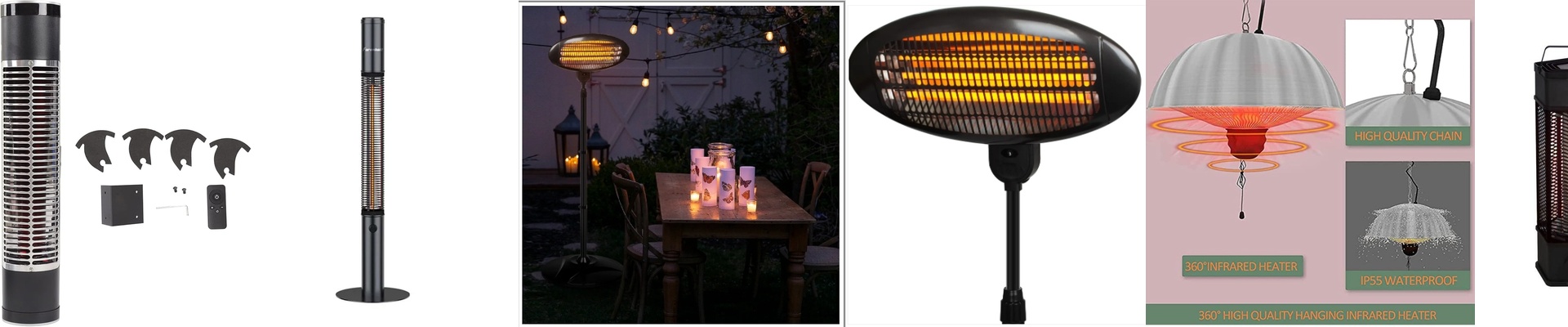
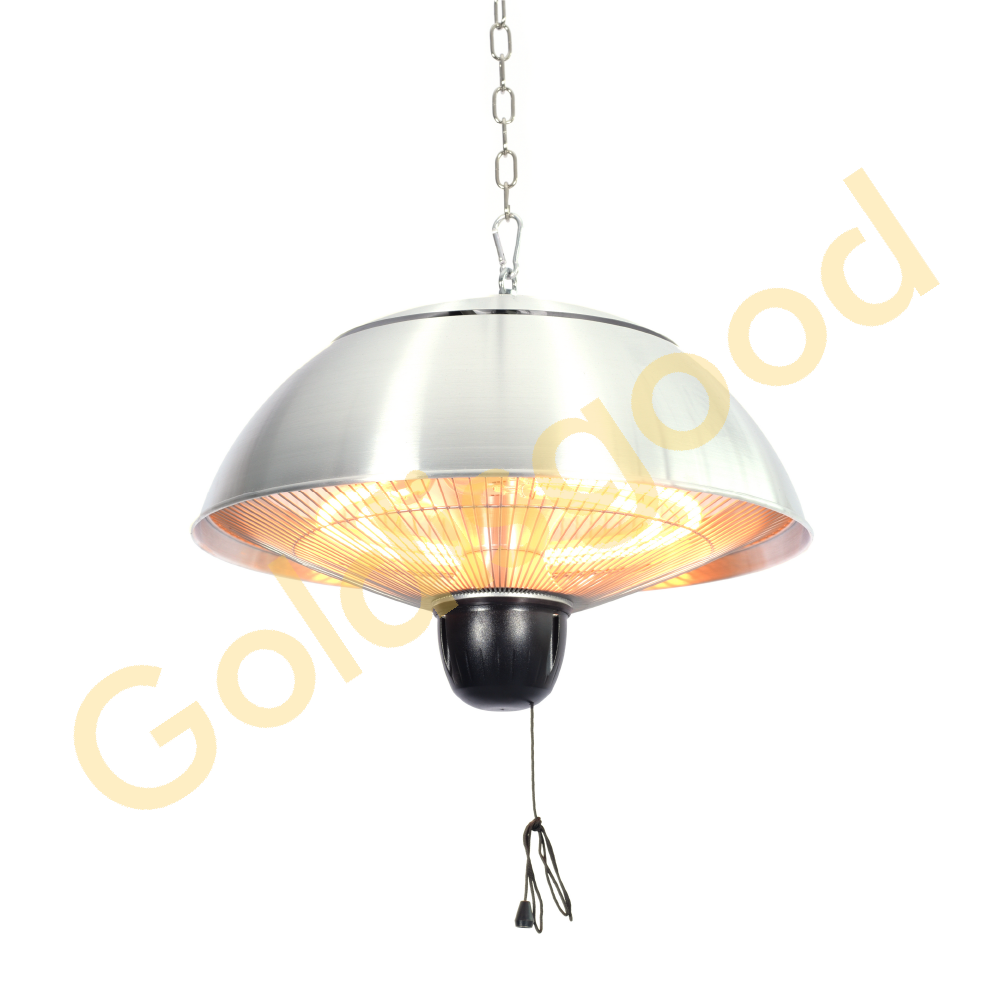
Out on the shop floor, the tolerance that counts isn’t the one on the drawing—it’s the one you feel the instant the heat hits. We started this infrared heater program with a stubborn target: hold the gold-coated layer thickness to within 0.1mm. And here’s why it matters—radiant output and long-term efficiency live in that narrow band. When the coating stays consistent, the heating element behaves the way it was designed: steady, predictable, and far less wasteful.
What Actually Matters Under the Hood
We pair a quartz tube with a tightly controlled gold coating so the infrared warmth goes straight to people and objects, not the air around them. You feel comfort faster, and you lose less heat to drafts. The energy stays focused where it’s needed, which helps keep operating cost down compared with approaches that heat air that then drifts away. In practice, you get quick response, even warmth spread, and performance that holds up through repeated on/off cycles.
Why This Setup Earns Its Keep
On jobs where comfort has to be dependable—outdoor seating, workshops, transition areas—consistency is the real payoff. Tighter coating control cuts down on hot/cold spots and keeps output steady over time, so you aren’t throwing energy at uneven temperature swings. The result is a cleaner kind of comfort: warmth you feel almost immediately, comfort that lasts longer, and none of that “heat disappears the second the wind shifts” feeling.
The Field Notes You Can Rely On
Infrared heaters do their best work when they have a clear line of sight to the seating area. They aren’t meant to replace whole-room forced-air heating when it’s seriously cold, and output drops as distance increases. Plan for a dedicated 120V outlet (or whatever circuit your model needs), and keep the heater out of direct rain unless the unit is rated for it. Keep it well away from combustibles, and treat the included tilt-over safety switch as a real safeguard—not a workaround.