
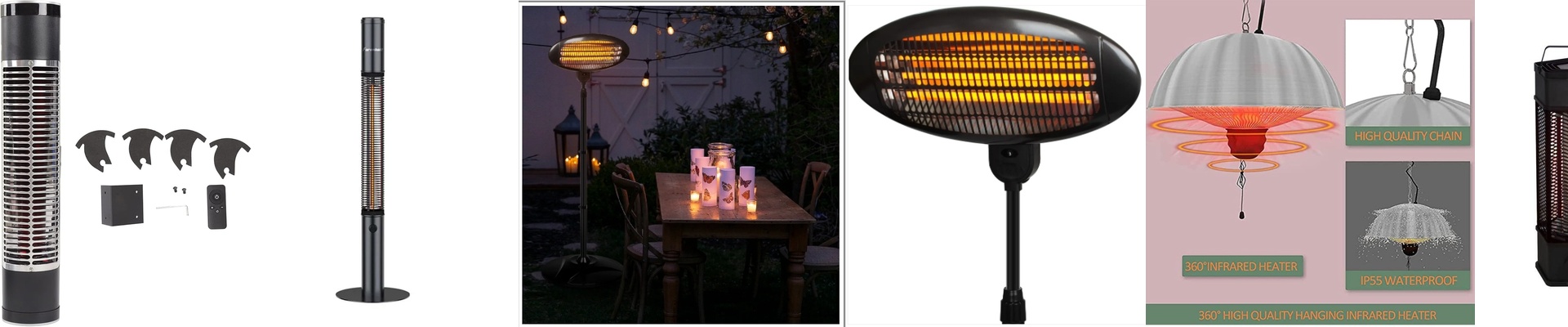
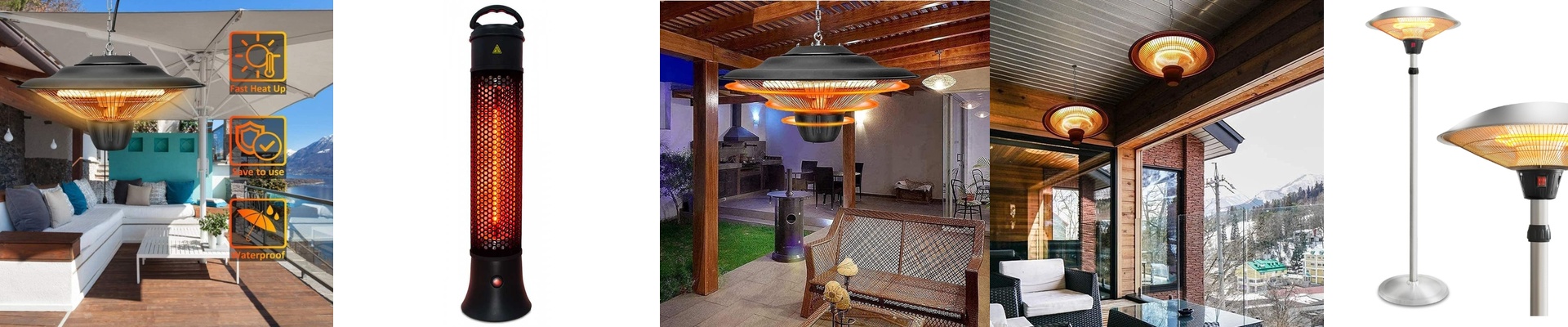

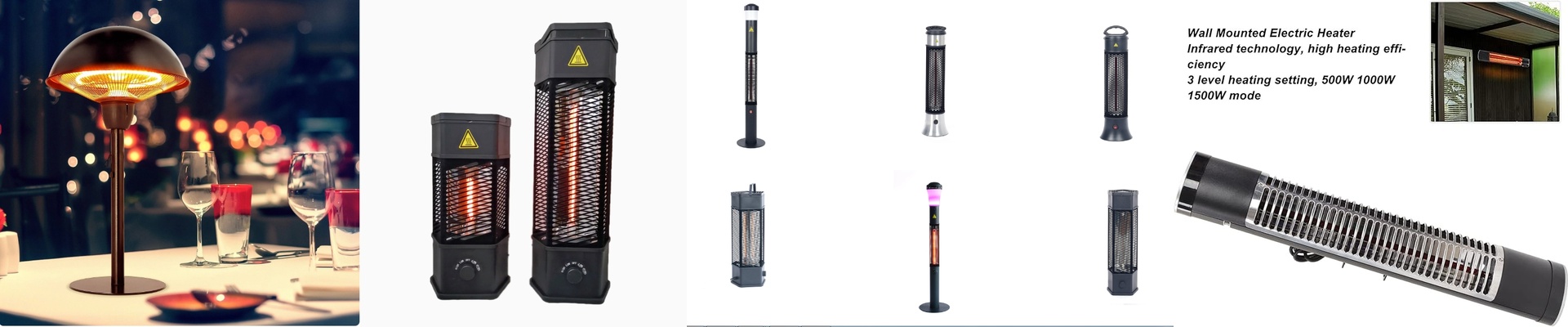
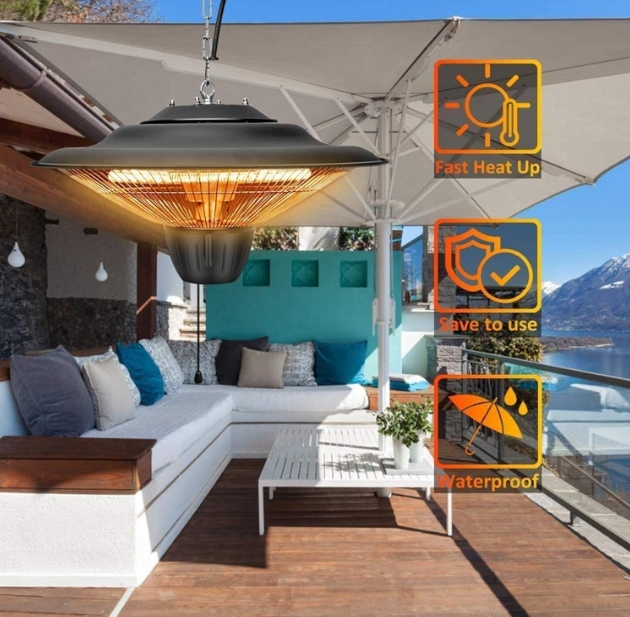
On a job site, cold hands and stiff joints are more than uncomfortable—they slow the whole job down. When the temperature drops, electric oil-filled heaters do their best, pushing heat into the air that rises and disappears. Meanwhile, the people who need it most are still cold, and the power meter keeps climbing. Infrared construction site heaters take a different, more practical approach. What actually matters, technically Infrared heaters deliver radiant warmth, just like the sun—heating people and objects directly, not the air around them. In our units, carbon fiber elements and quartz tubes put out short-wave and medium-wave infrared that penetrates clothing and warms the body. You feel it within seconds, not minutes. Many run on standard 120V or 240V, pull 1.5–3 kW, and can be paired with a thermostat for steady comfort. On the safety side, you get tip-over protection and an IP rating that holds up against dust and splashes. Why it works out there Because the heat goes where you need it, infrared heaters deliver the same perceived comfort at lower air temperatures. In real-world use, infrared hits the same body-level warmth while using 30–50% less electricity than electric oil-filled radiators. That means lower demand charges, fewer circuit overloads, and fewer extension cords. Workers stay limber, focus stays steady, and breaks stay short. The result is faster cycles, fewer mistakes, and energy spend that’s easier to live with. The details that make the difference Infrared heat is directional, so placement matters. Mount or aim units to cover work zones and pathways, not just empty space. Keep combustibles at a safe distance and use the included hardware for solid mounting. For large, open areas, plan on multiple heaters to avoid shadows and cold spots. In very windy conditions, add wind shielding to keep comfort consistent. Size the heaters to the task, and you get dependable warmth that keeps the workday moving—without the bills spiraling.