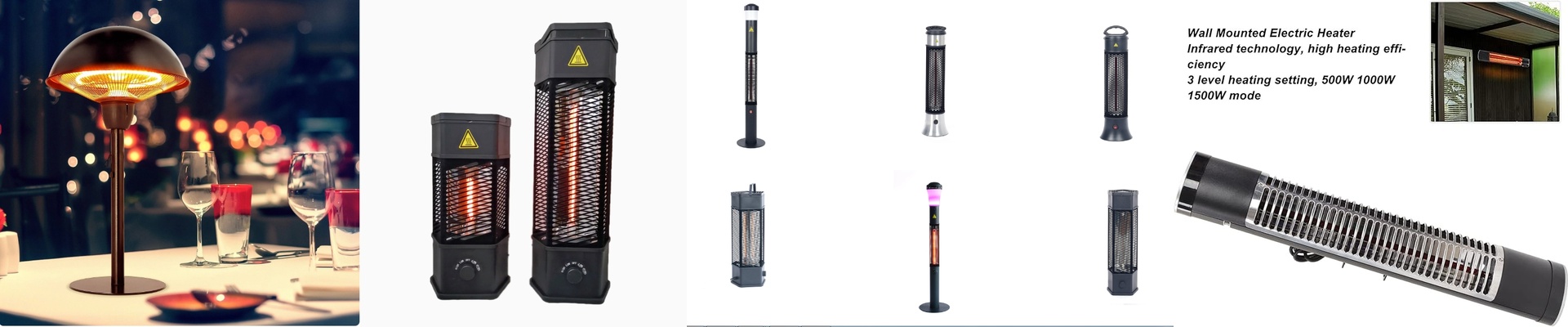
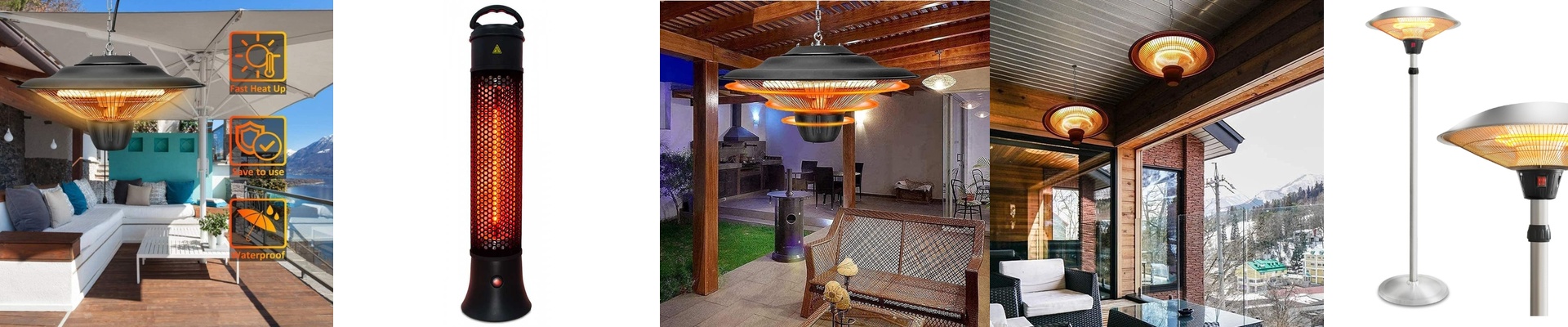
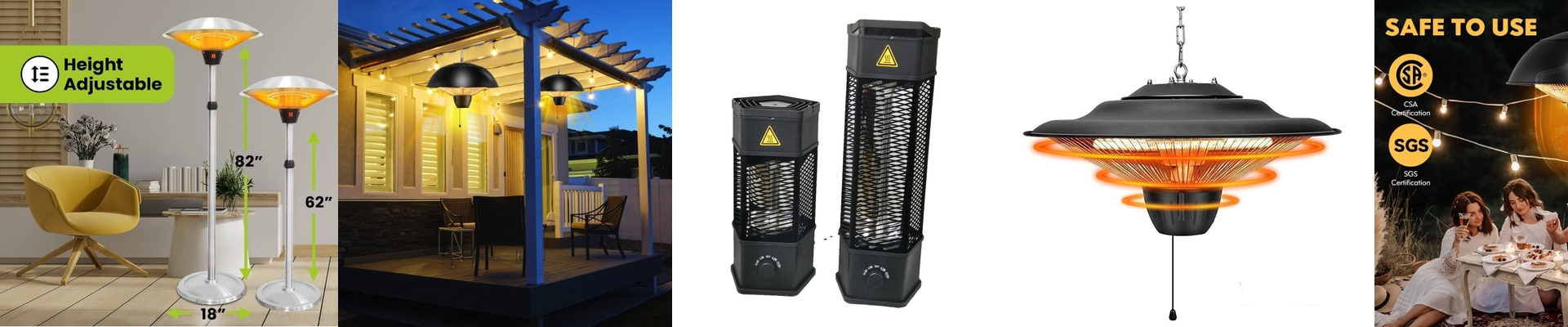

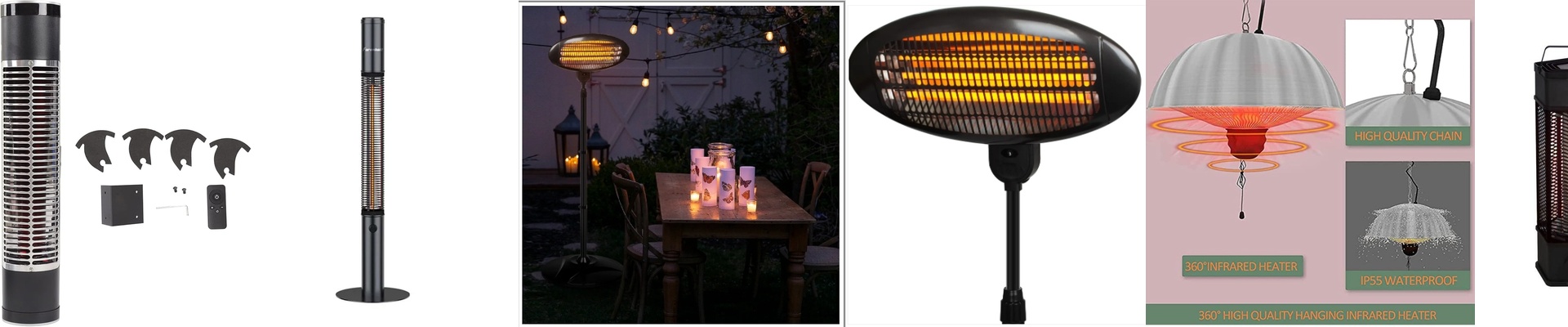
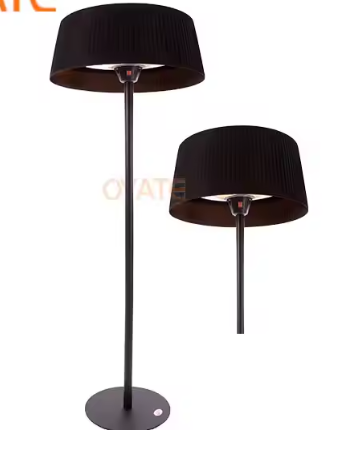
When the first cold snap hits, warmth isn’t a luxury—it’s what keeps everyone comfortable and actually able to enjoy the space. Infrared heaters deliver that warmth straight where you need it, turning drafty patios and chilly rooms into places people want to gather. But comfort only counts if the heater is trustworthy. That’s where overheat protection earns its keep.
What matters under the hood
Infrared warmth works the way the sun does—heating people and objects directly, not just the air around them. Inside, a quartz tube or carbon fiber element comes up to temperature fast and radiates steady heat. A built-in thermostat keeps output consistent, while an overheat protection sensor watches the internal temperature. If the unit climbs past a safe threshold, power cuts automatically to prevent damage. Tip-over protection adds another safety layer, shutting the heater off if it gets knocked over. Match the unit to your space: 1200–1500W for living areas, 1500–2000W for larger outdoor rooms. Stick with a standard 120V plug, and for damp or covered outdoor spots, look for an IP rating that fits the conditions.
Why this approach fits real life
Infrared heat is immediate. The moment you switch it on, you feel it—no waiting around for the room to warm up. That matters on winter mornings and cool evenings when you need comfort now. Because it warms people directly, the heater can run quietly without pushing air around, which helps cut down drafts and keeps indoor air from feeling overly dry. For families, that translates to cozy dinners, bedtime stories by the fireplace, and time outside on the patio without the bite of cold air. And with overheat protection, you get peace of mind—especially in homes with kids or pets—so the warmth stays dependable.
The practical details that make it work
Infrared heaters perform best when they have a clear line of sight to where you actually sit, ideally 6–10 feet away for even, comfortable coverage. Keep the unit on a stable, level surface and clear of curtains, furniture, and bedding. For outdoor use, pick an IP-rated model and plug it into a grounded outlet on a dedicated circuit. Avoid extension cords when you can; if you have to use one, go with a heavy-duty cord rated for the heater’s current. **Infrared warms what it can see.**Open spaces and wind will cut into comfort, so plan for a sheltered spot to get the most out of the heat.