


Introduction
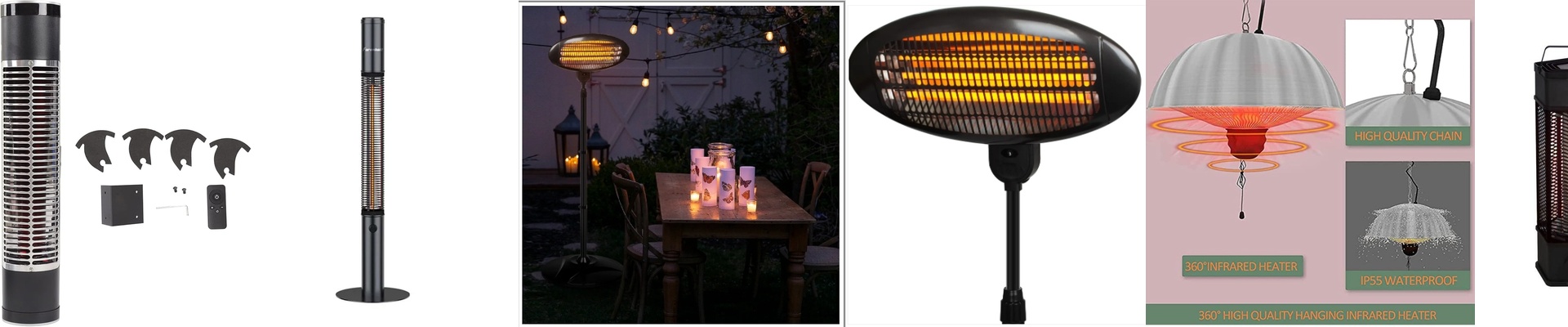
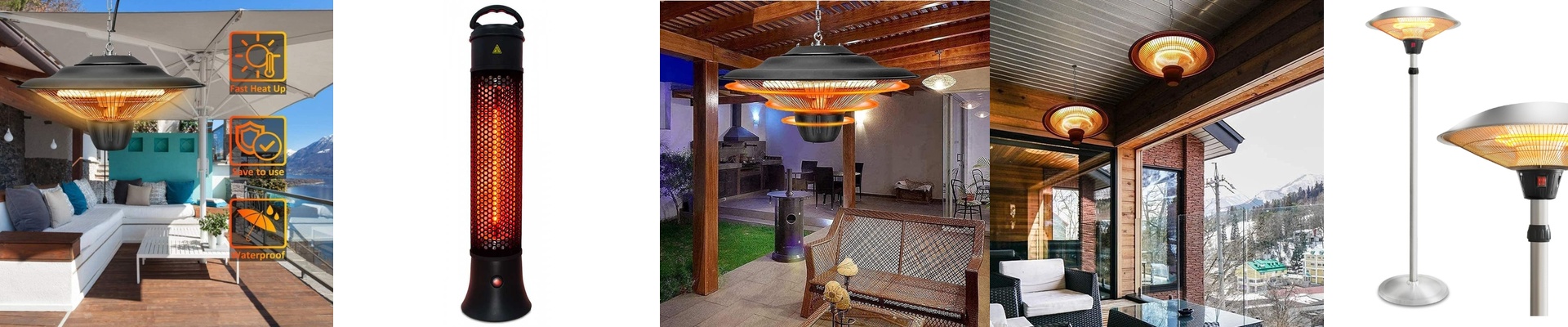
Here’s what’s happening in bathroom heating: high-grade, waterproof infrared heaters are quietly taking over from the old lamp-style ones. And honestly, it’s not about looks. It’s about real, job-site-tested specs—things like IP ratings, heat density, and knowing the installation will hold up. These units are built to be a direct upgrade for modern bathrooms, where keeping moisture in check, getting heat fast, and covering the space evenly are non-negotiable.
The Power, Voltage, and Size Breakdown
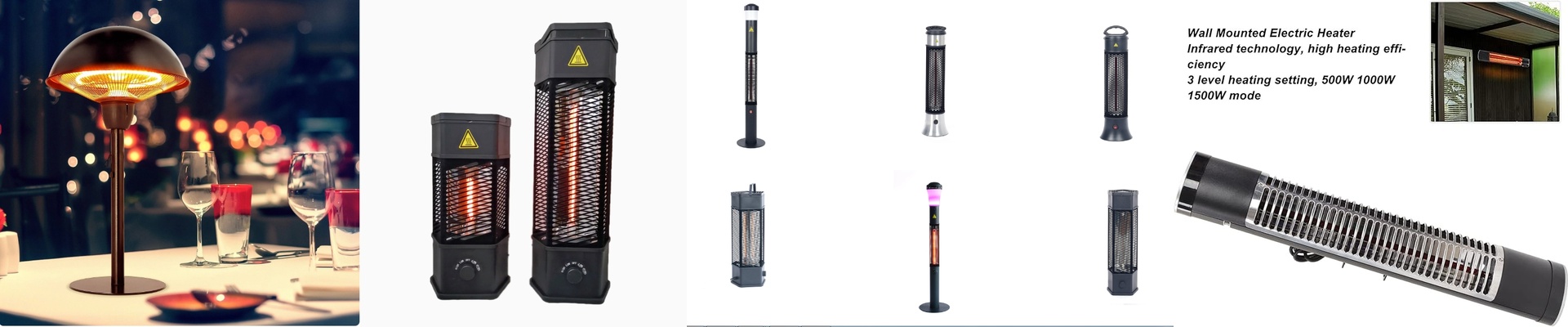
Sizing an infrared heater comes down to the room’s shape and how quickly air moves through it. Most run on 220–240V or 380–400V, cranking out 1500W to 2500W in a compact tube—often just 300–600mm long. That wattage packed into a small space means you get radiant heat instantly. You feel the warmth right away, without waiting for the whole room to heat up. But there’s a trade-off. More wattage in a short tube means hotter surfaces and more heat buildup around the unit. So your wiring, thermal protection, and ventilation need to be properly matched. If the circuit is barely enough, the heater will still turn on, but over time you’ll push the terminal block and insulation—and that’s when reliability starts to slip.
Materials and Design: What’s Inside Counts
These heaters use quartz envelopes, not regular glass. Quartz handles sudden temperature shifts and stays solid through constant on-off cycling. Inside, halogen elements help keep temperature and heat output steady over the life of the unit. A serious waterproof rating means sealed joints, gasketed termination boxes, and solid internal standoffs. The coating isn’t just for looks—it’s protection against moisture and the corrosive bathroom air. And the R7s connector? It’s the anchor point. It locks in place and keeps contact aligned, so wiring is quick and stays tight—even when the unit vibrates during operation.
Retrofit Reliability for Bathroom Upgrades
When you’re renovating a bathroom, you need a solution that drops right in—using the existing junction boxes and mounting footprints. Infrared heaters deliver heat where you need it, warming people and surfaces directly. That eases the load on the main HVAC and helps keep the mirror clearer when things get steamy. Compared to traditional lamp heaters, the sealed infrared design cuts down on moisture-related failures. No exposed filaments. No reflectors that degrade. You get performance you can count on, easier waterproof compliance, and fewer callbacks after the job is done. The main thing to keep in mind is thermal management: match the heater’s output to the room size, and make sure nearby materials can handle the heat density.