

Introduction
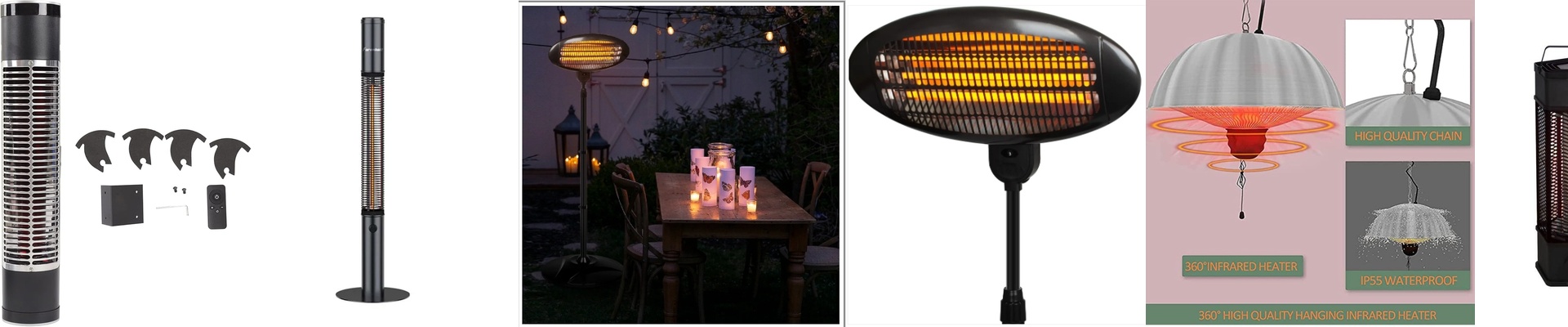
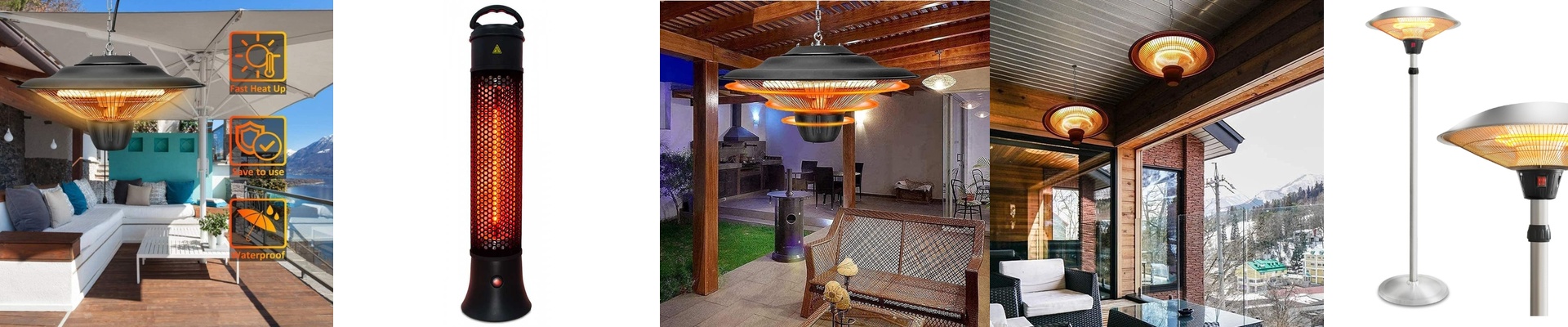
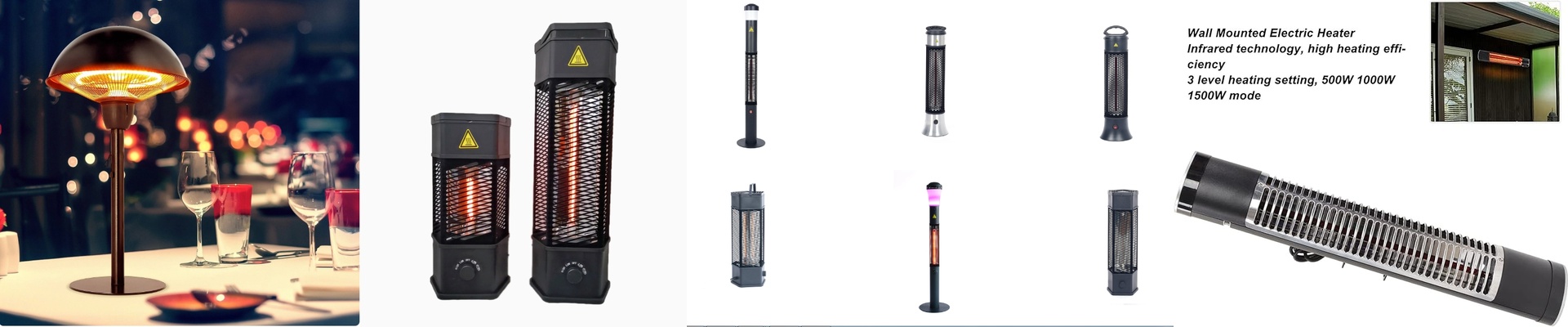
We built this wall-mount infrared heater for one reason: to give you warmth that actually sticks around in wet, humid spaces. Think bathrooms. Think yoga studios. Places where regular heaters just throw heat into the air and give up when the moisture shows up. This one is different. It warms what it touches—walls, floors, you—so you feel the heat fast, and the space dries out at the same time. No bulky HVAC. Just warm, dry comfort.
How It Works (Without the Tech-Speak)
Here’s the thing about infrared: it doesn’t waste time heating the air. It sends warmth directly to surfaces, like sunlight warming your skin. We tuned the heater to run on standard household power and put out short-wave infrared. That means the heat cuts right through thin films of water on walls and floors, helping them evaporate quickly. Less surface moisture? Fewer places for mold to take hold. It’s fast. Really fast. And that changes how quickly a damp room starts to feel fresh again.
The Pieces That Make It Tough
Inside, you’ve got a quartz tube holding a halogen filament. Quartz handles sudden temperature shifts without cracking, and it stays steady even when the air is soaking wet. The halogen gas inside protects the filament, so the heat stays consistent and the heater lasts. We use R7s base connectors because they’re simple to wire, stay secure, and can handle the heat day after day. And the wall bracket? It’s built to hold steady, even in places that get a little shaky.
What It Feels Like in Real Life
In a bathroom, you get that instant, targeted warmth on cold tiles. No more stepping onto an icy floor. Condensation stops building up on mirrors and walls. In a yoga studio, the heat lands where you need it—on the mat, on the body—without turning the whole room into a sauna. And because it helps drive off the thin water films that mold loves, it quietly does the work of keeping the space cleaner. The unit is compact, and the mount is straightforward to install into existing electrical boxes. Just keep in mind: it runs hot. So you’ll want to make sure nearby materials can take the heat and that your circuit has the capacity to handle the load. It’s a simple swap for localized warmth—designed to keep surfaces dry and cut down on the hassle that comes with mold.