
Stop Heating the Air: A Smarter Way to Handle Semi-Conductor Heat
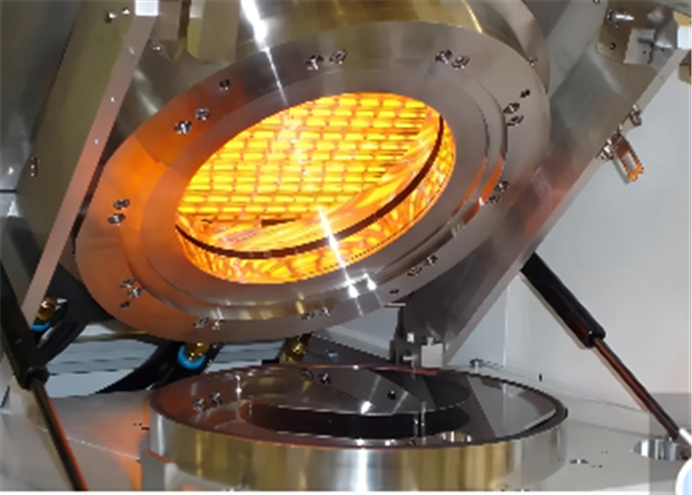
Let’s be honest about traditional convection ovens. They’re basically giant boxes that waste a ton of energy just to get the air hot before the wafer even feels a thing. It’s inefficient. That’s why we’ve moved toward IR bench lamps. Instead of heating the whole room, we point the heat exactly where it needs to go: the wafer. It’s a simple switch, but it’s a huge win for anyone trying to actually hit those “Green Factory” goals without making life harder for the engineers. The magic of radiant heat Here is the thing about IR lamps—they don’t need air to move heat. They use electromagnetic waves. In plain English? The heat is nearly instant. When you set this up on a clean room bench, you’re focusing all that energy on the workpiece itself. You stop paying to heat the empty space around it. By cutting down that thermal mass, your kWh per wafer drops significantly. It’s just leaner. Keeping it clean In a fab, a single speck of dust is a disaster. We get that. To keep things pristine, we use high-purity quartz envelopes. No outgassing, no shedding particles. We also keep the footprint small so they fit into your existing tight spaces. Most of the time, we go with short-wave emitters. They punch through the material faster and deeper, which keeps the line moving. The catch (because there’s always one) Now, these high-wattage arrays pack a punch. That’s great for your throughput, but it does create a bit of a headache for your cooling system. If you cram too many lamps into one small bench, your clean room is going to start feeling like a sauna. You’ll need to make sure your HVAC or liquid-cooled heat sinks can actually handle the waste heat coming off the housings. Don’t skip this part, or your team will be miserable. The bottom line on carbon Switching to IR just makes sense. You’re cutting the energy overhead of your curing and baking processes, which means a smaller carbon footprint for every single unit that rolls off the line. Old-school resistive heaters just can’t keep up. They’re too slow and too blunt. Radiant heat gives you the precision you actually need, while using a lot less power to get there.