
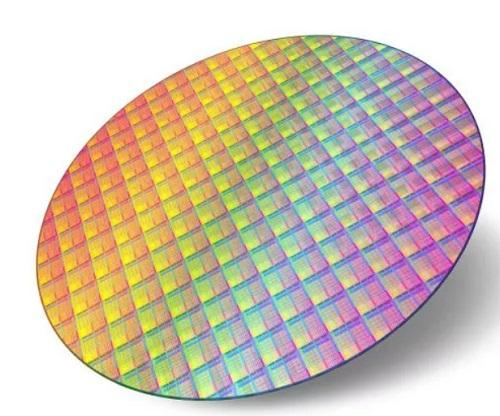
On the fab floor, thermal drift during photoresist bake or an epitaxy ramp isn’t just a throughput hit. It scraps yield. You need heat that lands exactly where the process card calls for it—cycle after cycle.
What Matters Technically
Our epitaxy heating infrared lamps put out fast, directional energy with tight control. Short-wave infrared couples efficiently into thin films and the wafer surface, so you get sub-second response and a quick cooldown. Across the illuminated zone, wafer-level temperature uniformity holds within ±0.1°C, and repeatability stays within a few degrees over thousands of cycles. The lamp body is cleanroom-ready for Class 1–100 environments, built with low-outgassing materials and a design that doesn’t shed particles. Output stays stable for 5,000+ hours with less than 5% drop, so your thermal budget doesn’t drift.
Why It Works Here
The same need shows up again and again—in wafer drying, photoresist soft bake and hard bake, packaging underfill cure, and post-clean drying: predictable heat, delivered fast and clean. These lamps hit setpoint quickly, hold without overshoot, then step off clean. That cuts thermal stress on patterns and films. The payoff shows up as better line-of-sight yield in lithography, less scrap from incomplete cure, and shorter cycle times without slipping spec. Energy use drops too, because you’re delivering energy on-demand with minimal standby loss.
Things to Know
These lamps are compact and high-power, so thermal management at the fixture interface is non-negotiable. Match the lamp envelope and base to the tool footprint, verify optical alignment to the target zone, and make sure the power supply and cooling match the duty cycle. Expect a short warm-up stabilization period after install. Once it settles, the process window opens—and stays open.