
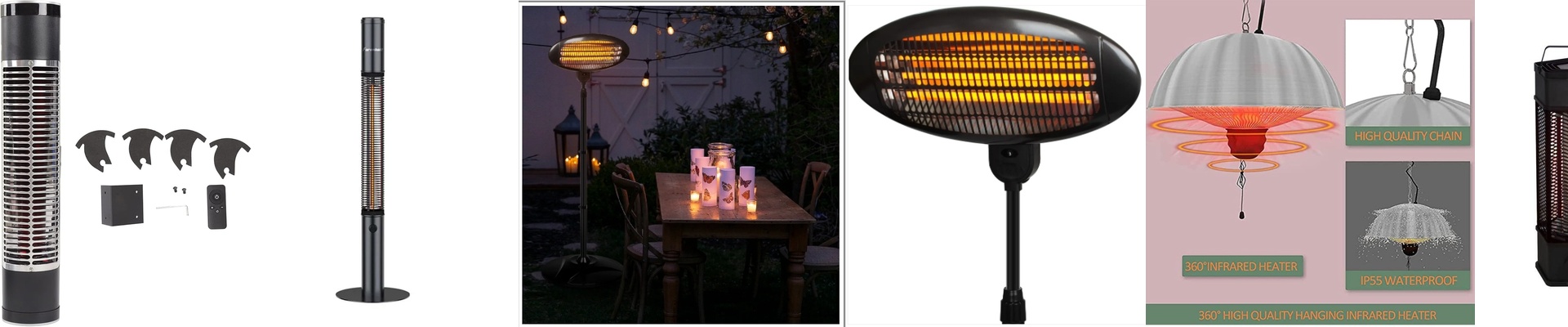

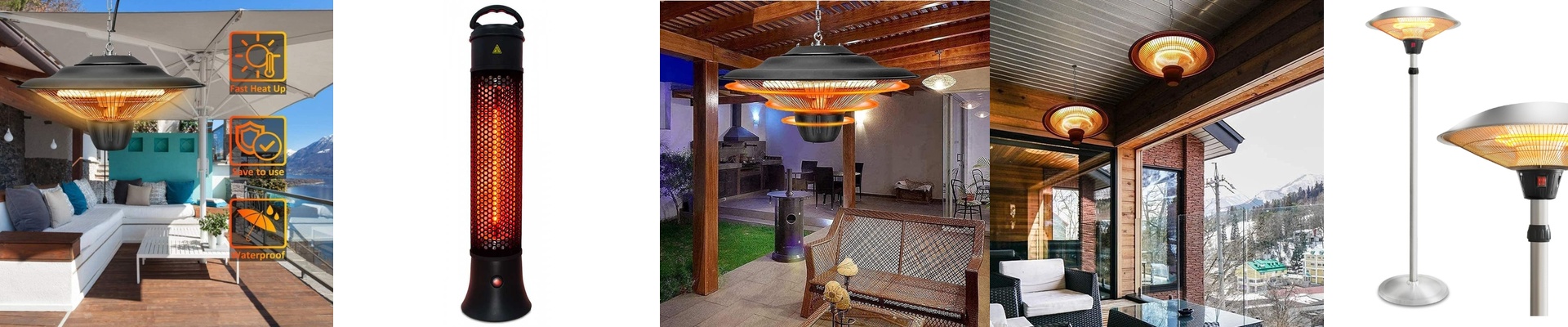
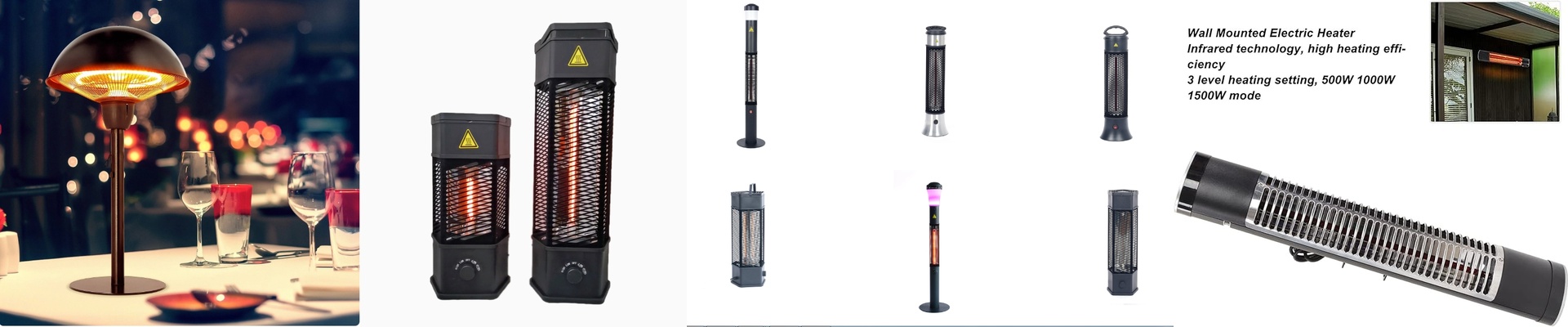
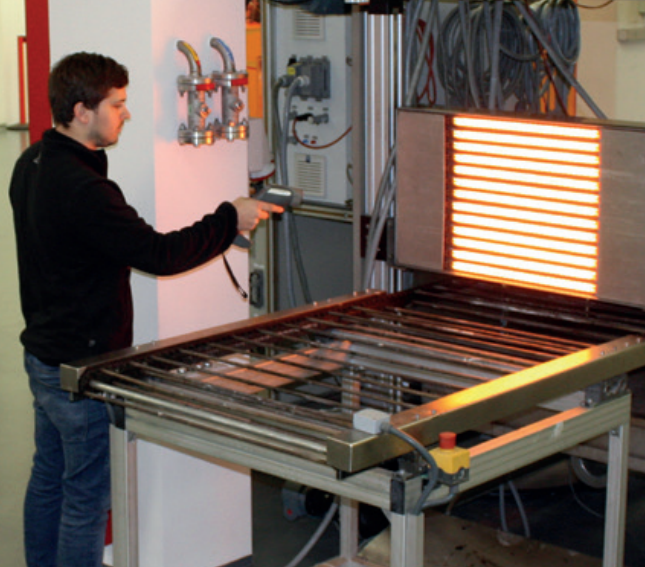
On the wet bench, the rinse step is where yield quietly slips away. A cold spot or uneven temperature during rinse-assisted drying? That’s how you get watermarks, particles that stick, and photoresist stress you can’t control. What you need is heat that’s repeatable, localized, and clean. Infrared Heating Accuracy: Sub-Millimeter Uniformity and Repeatability We run waterproof infrared lamps that put down a stable thermal field with sub-millimeter spatial control, so wafer temperature follows the intended profile run after run. Short-wave infrared heats fast with low thermal mass, which means quick settling and tighter closed-loop control. The numbers back it up: wafer-level uniformity within ±0.1°C, and process-to-process repeatability that holds across lots. Why It Works in the Rinse Station Rinse-phase heating has to be dry, precise, and behave itself in Class 1–100 cleanrooms. The lamp emits zero particles, and the waterproof housing takes high-pressure spray and chemical overspray without losing output stability. You get faster cycle times because the lamp hits setpoint in seconds, and you cut energy use by matching heat to the rinse window—no idling, no overshoot. Fewer reworks, less scrap, and line-of-sight drying that keeps pattern integrity intact. Installation and Operating Notes Mounting tolerances are tight. Keep the beam aligned to the wafer plane within ±0.5 mm if you want to hold uniformity. The lamp is built for deionized water and standard rinse chemistries, but chloride-rich or highly aggressive solutions need a deeper materials review. Schedule routine calibration checks on intensity and temperature feedback; even with stable emitters, sensor-path drift will show up as repeatability loss over time.