

Getting Your Wafer Curing Right: It’s All About the Bounce
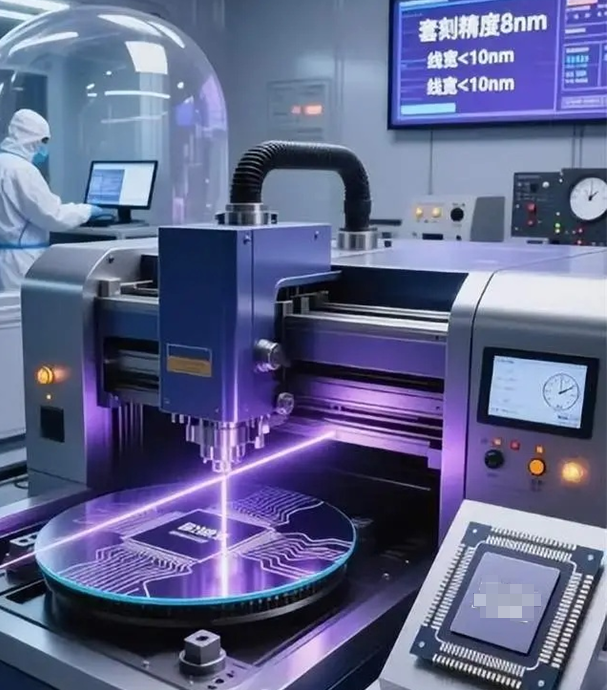
When you’re curing wafers, you aren’t just “heating things up.” You’re actually managing a flow of photons. Here is the problem: when you fire up a high-wattage curing lamp, a ton of that infrared energy just shoots backward, away from your substrate. If you don’t have a solid reflector in place, all that energy just vanishes into the air. It turns your workspace into an oven, makes your cooling systems scream, and jacks up your electric bill. It’s a waste. Why we stick with gold You might wonder why we use gold-coated reflectors instead of something cheaper like aluminum. It comes down to the physics of the light. Gold is just better at bouncing back those specific long-wave and mid-wave infrared rays. Aluminum absorbs too much. Gold doesn’t. It makes sure almost every single watt the lamp puts out actually hits the target. But the coating is only half the battle. We spend a lot of time on the curve of the reflector. If you get the geometry right, you can take a messy, spreading light source and turn it into a tight, directional beam. You get way more heat on the wafer without having to crank the voltage to dangerous levels. The tricky part This is where things usually get messy. Matching the reflector to the lamp’s footprint is a tight game. If your focal point is off by even a couple of millimeters, you’ll get hot spots. Those uneven temperature swings can warp a wafer or leave you with a patchy cure. It’s frustrating, and it’s expensive. And a quick heads-up: gold is picky. A little bit of dust or a fingerprint can ruin everything. Oil on the surface causes localized overheating, which can literally burn the coating right off. You’ve got to keep these things in a sealed housing or a clean room if you want them to actually last. What this means for your day When this setup actually works, you feel it. You hit your target temperatures faster. Your cycles get shorter. Plus, because the energy is so focused, you can often turn the wattage down and still get the same heat on the surface. That’s a huge win for your equipment. Your lamp filaments aren’t under as much stress, so they don’t burn out nearly as often. Less downtime. Less waste. Just a process that actually works the way it’s supposed to.