
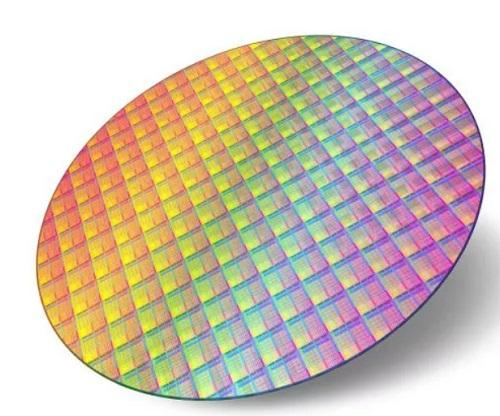
On the fab floor, a 1°C swing in photoresist bake is enough to move linewidths. A non-uniform dry cycle? That’s how you get watermarks that murder yield. We put zoned heating into advanced wafer fabs to kill those drifts where they start. What actually matters, technically We run independent zone control with halogen or NIR, and we hold wafer-level uniformity within ±0.1°C across the process window. The hardware lives in Class 1–100 cleanrooms without adding particles—verified by in-situ monitoring and materials chosen for low outgassing. Repeatability stays locked because closed-loop sensors and recipe control keep the thermal budget consistent—soft bake, hard bake, and curing steps land the same way, shift after shift. Energy use comes down too: zones only heat what needs heating, and ramp profiles repeat without overshoot. Why it plays where it counts In lithography, zoned heating keeps photoresist bake temperature tight, so viscosity and coating profiles stay stable and CD control doesn’t wander. For wafer cleaning and drying, independent hot/cool zone control wipes out edge beads and watermarks. You get faster drying without thermal shock. In packaging, it gives fast, uniform curing for underfill and encapsulants—cycle time drops, and you still hold adhesion and void control. The outcome is fewer scrap lots, stable SPC, and throughput you can plan around. What you need to know up front Retrofitting zoned heating into existing tracks means matching chamber geometry, quartz fixtures, and exhaust compatibility. Budget a short integration window and a calibration run. You’ll trade a little floor space for the extra zone controllers and sensors. The return is cleaner thermal control across the line and more uptime you can count on.