
Stop Fighting Your Cleanroom Heat
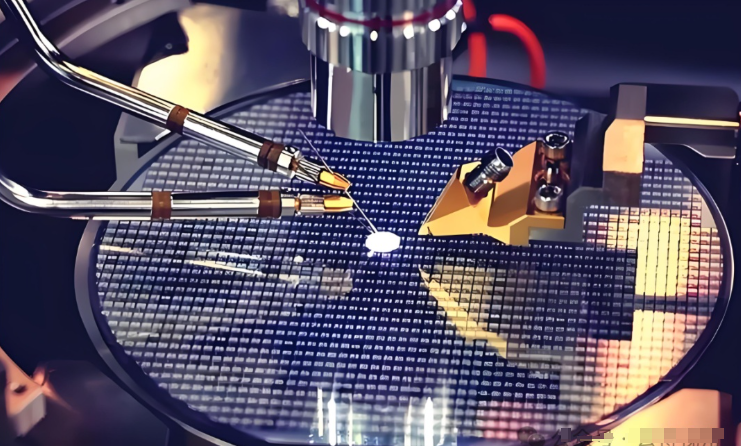
If you’re building a Smart Fab for Industry 4.0, you’ve probably realized that heat is a nightmare to manage. The old-school convection ovens are a pain. They push way too much air around, which kicks up particles and drags out your cycle times. We switched to infrared (IR) because it skips the air entirely. It uses radiation to move energy. The result? Your cleanroom stays quiet and stable, and your heat-up times get cut in half. It’s a massive relief. Getting the data you actually need Digital production is only as good as your telemetry. The great thing about IR heaters is that they’re basically instant. You flip a switch, and they’re on. When you hook these up to a PLC with PID controllers, you get thermal mapping that actually feels real-time. You aren’t waiting for a giant mass of air to warm up; your sensors pick up changes in milliseconds. That’s the only way to make digital twins and automated loops work in the real world, not just on a whiteboard. Saving space without losing power Floor space in a cleanroom is expensive. We design these systems to pack as much heat as possible into every square inch. By focusing on specific wavelengths, we can shrink the oven size. You get more parts moving through the same footprint. Just a heads-up: these high-wattage arrays put out a lot of intensity. You’ll want to double-check your power distribution and cooling manifolds. If your cabinet ventilation is weak, you’ll start seeing heat creep, and your surrounding sensors will start acting up. Making it work in a clean environment We made sure our IR emitters don’t outgas or shed particles. Since there are no forced-air blowers, you have fewer mechanical parts to break and zero turbulence. It’s a straight shot from the heater to your wafer. If you’re still using those legacy thermal soak ovens that never seem to heat evenly, this is the way out. Plus, if you’re moving toward full automation, IR is the only way to get the response speeds your robots need to keep up.