
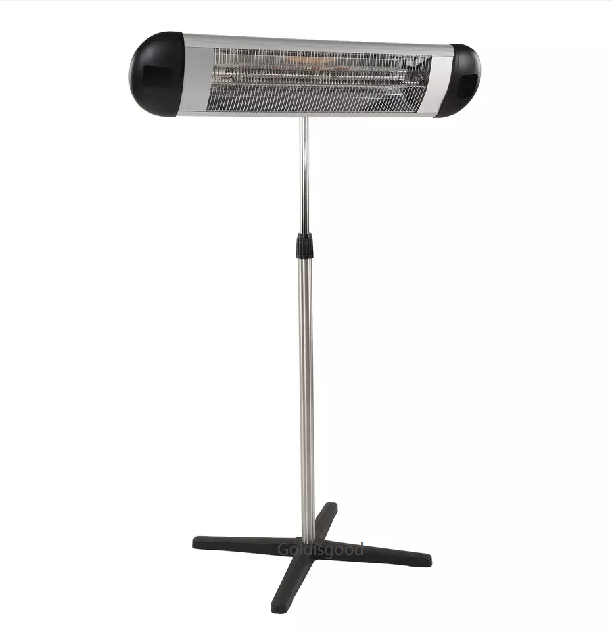
Why We Use Explosion-Proof Quartz in Bathroom Heaters
Let’s be honest: bathrooms are a nightmare for electronics. You’ve got steam everywhere, wild temperature swings, and water splashing just about every single surface. When you’re building something like a mirror defogger or a bathroom heater, you can’t just use any old glass. It’s too risky. That’s why we stick with explosion-proof quartz. The “Cold Drop” Problem Imagine a heating lamp glowing at several hundred degrees. Now imagine a single, cold droplet of water hitting that surface. In the world of physics, that’s a recipe for disaster. Standard glass would likely crack instantly from the shock. We use specialized quartz because it can handle those sudden temperature jumps without flinching. But here’s the real peace of mind: if a tube does happen to burn out or fail, the explosion-proof layering keeps the glass from shattering into a million tiny shards. It stays contained. You stay safe. Getting the Heat Where It Belongs These lamps work by sending out short-wave infrared radiation. The quartz basically acts as a clear window, letting the heat pass straight through to the mirror or the person standing in front of it, rather than soaking up the energy itself. One thing to keep in mind, though. This safer quartz expands and contracts a bit differently than the cheap stuff. If you clamp the tube too tightly into the housing, you’re basically asking for a mechanical failure. You’ve got to give the lamp a little room to breathe as it heats up. A Few Tips for Setup When you’re wiring these into a bathroom circuit, don’t cut corners. Stick to the IP ratings. I always suggest high-temperature silicone wiring—it stops the insulation from melting when things get hot near the ends of the lamp. If you’re swapping out old resistive wires for a quartz heater, you’ll notice it heats up way faster. It’s a huge improvement. Just keep an eye on your mirror backing. If the wattage is too high for the thickness of the glass, you might actually crack the mirror itself. Balance is everything here.