
Stop Waiting on Your Heaters: Why IR Beats Hot Air
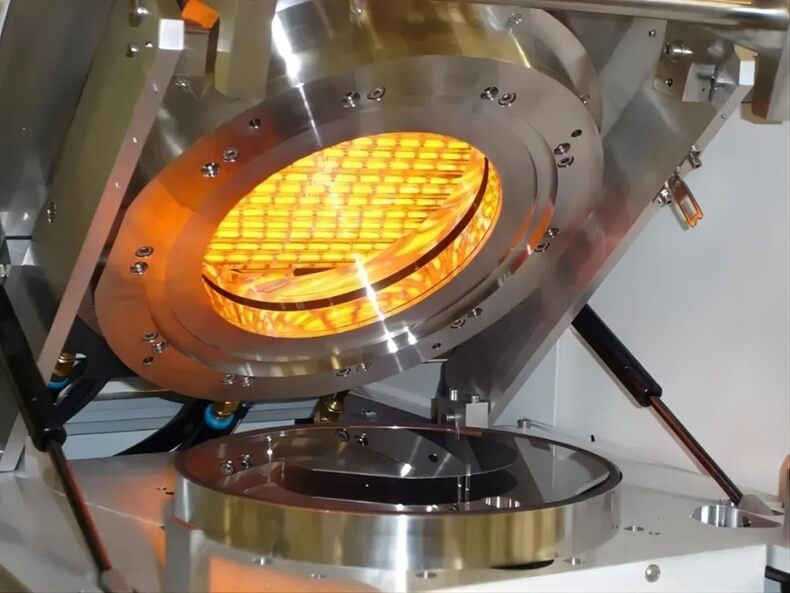
I still see way too many semiconductor lines relying on hot air circulation. It’s the old way of doing things, and honestly, it’s a drag. The real killer here is the wait. Air is just terrible at moving heat. You end up spending minutes just sitting there, waiting for the substrate to hit the right temperature because you’re basically trying to heat up the entire room before the part even feels a thing. It’s a waste of time. The shortcut to speed Infrared (IR) heating flips the script. Instead of messing around with the air, IR emitters beam energy straight into the material. It’s like the difference between waiting for a room to warm up and stepping into a beam of sunlight. You go from waiting minutes to waiting seconds. When you’re running high-volume batches, that’s a massive win. You aren’t just cutting the power bill—you’re actually getting your floor time back. Don’t let your wires melt Here’s the catch: IR heaters get incredibly hot, and they do it in a very concentrated way. If you use standard PVC or silicone wiring, you’re asking for trouble. They’ll melt or start off-gassing, which is the last thing you want in a cleanroom. That’s why we stick with Teflon (PTFE) coated wiring. It takes the heat without breaking a sweat, and it doesn’t care about the harsh chemical vapors you find during etching or deposition. It just works. The trade-offs Now, IR isn’t some magic wand. You can’t just swap a heater and call it a day. Since IR works on a line-of-sight basis, you have to be smart about where you put your lamps. If you’re off by a bit, you’ll end up with cold spots on your wafer. And because the heat hits so fast, you run the risk of thermal shock if you’re too aggressive with the ramp-up. You’ll want a solid PID controller to keep things from overshooting the mark. If you’re planning a new line, IR is the way to go. It kills the bottleneck of thermal lag. Just make sure you wire it with PTFE so you aren’t dealing with burnt-out cables six months down the road.