


Don’t Let Your Drying Process Become a Liability
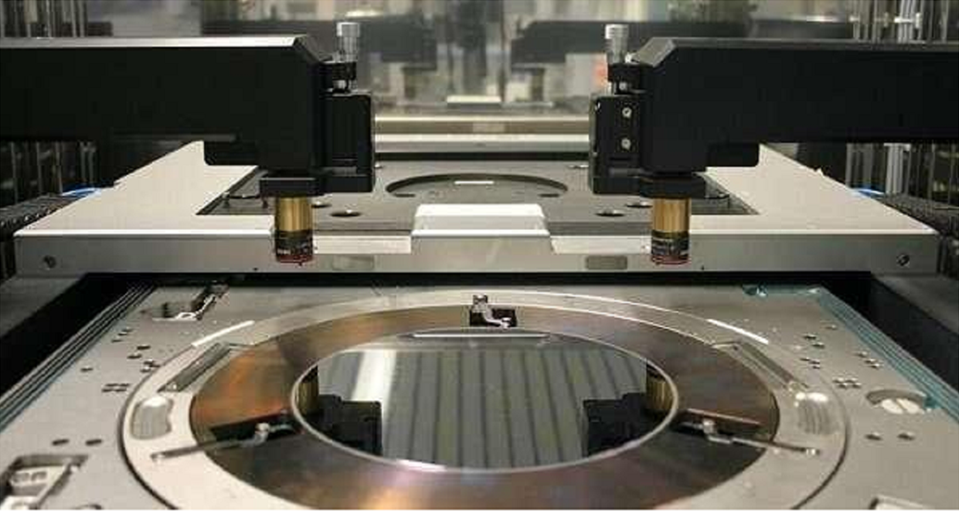
When you’re drying MEMS sensor wafers after a chemical clean, you’re playing a dangerous game. You’ve got heating elements sitting right in the middle of flammable, explosive vapors. Standard infrared lamps? Forget about them. One tiny spark or a hairline crack in the housing and you’re looking at a disaster. That’s why we build our IR lamps with a specific kind of encapsulation. We basically wall off the electrical guts from the chemicals so you can actually sleep at night.
The Nitty-Gritty on Seals and Materials
We start with high-purity quartz glass for the envelope. It’s tough. It can handle the shock of heating up and cooling down rapidly without snapping. But the real magic is at the electrode interface. We use a specialized hermetic glass-to-metal seal. Why? Because volatile chemicals love to eat through standard seals. This keeps the bad stuff out. Then there’s the wiring. We wrap everything in a fluoropolymer jacket. It’s chemically resistant, meaning those caustic cleaning agents won’t chew through the insulation and cause a short circuit or a ground fault. And we stay away from standard adhesives. Instead, we use mechanical compression and industrial-grade potting compounds to lock everything down tight.
Heat, Speed, and the Trade-offs
To stop chemical spotting on your sensors, you need high-intensity shortwave IR. You need to flash-dry those wafers fast. But here’s the catch: all that power creates a lot of heat at the mounting brackets. You’ve got to get your cooling manifolds right. If the airflow around the housing is weak, the heat soak will eventually kill your seals and shorten the life of the lamp. It’s a balancing act.
Getting It Onto the Shop Floor
We know you don’t have time for a three-hour installation. We designed these for quick swap-outs. The connectors snap in securely and won’t rattle loose, even during heavy cleaning cycles. Just do me a favor: when you’re wiring them up, double-check that the gaskets are seated flush. If that seal is loose, all that fancy encapsulation doesn’t mean a thing. We kept the footprint small, too. They should slide right into your existing drying modules without any fuss.