

Why we switched to IR heating for CNT fabrication
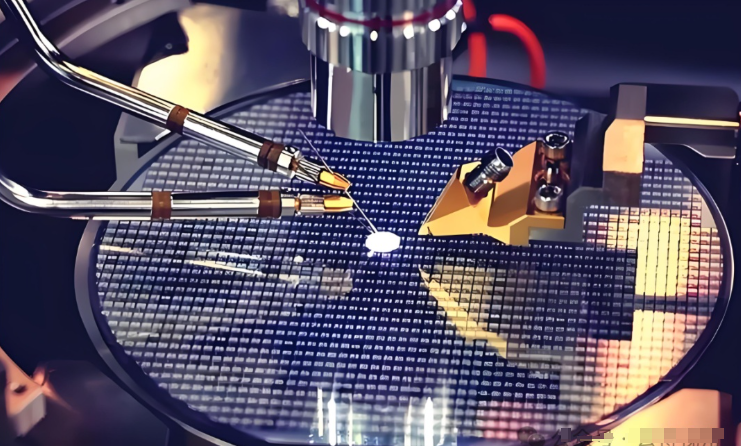
Making carbon nanotubes is all about the heat. Specifically, you need those exact thermal gradients to get chemical vapor deposition (CVD) to actually happen. For a long time, everyone just used resistive furnaces. But here’s the problem: those things heat up everything. The chamber, the air, the walls—everything gets hot. It’s a waste. We started using infrared (IR) heating lamps instead. Why? Because IR doesn’t mess around with the air; it shoots energy straight into the substrate. It’s cleaner, faster, and just makes more sense. Getting the heat where it actually matters In a cleanroom, you don’t want to soak your entire machine in heat. You just want the workpiece to hit peak temperature and stay there. IR lamps give us a massive amount of heat density. By tweaking the wavelength, we can target the specific parts of the substrate that actually absorb the energy. It means you aren’t sitting around waiting for the chamber to warm up. You spend less time idling and more time actually processing. Plus, since you aren’t spending an hour ramping up and cooling down, your electricity bill per wafer actually drops. The nuts and bolts We build these setups using tungsten filaments and high-purity quartz envelopes. For CNT work, we usually go with short-wave IR. It digs deeper into the catalyst layer, which is where the magic happens. We hook these up to precision PID controllers so the temperature doesn’t overshoot. You might be tempted to crank the wattage to speed things up, but be careful. Push it too hard and you’ll fry the filaments or crack the quartz from thermal stress. It’s a balancing act. You have to match your power density with how well your vacuum chamber can handle the cooling. A lighter footprint Everyone talks about “Green Factories,” but for us, it’s not about a buzzword. It’s about the actual footprint of the process. When you stop relying on convection and switch to targeted IR radiation, your facility’s HVAC and cooling water systems don’t have to work nearly as hard. It’s a simple way to cut down the carbon footprint of making semiconductors. You get your wafers through the door faster and save on power. Just one tip: make sure your power supply can handle that initial surge when the lamps first kick in. It’s a bit of a jump.