


Keeping it Clean: The Secret to Hydrogen Sensor Heating
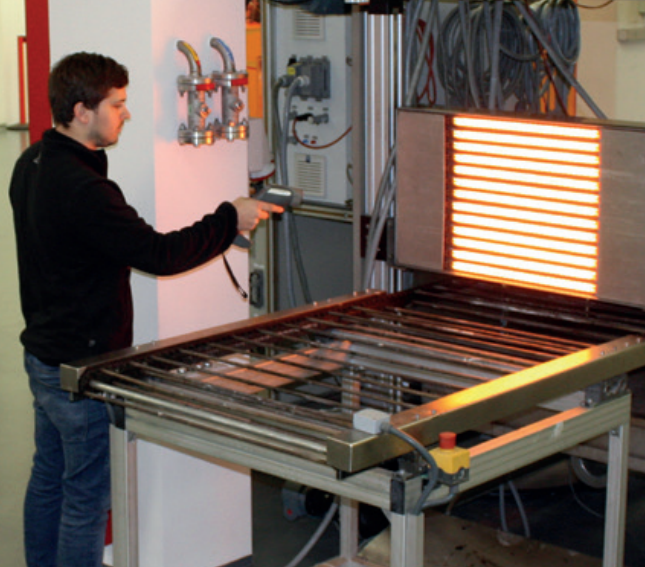
If you’ve ever worked in a Class 100 cleanroom, you know the stress. One tiny speck of dust or a stray chemical cloud can wipe out an entire batch of sensors. It’s a nightmare. The real headache? Most heating elements are dirty. They flake off particles or leak weird fumes the second they heat up. We stopped dealing with that by switching to high-purity quartz IR lamps. The battle against “burn-off” We use synthetic fused silica for the lamp envelopes. Why? Because standard glass just doesn’t cut it. Low-grade materials tend to shed metallic impurities when they get hot. With high-purity quartz, you don’t have to deal with that annoying “burn-off” period where junk flakes off the surface. You just turn it on and go. It’s the only way to keep the air totally clean while you’re curing or depositing materials. Heat without the wind Here’s the cool part: these lamps use short-wave infrared energy. The heat moves via radiation. It doesn’t rely on convection, which means we aren’t blowing air all over the sensor substrate. No moving air means no airborne particles landing on your active sensing area. The energy just hits the target. Fast. The tricky bits Now, it’s not all magic. High-purity quartz is brittle. It handles heat shocks better than glass, but you can’t just clamp it down tight. If your mounting brackets are too snug, the tube will snap as it expands. You have to give the quartz some room to breathe in the housing. We usually set these up inside vacuum chambers or controlled atmosphere boxes. But since the heat is so concentrated, you’ve got to be smart about cooling. Make sure your fans are actually pulling heat away from the lamp ends. If those connectors get too hot, they’ll melt. And if you let the end-caps overheat, your lamp life is going to tank.