
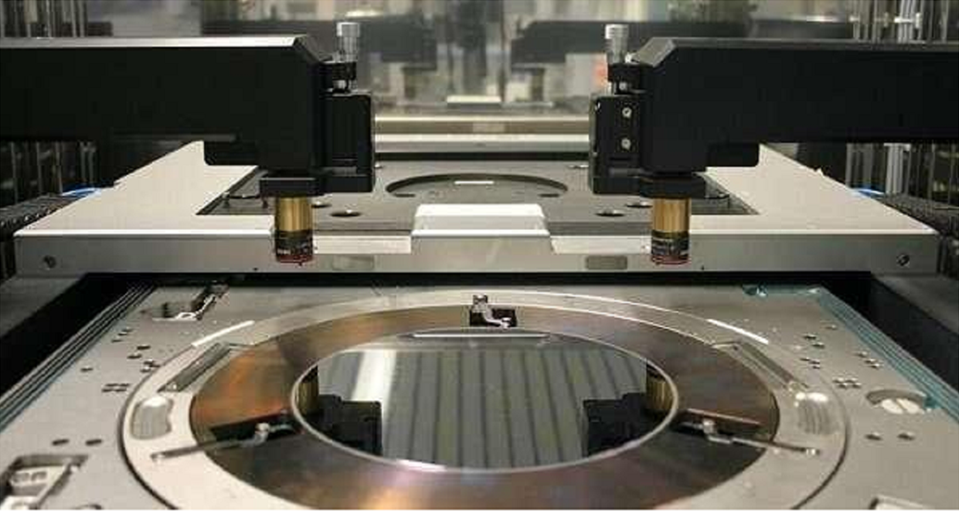
Why we’re ditching the ovens for IR curing
For a long time, drying and curing semiconductors meant sticking them in a massive convection oven. But that’s changing. Most of us are moving toward infrared (IR) systems now. It’s not just about following “green” mandates or lead-free rules—it’s because the old way is honestly kind of wasteful. Here’s the thing: IR doesn’t bother heating up all the air in the room. It just sends energy straight into the substrate. The magic of direct heat Think about a traditional oven. You’re spending an eternity heating up the entire chamber just to get a few wafers warm. It’s a waste of power. With IR lamps, you’re using electromagnetic radiation. It targets the specific coating or adhesive you’re working with. Because of that, you hit your target temperatures in seconds.**Seconds.**Not minutes. It slashes your energy bill and keeps the air clean. No combustion leftovers, no nasty VOCs. It just fits the clean, lead-free vibe that modern fabs need. It’s all in the build Now, you can’t just throw some lamps in a cardboard box and call it a day. If you’re working in a cleanroom, the housing is where the real work happens. We use high-grade stainless steel for the heater housings. They have to be precision-made. Why? Because if the fabrication is sloppy, you’ll get outgassing or tiny particles shedding into your environment. One speck of dust in the wrong place and you’ve just ruined a batch of silicon. For the heat, we usually go with quartz-halogen lamps. They’re intense, they’re small, and they ramp up almost instantly. The tricky part IR is fast, sure. But it can be temperamental. If your reflector geometry is slightly off, you’ll end up with hot spots. You can’t just “slap it together.” You have to spend time tuning the distance and the angle to make sure the heat spreads evenly across the wafer. If you miss the mark, the wafer warps or cures unevenly. It’s a headache. That’s why we lean heavily on precise PID tuning for the control systems. You have to be careful not to overshoot the temperature, or you’ll literally burn your substrate.