
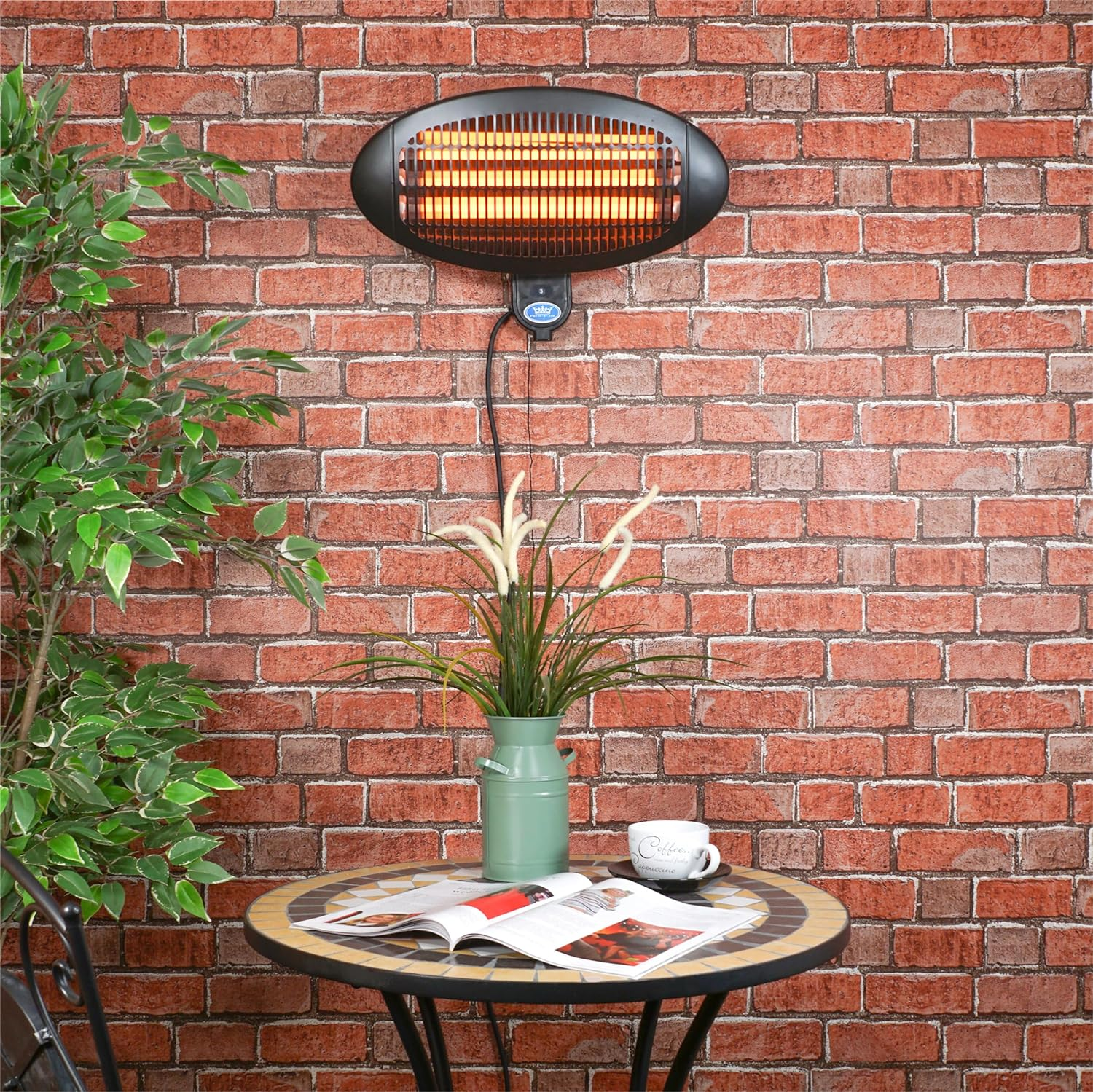
Making Your Outdoor Heat Actually Smart
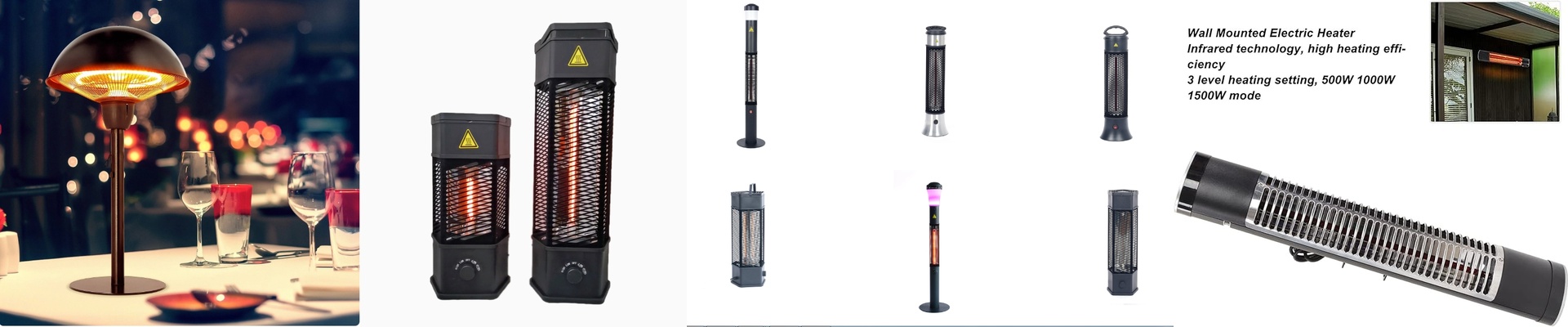
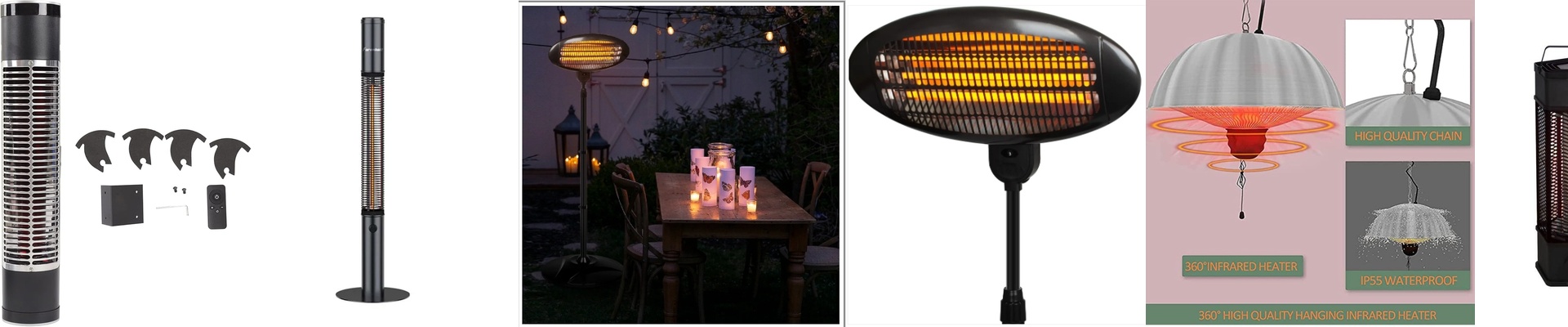
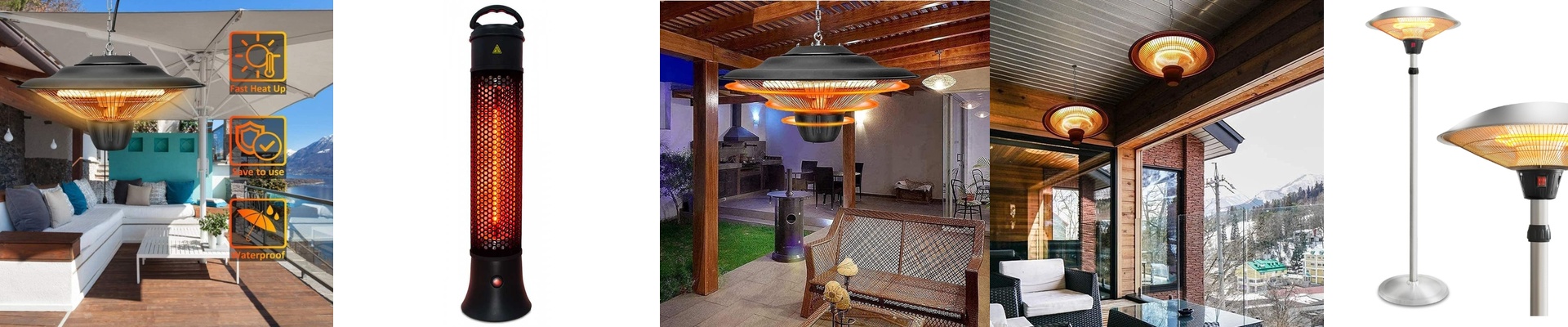
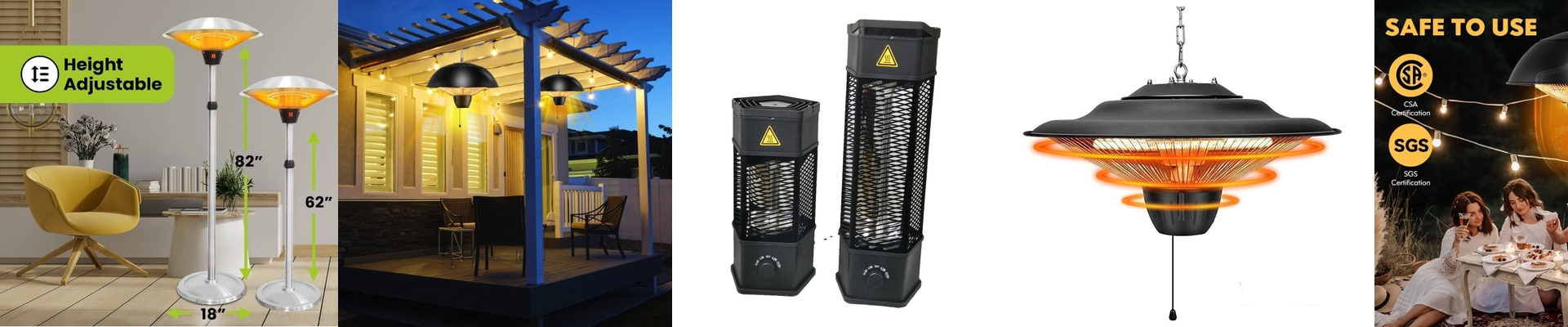
Ever stood outside in the freezing cold, waiting for a heater to finally kick in? It’s a pain. That’s why we’ve focused on getting IP65 infrared heaters to play nice with smart home setups. We wanted something that feels rugged enough for a storm but easy enough to control from your phone.
Why Infrared Just Hits Different
Most heaters try to warm up the air around you. But outdoors? The wind just blows that warm air away. Infrared is different. It sends heat straight to you and the things around you. It’s like stepping into a patch of sunlight on a chilly day. When you hit a button on your smart hub, you don’t wait. You feel that warmth on your skin almost instantly. It’s fast. Really fast.
Weather-Proofing and the “Brain”
Now, the “IP65” part sounds technical, but it basically means you don’t have to worry about dust or a sudden rainstorm ruining your gear. We use heavy-duty gaskets and housings that don’t rust, so the guts of the heater stay bone-dry. To make them smart, we use Zigbee or Wi-Fi relays. Think of these as the middleman between your power source and the heater. Once they’re in place, you can set things up so the heat kicks in the second a sensor detects someone walking onto the patio, or just have it ready for you at 6 PM every night.
A Word of Warning on the Wiring
Here is the thing: you can’t just grab a cheap $10 smart plug from the drugstore and plug in a high-wattage heater. You’ll likely melt the plastic. These units pull a lot of power. You need to make sure your relays and cables are beefy enough to handle the load without overheating. And a pro tip? Put your heaters on their own dedicated circuit. If you’ve got five heaters all slamming the power grid at the exact same second, you’re going to trip your breaker. Get your electrical backbone sorted first, and you can basically turn a winter midnight into a spring afternoon with one tap on your screen.