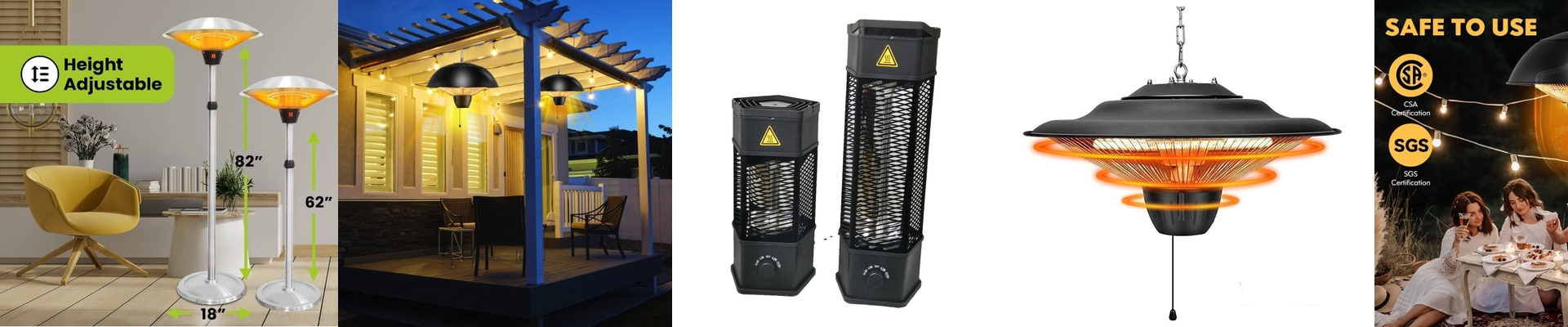
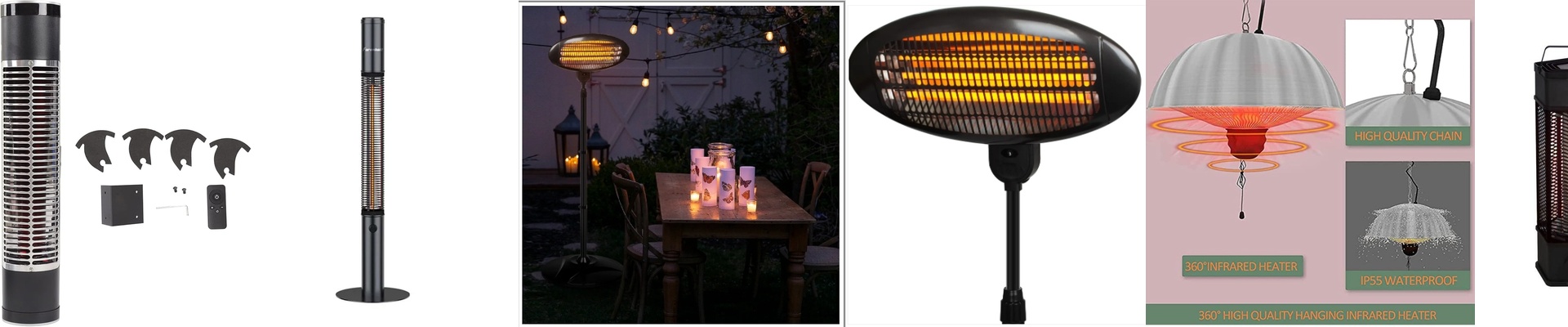
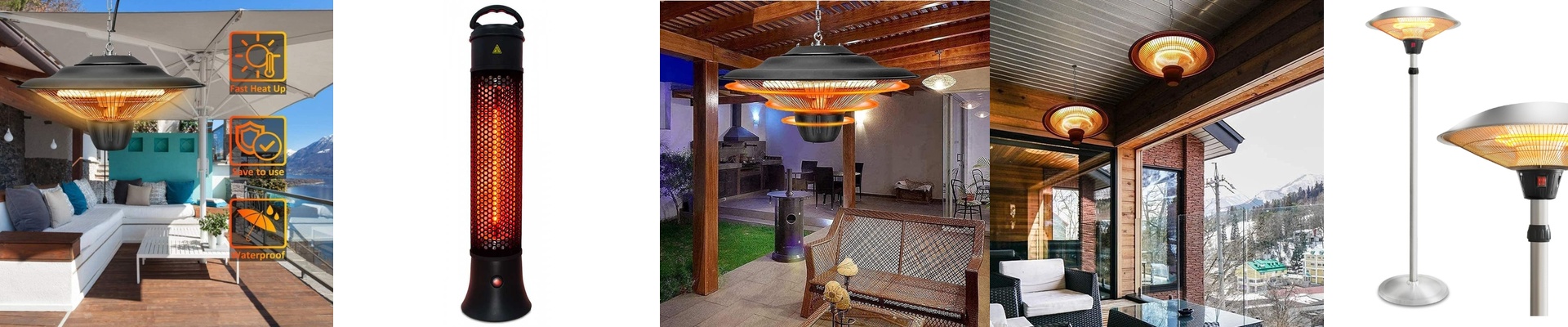
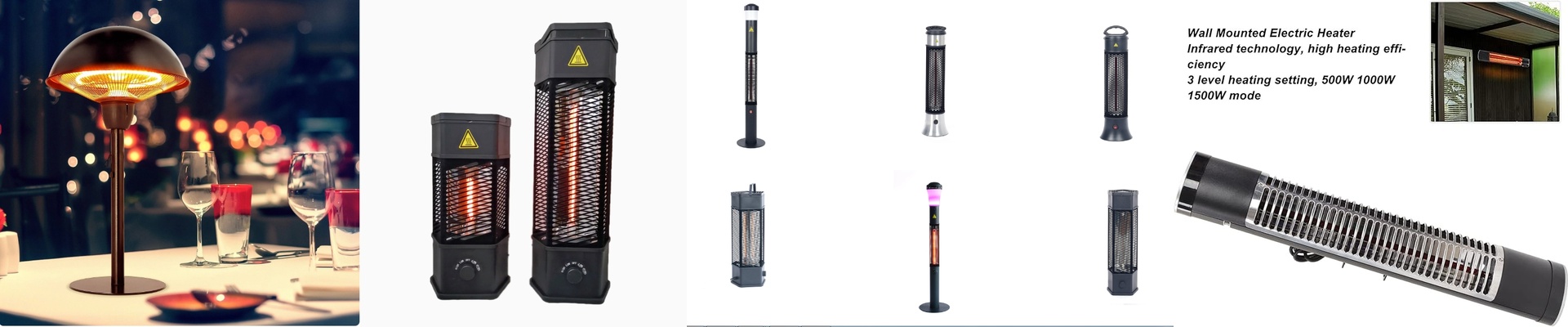

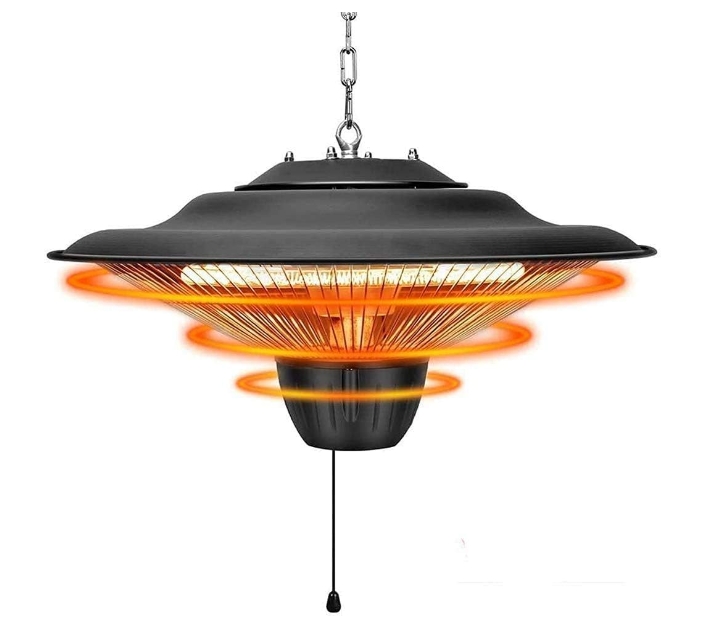
Why You Should Swap Your Old Bathroom Heater for Waterproof Infrared
Let’s be honest: most bathroom “lamp heaters” are pretty mediocre. They use basic heating elements that just can’t handle a steamy room. Eventually, the moisture creeps in, things start to corrode, and—pop—they stop working. That’s why we’re seeing everyone move toward waterproof infrared. It’s just built for the humidity of a shower without the constant fear of a short circuit.
It’s all about how the heat hits you
Here is the thing about traditional heaters: they try to warm up the air. But in a bathroom, that warm air just floats away or disappears the second you open the door. Infrared is different. It doesn’t bother with the air. Instead, it sends out waves of heat that hit your skin or the floor directly. It feels like stepping into a patch of sunlight on a cold day. You feel itinstantly, even if your bathroom is drafty as hell.
Dealing with the “Wet Zone”
When you’re putting a heater in a bathroom, the IP rating is the only thing you actually need to care about. We build our units to take a direct splash without flinching. We use sealed gaskets and housings that keep the water far away from the electrics. If you try to use a standard heater in a room full of steam, the terminals will oxidize and burn out before the year is over. It’s just a matter of time. Plus, we use quartz tubes with special coatings. These are a lifesaver because they can go from freezing to 500°C in a few seconds without cracking, even when the air around them is thick with moisture.
A few things to keep in mind
You can usually wire these into your current setup, but double-check your breaker first. Infrared systems pull a lot of power the second you flip the switch. You don’t want to trip the power just because you wanted a warm room. And a quick heads-up: these things put out some serious heat. If you mount one too low or too close to a plastic shelf, you might actually warp the plastic. The trick is to get the mounting height right so the heat spreads out and you don’t end up with “hot spots.” If your electrical panel can handle the wattage, it’s a massive upgrade for any renovation.