
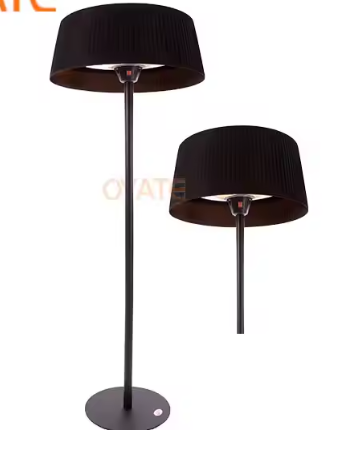
Keeping Things Safe: Heating Lamps in Damp Spaces
If you’re putting infrared heating lamps in a bathroom or anywhere with a lot of steam, a simple “waterproof” cover isn’t going to cut it. You’ve got to worry about condensation. When steam turns back into water right on your electrical terminals, that’s where things get dangerous. That’s why we build our heating tables to IP44 standards. It’s basically our way of making sure the electricity stays exactly where it belongs and nowhere near the outer frame.
What does IP44 actually do?
In plain English, IP44 means the housing blocks anything larger than 1mm from getting inside and can handle water splashes coming from any angle. But here’s the thing: steam is sneaky. It finds the tiniest gaps. To stop it, we use silicone gaskets and sealed cable glands. This keeps moisture from creeping into the wiring, which prevents “tracking”—that nasty process where water creates a little bridge for electricity to jump from a live wire to the metal frame.
The nitty-gritty on insulation
We don’t take shortcuts here. We use double-insulated cabling and reinforced grounding. The heating element itself sits inside a quartz or ceramic sleeve, so it can get scorching hot without cracking under the pressure. And just in case a seal ever fails? The grounded chassis is there to catch the fault current and send it straight to the earth. This trips your RCD (Residual Current Device) instantly, long before you’d ever feel a thing on the surface.
The trade-off you need to know about
There is a catch. High-density infrared heat creates a huge temperature difference. While the IP44 seal is great at keeping water out, it also traps heat inside the box. If the enclosure is too small and can’t breathe, that internal heat will eventually bake the wire insulation until it becomes brittle and snaps.Space matters. One last piece of advice: wire this thing into a properly rated GFCI breaker. Seriously. It’s the only real way to stay safe when you’re mixing high-wattage heat with water. If you skip the ground wire or use a cheap breaker, the IP44 shell can’t protect you from a short circuit.