
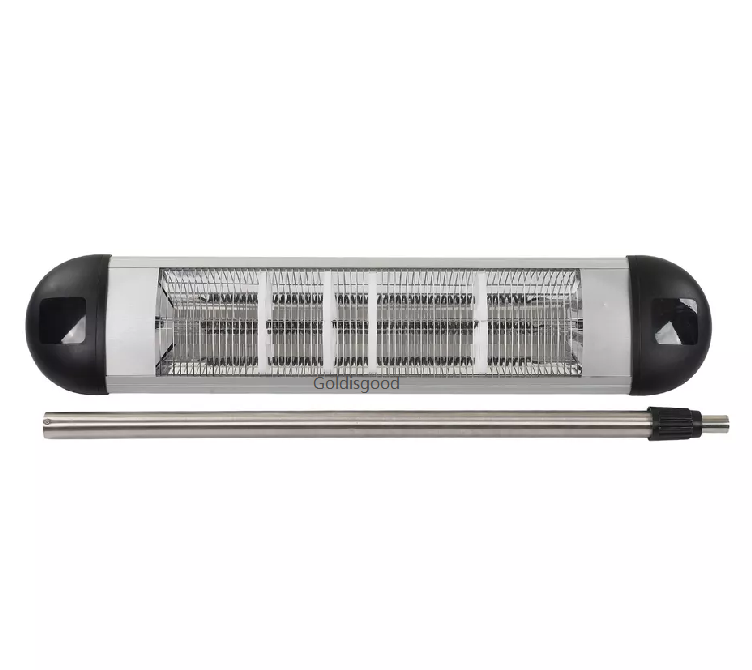
Stopping the Shivers: How We Use Shortwave IR for Fast Heat
Ever stepped out of a shower into a freezing bathroom? Or tried to shave while staring at a mirror that’s completely fogged over? It’s a pain. We use shortwave infrared (IR) to fix that. Most heaters just try to warm up the air, which takes forever. IR is different. It sends energy straight to the objects—and people—in the room. You feel the heat the second you turn it on. No waiting around for the room to “warm up.” The trick with the mirrors When we set these up for mirrors, we’re basically fighting the dew point. We keep the glass just warm enough that condensation can’t even start to form. Because it kicks in instantly, you don’t have to leave it running all day. Just hook it up to a motion sensor or a timer. It pops on when you walk in, does its job, and shuts off when you leave. Simple. What goes into the build We use high-purity quartz tubes for these. Why? Because they can go from room temperature to scorching hot in a heartbeat without cracking. Depending on how much power we’re pushing, we add reflectors to make sure the heat goes forward toward you, rather than just soaking into the wall behind the unit. One quick heads-up: these lamps pull a lot of power the moment they switch on. If your wiring isn’t ready for that initial surge, you’re going to be tripping breakers. Make sure your circuit can handle the peak load before you flip the switch. A few things to watch out for Shortwave IR is incredibly fast, but it doesn’t “throw” heat very far. If the emitter is too far from the mirror or the person, you won’t feel much. You want a tight setup to keep the heat dense and effective. And a word of caution: these tubes gethot. Like, “burn you on contact” hot. You’ve got to shield the elements or tuck them behind tempered glass. It’s the only way to make sure the installation is actually safe for whoever is using the bathroom.