Stop Losing Money to the Winter Chill
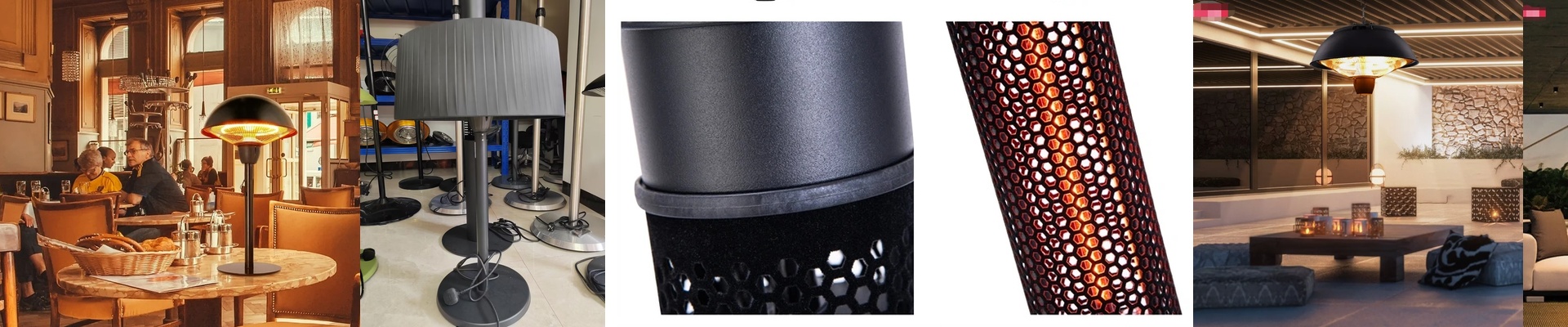
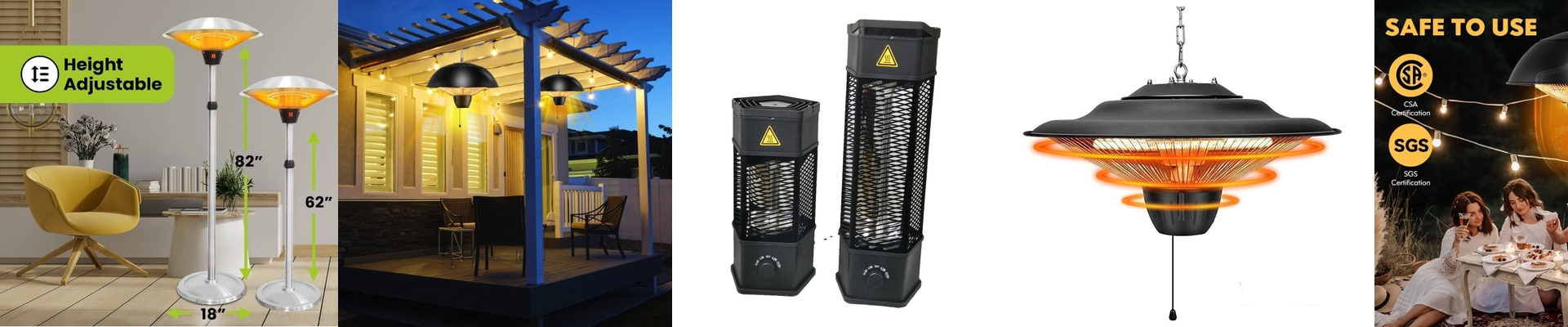
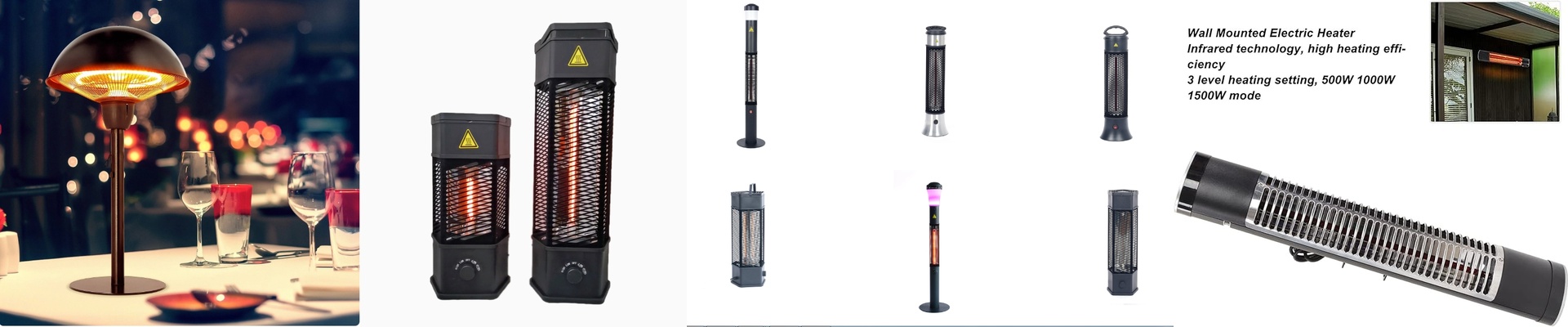
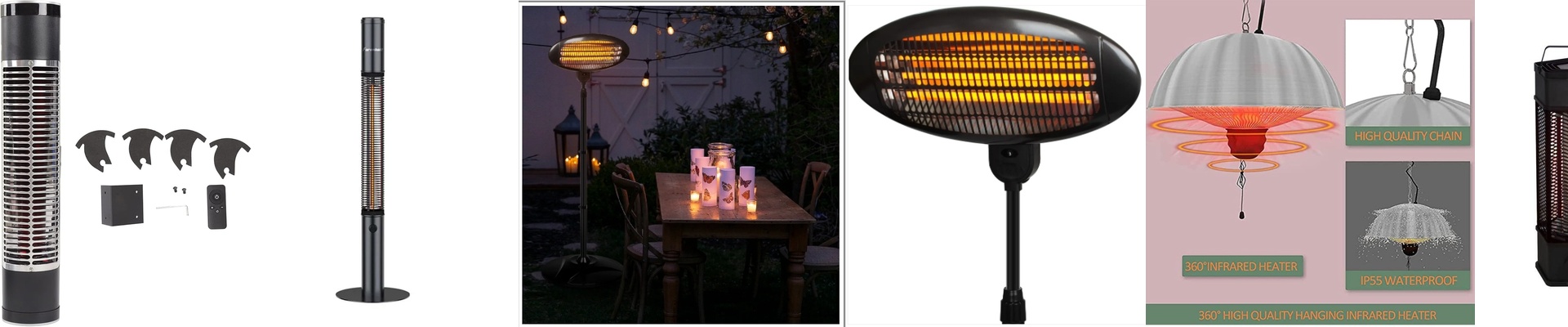
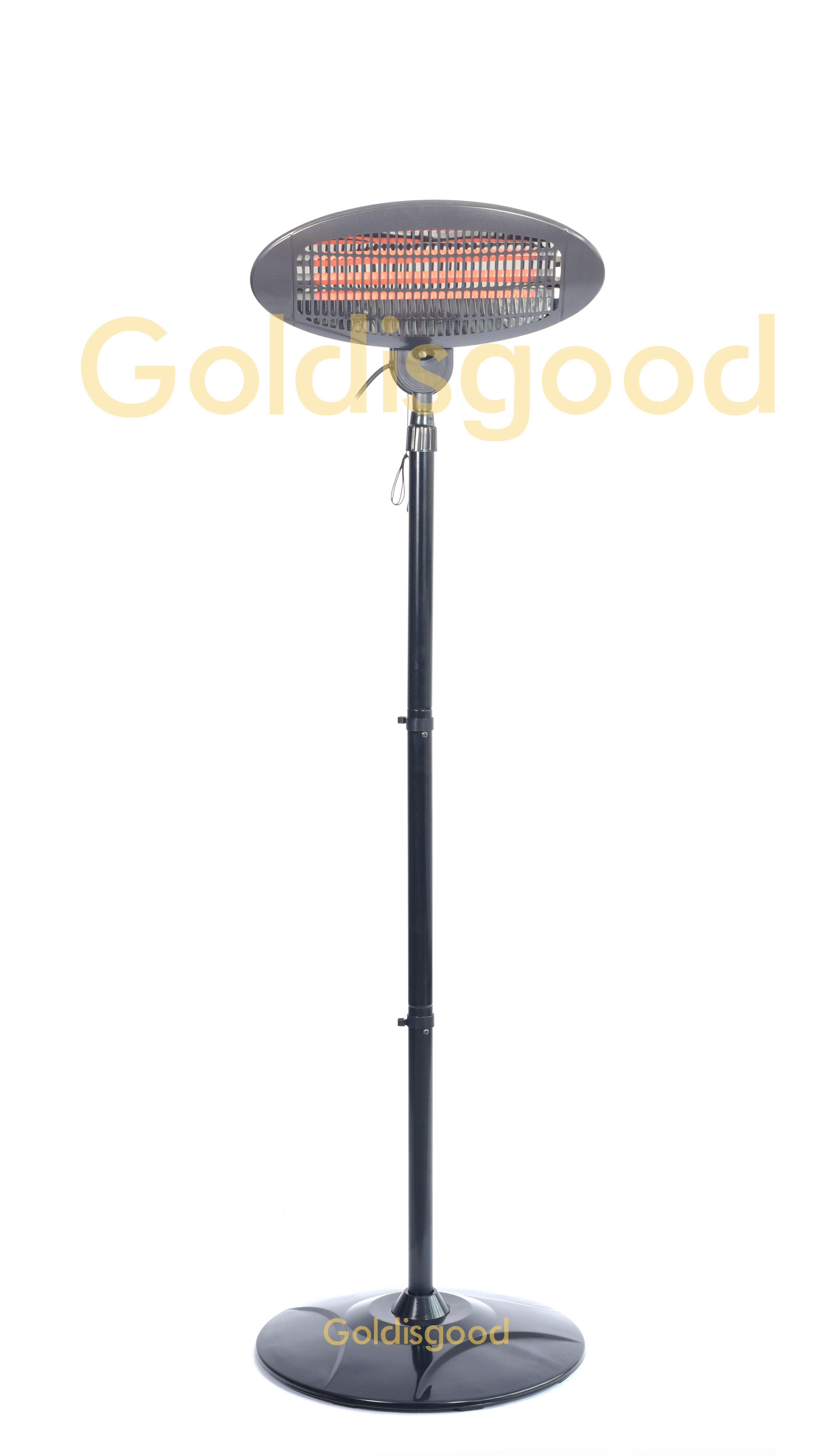
It’s the same story every year. You’ve got a great outdoor patio, but the second the temperature drops, those tables stay empty. Nobody wants to shiver through a meal, and when guests are cold, they leave fast. That’s where these IP55 infrared heaters come in. Here is the secret: they don’t bother trying to heat the air. That’s a losing battle. Instead, they send heat straight to your customers’ skin and clothes. It feels like standing in the sun. Even if a breeze kicks up, your guests stay warm and cozy.
Built to Take a Beating
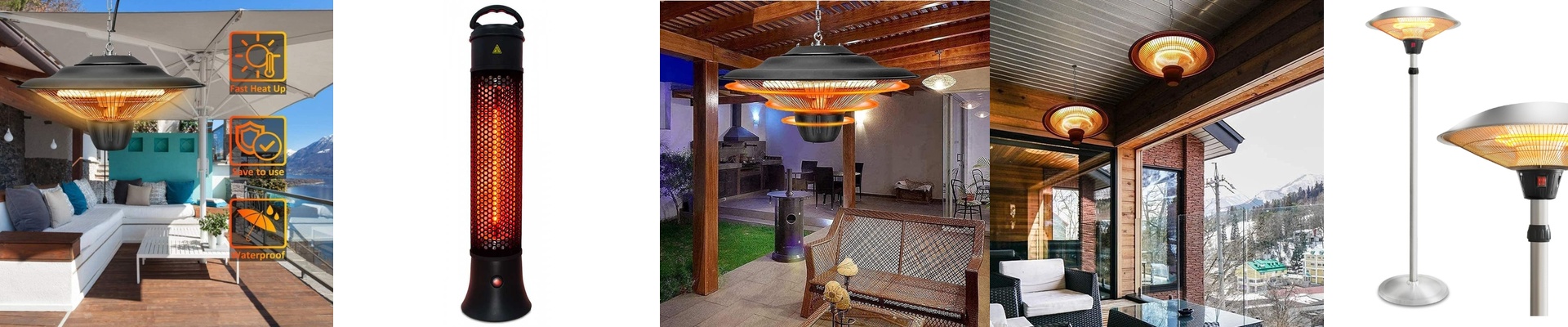
Outdoor gear has to be tough. We use IP55-rated housings because, let’s be honest, the weather is unpredictable. The “55” part basically means these things can handle rain and dust without breaking a sweat. You can tuck them under umbrellas or bolt them to a pergola and not spend your whole night worrying if a little moisture is going to fry the circuits. And they’re fast. Really fast. There’s no waiting around for the unit to “warm up.” The moment a customer sits down and you flip the switch, they feel it instantly.
Why This Actually Matters for Your Bottom Line
If you’ve ever used a standard space heater outside, you know the wind just blows the heat away. It’s a waste of electricity. Shortwave infrared is different. It pushes the warmth downward, creating a little “bubble” of heat right around the table. When people feel warm, they relax. They linger. They order that extra round of drinks or a dessert they weren’t planning on. It’s pretty simple:comfortable guests spend more money.
A Quick Word on the Wiring
Now, here is the part where you need to be careful. These heaters pack a punch, which means they need some serious power. You can’t just plug a few of these into a cheap extension cord and hope for the best. If you do, you’ll be tripping your breakers right in the middle of a Friday night rush. You’ll want a dedicated circuit for every four heaters. It keeps everything stable and ensures you’re getting the full heat output. If your wiring is too thin, the voltage drops, and your heaters just won’t perform. Get the electrical work done right the first time, and you can stop worrying about the weather and start focusing on your guests.