
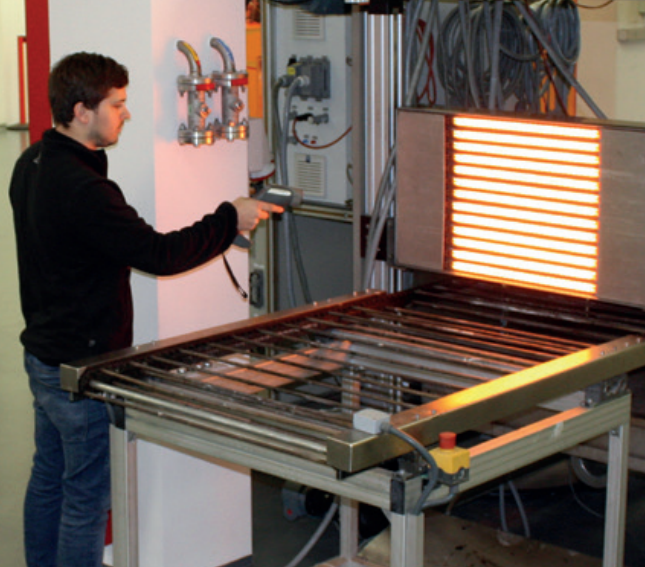
We test every single lamp. No exceptions.
Before a lamp tube even thinks about leaving our floor, it goes through a high-voltage withstand and insulation resistance test. Every single one. Why? Because in the world of smart sensor packaging and infrared heating, one tiny insulation leak is a nightmare. It doesn’t just kill the lamp. It can fry your entire control board or trip a ground fault that brings your whole production line to a screeching halt. Nobody wants that phone call on a Tuesday afternoon.
How we push them to the limit
Here is how it works. We hit the electrical path and the chassis with a voltage way higher than what the tube will actually see during normal use. We’re basically hunting for weaknesses. We want to find those hidden flaws in the quartz seal or the electrode termination now, rather than you finding them later. If the current leaks even a little bit past our limit, that tube is trash. We don’t do “batch sampling.” That’s too risky. We test every unit so that when you wire it up, the power stays exactly where it should be: in the filament.
The reality of heat and humidity
Smart sensors live in a tough spot. They have tight tolerances, and infrared tubes put out an incredible amount of heat. That heat causes materials to expand and contract—thermal cycling, if you want to be technical. Over time, that can lead to micro-cracks in the seals. If a bit of moisture or some gunk gets into those gaps? You get an arc. By hammering the insulation resistance (IR) at the factory, we make sure the tube can take a beating in humid or hot environments without shorting out.
The trade-off
To be honest, keeping our QC specs this tight means we scrap more units. It increases our waste. But for you, it means these lamps are simple, drop-in replacements that won’t trip your breakers. Just a heads-up: while we make sure the tubes are rock solid, your own wiring and connectors need to be rated for those same voltage peaks. You don’t want a weak link in your safety chain elsewhere in the system.