


How to handle heating in a Class 100 cleanroom without the mess
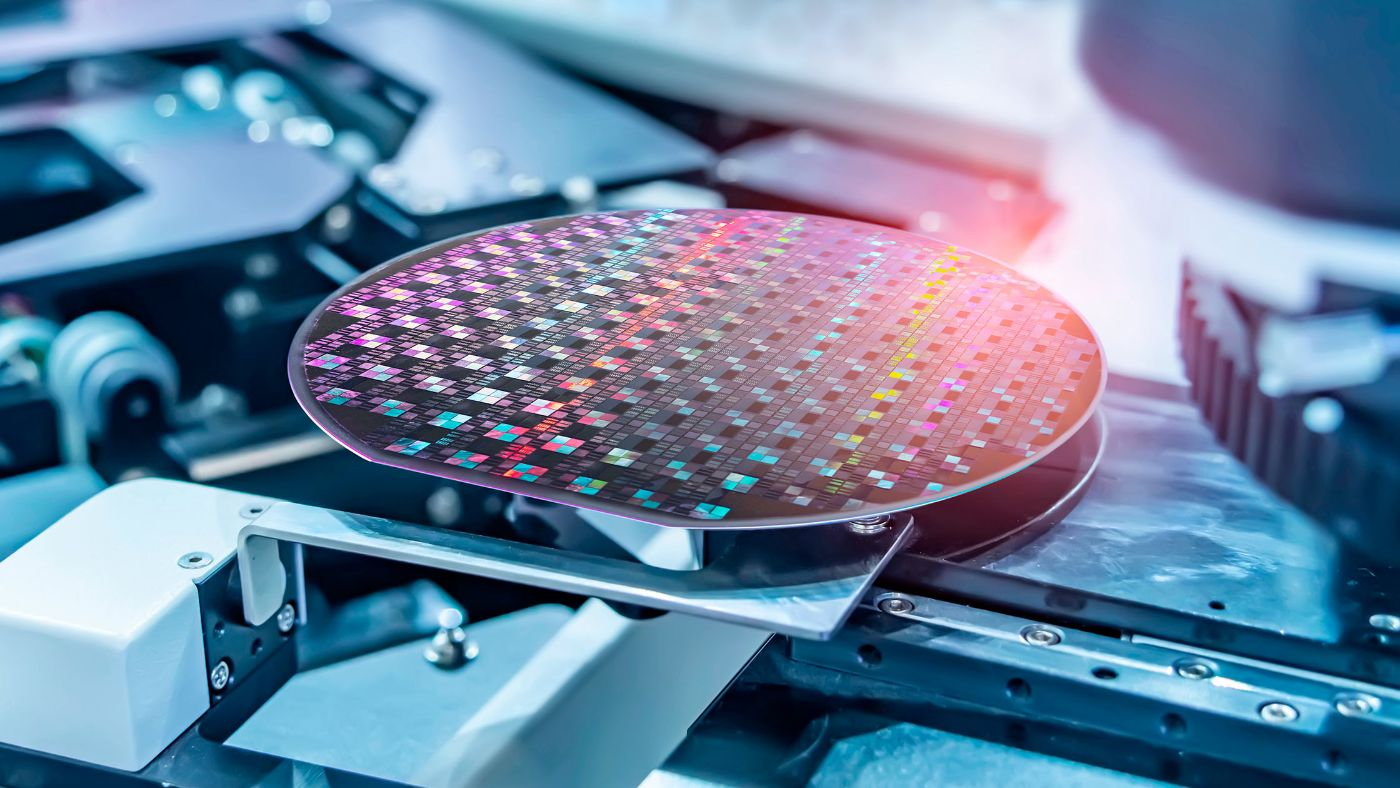
If you’re running a Class 100 cleanroom, you know the drill. Even a tiny bit of dust or a few stray flakes from a heating element can ruin your entire batch. Standard resistive heaters are a nightmare here—they outgas, they flake, and they just aren’t built for this level of precision. That’s why we stick with high-purity quartz IR lamps and gold-coated reflectors. It’s the only way to actually hit that “zero-pollution” mark. Why the quartz matters We use fused quartz for the lamp envelope. Why? Because it doesn’t crystallize. When you’re cycling heat up and down, cheaper glass starts to break down and shed microscopic particles. Quartz doesn’t do that. It stays chemically inert and holds its own under extreme heat. It just works. The gold standard (literally) Now, let’s talk about the reflectors. Most people use aluminum, but aluminum oxidizes over time. That oxidation creates dust. Plus, it absorbs too much energy. We use gold. Gold reflects over 98% of the infrared radiation. Instead of the heat soaking into your machine frame and warming up everything around it, the gold pushes that heat straight into your workpiece. Your heating zone stays tight, and you stop wasting power. A few things to watch out for These lamps are fast. Really fast. You get an almost instant ramp-up and a level of control that’s hard to beat. But here’s the catch: gold is picky. If an operator touches the reflector with bare hands, the oils from their skin will bake right into the gold during the first heat cycle. This leaves permanent “hot spots” and kills your reflectivity.Use lint-free gloves. Every single time. We’ve designed these to slide right into semiconductor and medical device setups. Just make sure your power supply is rock solid. A sudden voltage spike can pop a filament in a heartbeat, especially with high-wattage gear. And keep an eye on your PID controllers—you don’t want the temperature overshooting your target.