

Infrared vs. Hot Air: A Better Way to Heat Bio-Sensors
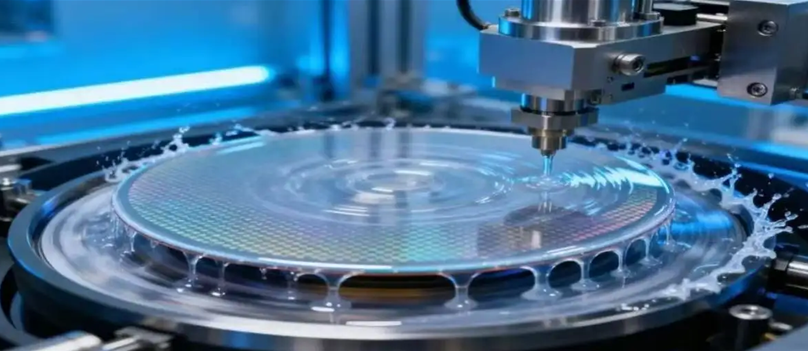
If you’re still using hot air circulation for semiconductor deep processing, you’re essentially playing a waiting game. See, hot air relies on convection. You heat the air, then you wait for that air to heat your substrate. It’s slow. There’s this annoying thermal lag that just eats into your day. When you’re dealing with bio-sensors where layers are only a few microns thick, that lag isn’t just a nuisance—it’s a risk. Cutting out the middleman IR lamps do things differently. They don’t bother with the air; they just shoot electromagnetic radiation straight at the target. The difference in speed is wild. While a convection oven spends minutes just trying to get the chamber stable, an IR array hits the mark in seconds. It’s a massive win for your cycle time. Plus, you aren’t wasting money heating up a giant metal box full of air. You’re only paying to heat the wafer. Getting the heat where it actually belongs We’ve all dealt with “cold spots” in hot air ovens—those annoying patches where the airflow just doesn’t hit right. With IR, you can actually control the zones. You can tweak the lamp array to push more power into the center and dial it back at the edges to make up for heat loss. It means you can stop relying on those long “soak times” just to make sure everything is even. The catch (and the payoff) Now, there is a trade-off. IR packs a lot of punch. If your PID controllers are off or your sensors are lagging, you’ll overshoot your target temperature. One wrong move and you’ve fried your bio-active layers. You really need fast-response thermocouples to keep things under control. But once you’ve got that dialed in? Your workspace opens up. You can ditch the bulky blowers and loud ducting for slim lamp housings. It fits right into most curing and drying stages without needing a total overhaul of your line.