


Why We Don’t Gamble With IR Lamp Testing
Industrial infrared curing lamps live in a brutal environment. They deal with heat that would melt most things. If you’re plugging these into a high-end curing tunnel or a PET blowing machine, you know the stakes. One tiny insulation failure and—pop—your entire line trips. Or worse, you fry your control PLC. That’s a nightmare nobody wants to deal with on a Tuesday morning. That’s why we don’t do “random sampling.” We test every single tube. 100% of them.
The “Stress Test” Approach
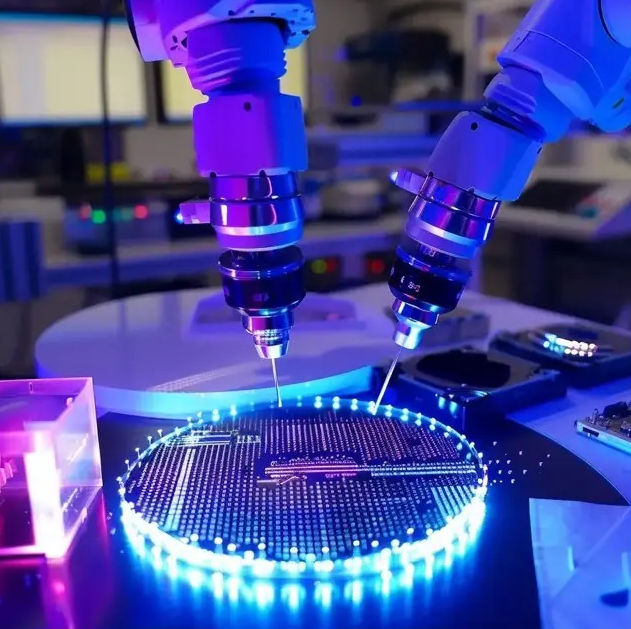
Here’s the thing about high-voltage heating elements: a few random checks just aren’t enough. We put every lamp through a HiPot (voltage withstand) test. Basically, we stress the electrical path to make sure the quartz envelope and the seals are perfect. We’re looking for those invisible micro-cracks or tiny bits of contamination that the human eye would never catch. If there’s a pinhole leak or a bad seal, we want it to fail here—in our lab—not on your shop floor. We also check the insulation resistance. We need to be absolutely sure the current stays exactly where it belongs. If the dielectric barrier leaks, you get “parasitic currents.” In plain English? Your sensors start acting weird, or the machine frame becomes electrified. Neither is a good look.
Heat, Expansion, and Reality
High-wattage lamps get incredibly hot. Really hot. And physics tells us that as materials expand from that heat, insulation resistance usually drops. It’s just how it works. Because of that, we spec our components with a generous safety margin. We make sure they stay safe even when they’re glowing at peak temperature. But remember, the lamp is only half the battle. A great lamp needs a great setup. Make sure your system is properly grounded and your wiring is rated for the actual voltage and current the tube pulls. If your connectors are loose or covered in oxidation, you’re going to get arcing. It doesn’t matter how perfect the lamp is from the factory if the connection is shaky.