
Stop Turning Your Fab Equipment Into an Oven
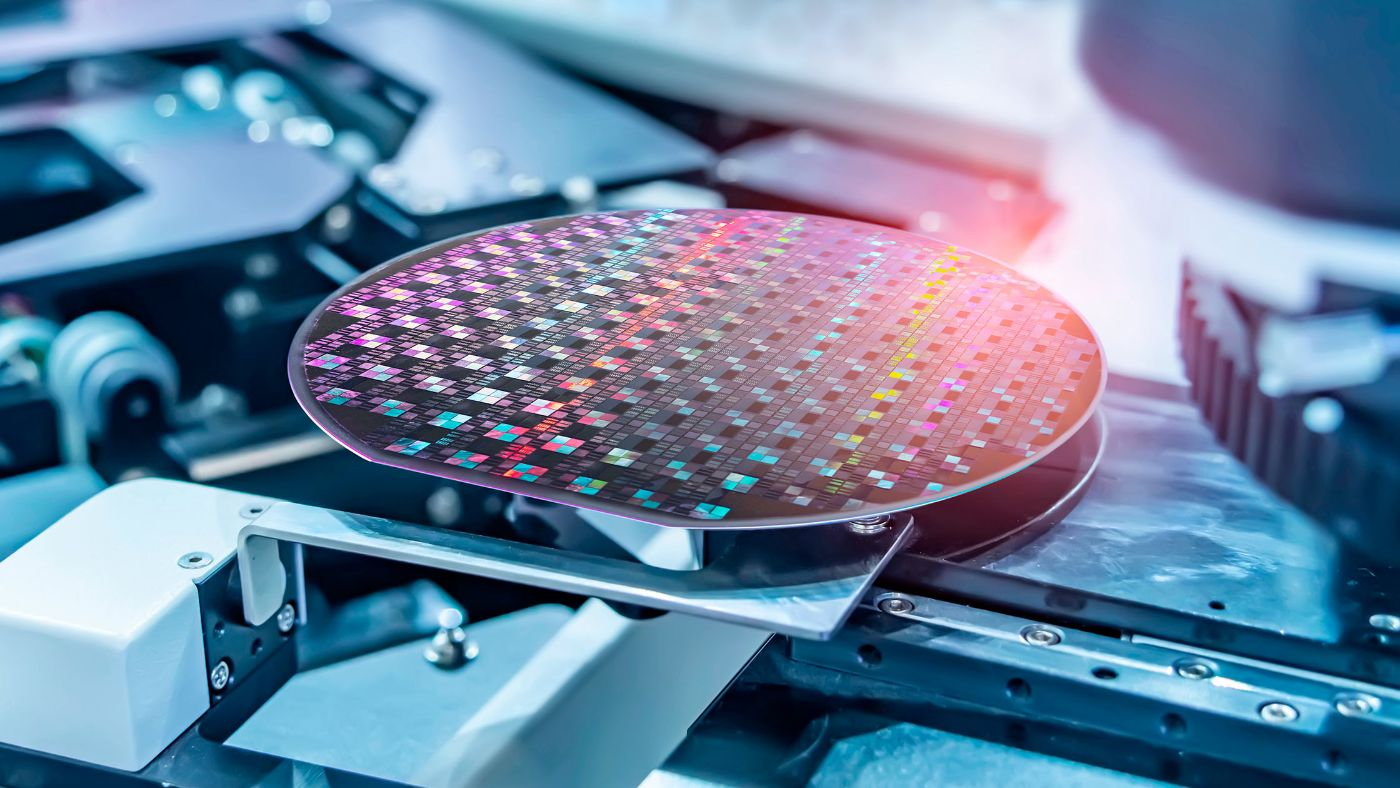
Most standard heating elements are a bit too generous. They throw heat in every single direction—360 degrees of energy. When you’re working with a tight semiconductor tool footprint, that’s a problem. All that stray heat hits the inner walls of the machine. The result? “Hot walls.” It’s a safety nightmare for your operators and a massive waste of power. You’re basically heating up the chassis of the machine when all you actually care about is the wafer. The fix is pretty simple: Directional IR. Think of it like switching from a bare lightbulb to a flashlight. Instead of letting the heat bleed everywhere, directional IR lamps use reflective backings or special coatings to push the energy exactly where it needs to go. The energy hits the wafer or the substrate, and it stays there. The inner skin of your equipment doesn’t soak up the excess, so the inside of your tool stops feeling like a sauna. Why this actually matters on the floor When you’re picking out these lamps, the “emission angle” is the only thing that really counts. A tighter beam means less stray radiation. For the people maintaining the tools or loading wafers, this is huge. It means they aren’t risking a burn every time they open a panel. Plus, your facility’s chilled water systems can finally catch a break. They aren’t fighting a losing battle trying to cool down walls that shouldn’t have been hot in the first place. The catch (because there’s always one) Look, this isn’t a magic wand. When you concentrate energy this tightly, you risk creating “hot spots” if things aren’t lined up perfectly. Your mounting brackets have to be rock solid. If a lamp shifts just a few millimeters, you might miss your target zone entirely or end up with uneven heating across the wafer. My advice? Don’t skip the calibration check after you swap a lamp. It takes a minute, but it beats ruining an entire batch of wafers.