


Keeping Your Class 100 Fab Actually Clean
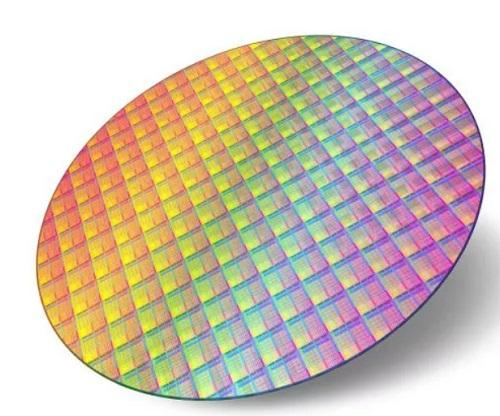
If you’re running a Class 100 cleanroom, you already know the drill. There is zero room for error. One tiny flake of material or a stray puff of gas, and your whole batch of wafers is toast. The problem is that most heating elements aren’t built for this. They flake. They leak VOCs. They basically act like little confetti cannons for contaminants. We figured out a better way using high-purity synthetic quartz IR lamps.
Why the quartz actually matters
Here’s the thing: most industrial lamps use “standard” quartz. In a normal factory, that’s fine. But in a fab? Any trace of metal impurity can migrate right onto your substrate. We use fused silica with almost no impurities. It doesn’t break down when things get hot, and we scrub the tubes so there’s no residue left on the surface. Plus, these lamps use short-wave IR. It hits the substrate faster than long-wave heat, so your ramp-up time is way shorter. It’s fast. Really fast. And that keeps your line moving.
The nitty-gritty on the build
We didn’t just focus on the glass. We looked at the points where things usually fail. We use gold-plated or specialized alloy electrodes. Why? Because oxidation at the seal point is a nightmare. We also pair them with high-temp lead wires that won’t smoke or degrade the first time you fire them up. No “first-run” smells, no surprises. One heads-up on the setup: keep an eye on your watt density. High-wattage tubes pack a massive punch of heat, but you’ve got to make sure your cooling manifolds can actually handle the rise in ambient temperature. If your ventilation is weak, you’re just going to bake your own lamp housing.
Making it work in the real world
These are designed to be drop-in replacements for your curing, drying, or annealing stages. The best part? We stripped out the organic binders. That means there’s no “burn-off” period where the lamp releases particles into your airflow. You just get stable, radiant heat without the anxiety of contaminating your production line. Just double-check that your power supply matches the voltage. If you get that wrong, you’ll burn out the filament before you even get started.