

A Smarter Way to Heat Semiconductor Tools
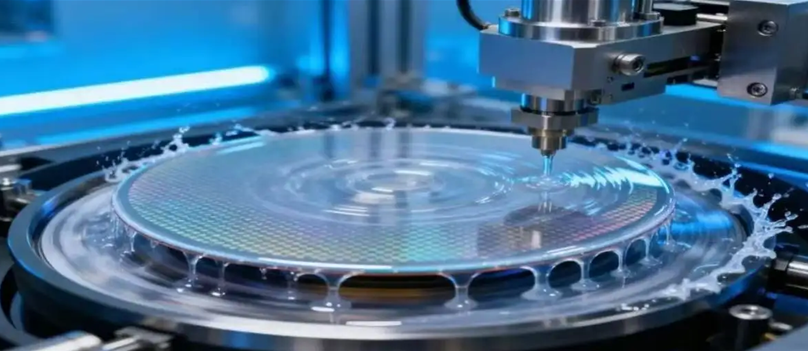
Most semiconductor gloveboxes are still doing things the old way. They use convection or resistive heating, which basically means they waste a ton of energy trying to heat up every single cubic inch of air inside the box just to get one part warm. We’ve found a better way: short-wave infrared (IR). Instead of fighting the air, IR goes straight for the workpiece. It’s like the difference between heating your whole house with a furnace just to warm your hands, or just using a heating pad. You use way less power because you’re only heating what actually needs to be hot. The Need for Speed When we’re picking out elements for a glovebox, it all comes down to heat flux—how much punch you get per square centimeter. With high-wattage IR lamps, the ramp-up is nearly instant. We’re talking seconds, not minutes. That means your tools aren’t just sitting there idling and eating electricity while you wait for them to hit the right temp. One quick tip: if you’re packing in a high-density array, make sure your power supply can handle the initial surge. You don’t want to blow a fuse the second you flip the switch. The Nitty-Gritty on Materials We use quartz envelopes with special coatings to dial in the emission spectrum. This is key because short-wave IR sinks deeper into the materials, which is exactly what you need for cleanroom substrates. Then there’s the hardware. Whether you go with R7s or industrial pins, you want something you can swap out quickly when an element eventually burns out. And if you’re working with corrosive gases or high humidity? Go with gold-plated contacts. It keeps oxidation from creeping in and messing with your electrical resistance. The Trade-offs Look, nothing is perfect. Switching to IR is great for the planet—and your electric bill—because you’re cutting down the total kWh per wafer. You’re dealing with much less “thermal mass,” which is a win. But here’s the catch: IR is directional. It’s a beam, not a cloud. If your glovebox has a weird internal layout, you can’t just toss a lamp in and expect everything to be the same temperature. You’ve got to be precise with where you place them, or you’ll end up with cold spots. Also, be careful not to overdo the wattage. If you crank it up too high without the right shielding, you might actually melt your polymer windows or warp the seals. It’s all about finding that sweet spot between raw heat and what your enclosure can actually handle.