Getting the Heat Right for Wafer Bio-Sensors
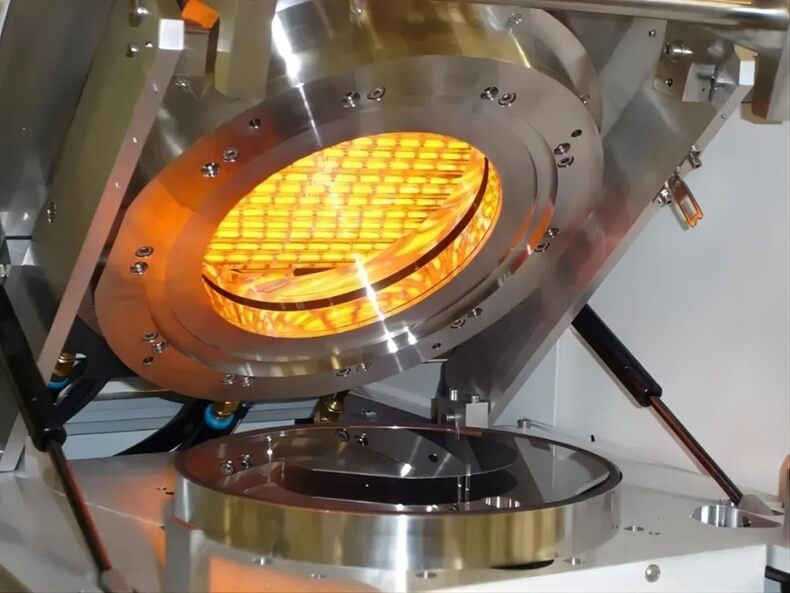
If you’re building bio-sensors on wafers, you know the struggle. Thermal control isn’t just a “nice to have”—it’s everything. We handle this by pairing specialized infrared lamps with gold-coated reflectors. The goal is simple: stop wasting energy by heating up the machine’s chassis and push all that heat exactly where it belongs—right onto the substrate. Why gold? Here’s the thing. Most people start with aluminum reflectors, but aluminum absorbs a chunk of that infrared energy. You’re basically throwing wattage away. We use gold because it reflects IR light far better. It’s like recycling photons. Instead of letting the heat bleed backward, you bounce it forward. This gives you a much higher heat density on the wafer without having to crank up the power draw. It’s just smarter physics. Dealing with the heat When you cram high wattage into a tiny space, things get intense. You get these sharp thermal gradients that can warp your wafer or ruin the curing process of your bio-sensing layers. To fix that, we design these lamps to create a smooth, uniform heat map. But a quick tip: make sure your power supply actually matches the lamp’s voltage. If they’re off, you’ll burn through your filaments way faster than you should. The trade-offs Setting these up is pretty easy, but there’s a catch. Gold is sensitive. Whatever you do,**don’t scrub these reflectors with abrasive pads.**One bad cleaning session can scratch the gold layer, and suddenly you’ve got “cold spots” on your wafer. It’s a headache you don’t want. One last thing to watch out for. Because the heat flux is so concentrated, your mounting brackets are going to feel it. If you’re running these at full blast for long cycles, double-check your cooling system. You need to keep the ambient temperature around the housing down, or your connectors will start to degrade.