
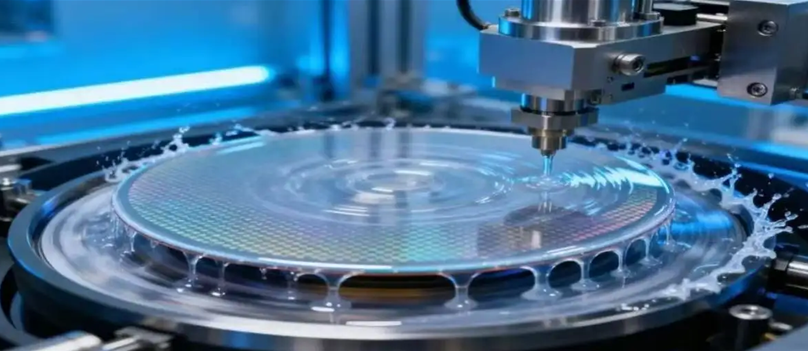
Why we’re ditching hot air for IR in bio-sensor builds
When you’re fabricating bio-sensors, you’re dealing with organic layers that are incredibly finicky. They need to be cured and dried just right. For years, the standard move has been to blast them with hot air. But honestly? That’s a huge bottleneck. Think about how forced convection works. You heat the air, and then the air heats the substrate. It’s indirect. It’s slow. It’s basically like trying to warm up a room by heating the hallway first. Infrared (IR) lamps change the math. They skip the middleman. The energy goes straight from the lamp into the material. No waiting around for the air to get warm. The frustration of the “wait” If you’ve worked with hot air systems, you know that sluggish feeling. You have to wait for the entire chamber to heat up before your substrate even gets close to the target temperature. In deep semiconductor processing, that wasted time adds up fast. It’s a killer for your schedule. IR lamps hit full power in milliseconds. Just… snap. We’ve seen ramp-up times drop by 70% to 90%. That means you can push way more through your line without having to buy a bigger machine or clear out more floor space. Getting it right on the line For these bio-sensor lines, we stick with short-wave IR emitters. They focus the energy into a tight spectrum that actually penetrates those thin films. You get a punch of heat exactly where the chemical reaction needs to happen. To keep things clean, we use quartz envelopes on the lamps. No contamination. One heads-up, though: if you’re running high volume, you can’t just flip a switch and walk away. IR is fast—maybe too fast. You’ll need a solid PID controller to keep a tight leash on the temperature. Without that feedback loop, you might overshoot and accidentally fry your bio-active layer. And that’s a mistake you only make once. The trade-offs Now, IR isn’t a magic wand. It’s directional. Hot air is great because it wraps around everything, no matter the shape. IR is more like a flashlight; it hits what it sees. This means you have to watch out for “cold spots.” You might need to stagger your lamps or use reflectors to make sure the whole wafer is getting equal love. And if your substrate has deep pits or recesses? IR won’t reach the bottom. In those cases, you’re better off with a hybrid setup so you don’t end up with defects.