

Cutting Carbon in the Fab: The Simple Power of Aluminum Reflectors
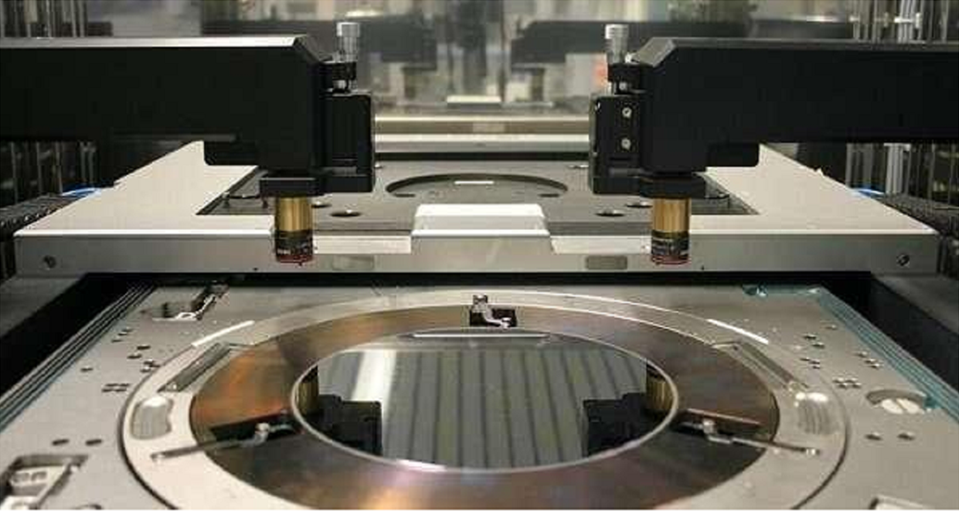
In a semiconductor fab, waste heat is basically a leak in your wallet. When you’re running IR heating lamps for curing or wafer processing, any radiation that misses the target is just gone. Wasted energy. That’s where precision aluminum reflectors come in. Instead of letting that heat drift away, we bounce it right back where it belongs. It’s a simple way to hit your target temperatures without cranking up the power bill. The trick is in the physics. We stick with high-purity aluminum because it’s incredible at reflecting infrared light. Think about it: a raw lamp throws energy in every direction—a full 360 degrees. Without a reflector, you’re essentially throwing half your heat at the machine chassis. By curving the aluminum into a parabolic or elliptical shape, we concentrate all that IR flux onto the wafer. You get way more heat density on the surface without having to push more wattage through the lamp. But here’s the catch. Aluminum is the go-to because it’s light and handles the heat well, but the surface finish is everything. If you’ve got scratches or oxidation on the reflector, those IR rays start scattering. Efficiency drops. When that happens, your lamps have to work harder to make up the difference. They run hotter. The filaments get stressed. And suddenly, your lamps are burning out way faster than they should. It’s a frustrating cycle, and it’s usually because the reflectors weren’t kept clean or replaced on time. The big picture for the “Green Factory.” When you’re looking at carbon footprints in a fab, it all boils down to kilowatt-hours per wafer. By fixing the optical path with these reflectors, we’re solving an electrical problem with a mechanical fix. You use less power, and—this is the best part—your HVAC system doesn’t have to work nearly as hard to scrub excess heat out of the cleanroom. It’s a straightforward way to hit those carbon-neutral goals without having to slow down your line speed.