
Let’s Talk About Ceramic End Caps for IR Emitters
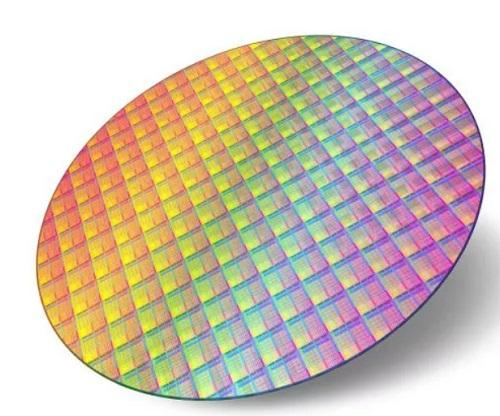
When you’re dealing with semiconductor drying and curing—especially with the shift toward lead-free processes—heat management becomes a bit of a nightmare. That’s where ceramic end caps come in. Now, it’s easy to think of these as just “holders” for the IR emitters. But in reality, they’re doing the heavy lifting. They keep the high-voltage connections away from the chassis and stop the machine frame from soaking up all that extreme heat.
Why High-Alumina Ceramics?
We stick with high-alumina ceramics for a simple reason: they don’t warp. Think about a shortwave emitter. The spot where the tungsten filament hits the lead wire gets incredibly hot. If that heat starts migrating into your wiring harness, you’re in trouble. I’ve seen people try to save a few bucks with cheap composites or low-grade insulators. It never ends well. The wire insulation melts, the connectors oxidize, and suddenly your system burns out way sooner than it should.Not worth the risk.
Going Green (Without Losing Power)
Everyone is talking about “eco-friendly” and “lead-free” drying these days. But for us, that’s really a conversation about energy density. IR curing is great because it’s direct. You aren’t heating up a whole chamber like a giant convection oven; you’re hitting the substrate directly. Because these ceramic caps handle the heat so well, we can crank up the wattage without worrying about electrical arcing. That means your wafers ramp up faster, and you end up using less power overall. It’s a win-win.
The Catch: Handle With Care
Here is the thing: ceramic is stable, but it’s brittle. If a technician is a bit too rough during a lamp swap, or if the mounting bracket is clamped down too tight, the cap will crack. And once it cracks? Your insulation is gone. My advice? Double-check your mechanical tolerances. Make sure there are a few millimeters of breathing room in the housing. Ceramics need a little space to expand when they get hot, or they’ll just snap.