How to Pick the Right Infrared Heater for Your Bathroom
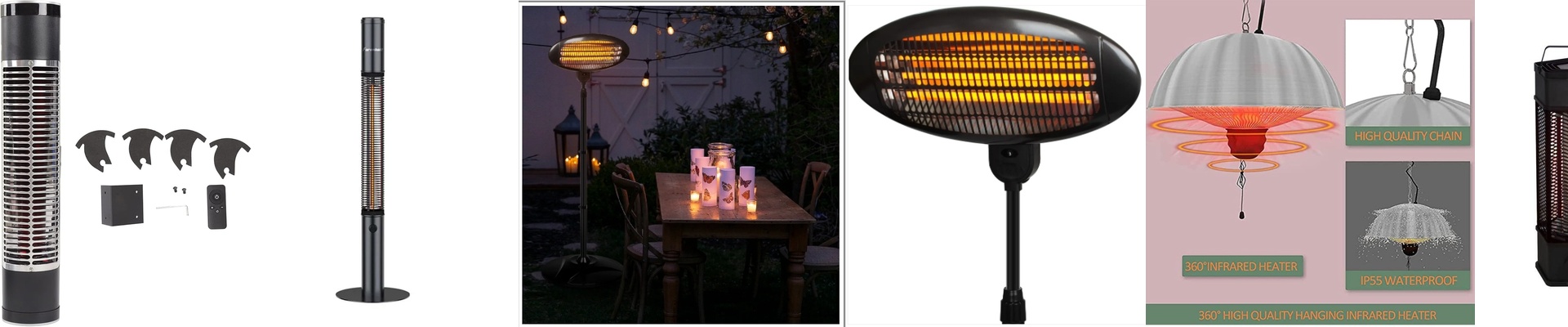
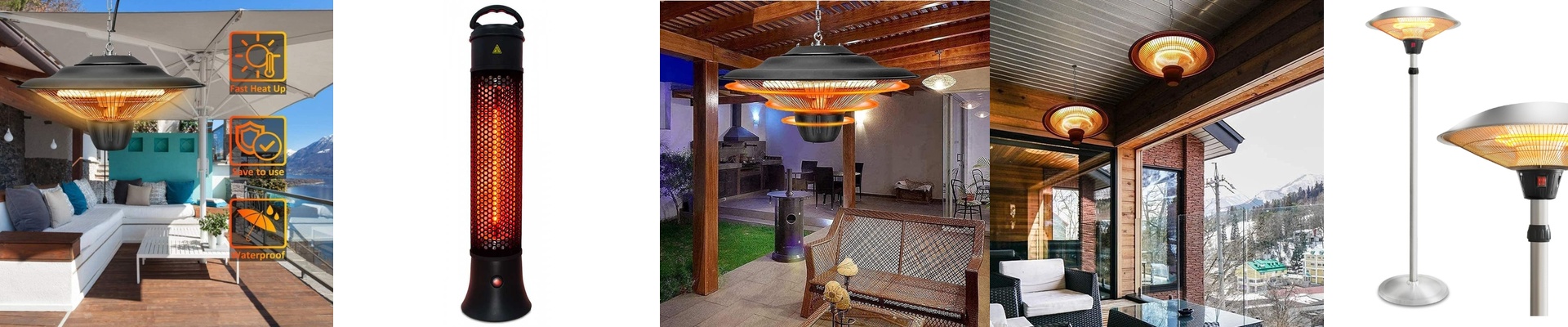
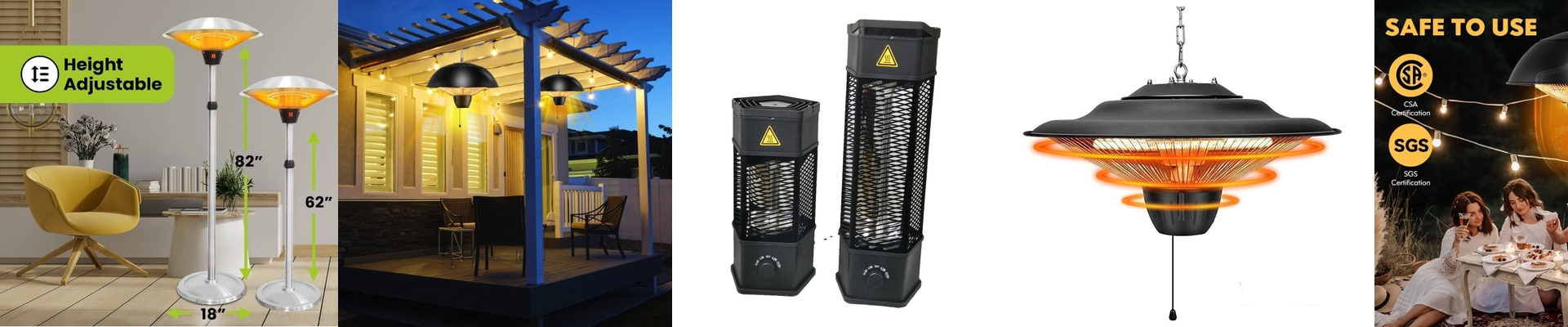
Nobody likes stepping out of a hot shower into a freezing bathroom. It’s the worst part of the morning. But if you just throw the biggest heater you can find into a small space, you’re going to end up in a sauna—and you’ll waste a ton of money on your electric bill. The trick is matching the wattage to your actual floor space. Since we’re talking about bathrooms, we only use IP55-rated heaters. Why? Because bathrooms are wet and steamy. You need something that can handle a few splashes and some dust without shorting out or becoming a safety hazard.
Getting the Power Right
Here is the thing about infrared: it doesn’t bother heating up the air. It just beams heat directly onto you and the surfaces around you. It feels like standing in a patch of sunlight. If you have a tiny powder room (under 4m²), a 400W to 600W unit is plenty. If you put a massive 1200W heater in there, the room will get hot way too fast. Your thermostat will be clicking on and off every few seconds, which eventually kills the relays. For a standard medium-sized bathroom (5-10m²), look at 800W to 1200W. If you’ve got a huge luxury bath or a wide-open wet room (12m²+), you’ll want 1500W or maybe a couple of smaller units spread out so there are no cold spots.
The Trade-off
More wattage means you feel the heat the second you flip the switch. It’s instant. But there’s a catch. High-wattage heaters pull a lot of juice. Before you go overboard, double-check your wiring and your circuit breaker. If you plug a 2000W setup into a circuit that’s already running a water heater, you’re going to trip the breaker. And that’s a real pain.
A Few Pro Tips for Your Setup
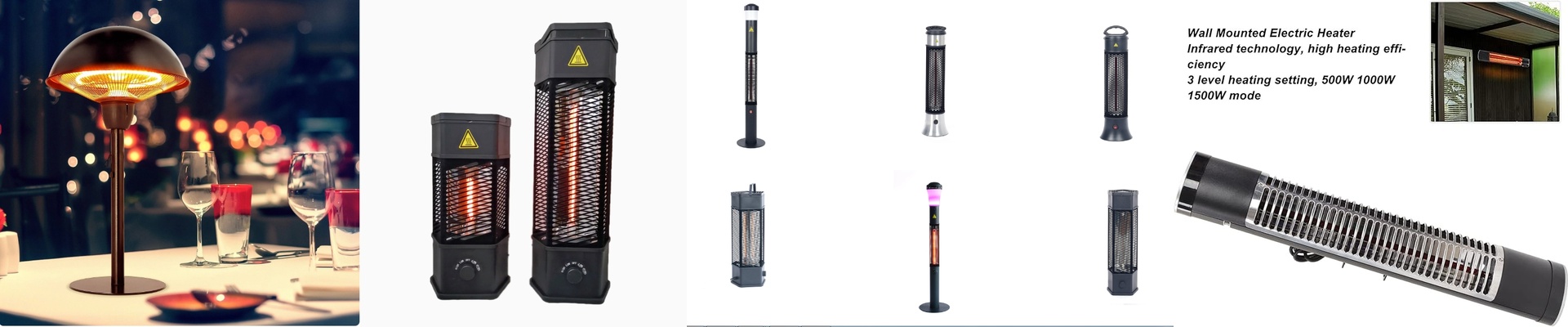
To get the most out of your heater, mount it about 2.1 to 2.4 meters high. You want that cone of heat to hit you where you actually stand, and reach the floor before it disappears into the ceiling. And please, don’t just leave it running. Grab a digital timer or a motion sensor. That way, the heater shuts off the moment you leave the room. There’s no point in spending money to heat up empty tiles.