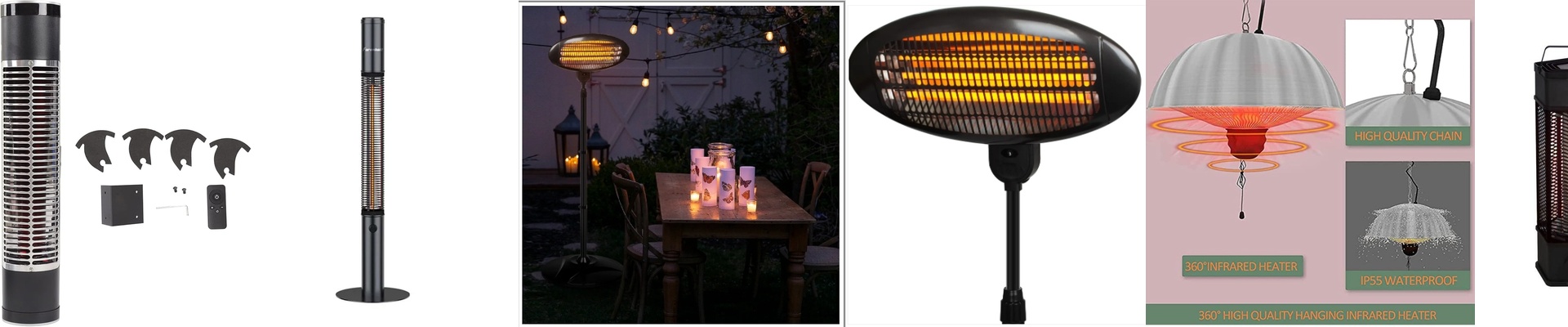

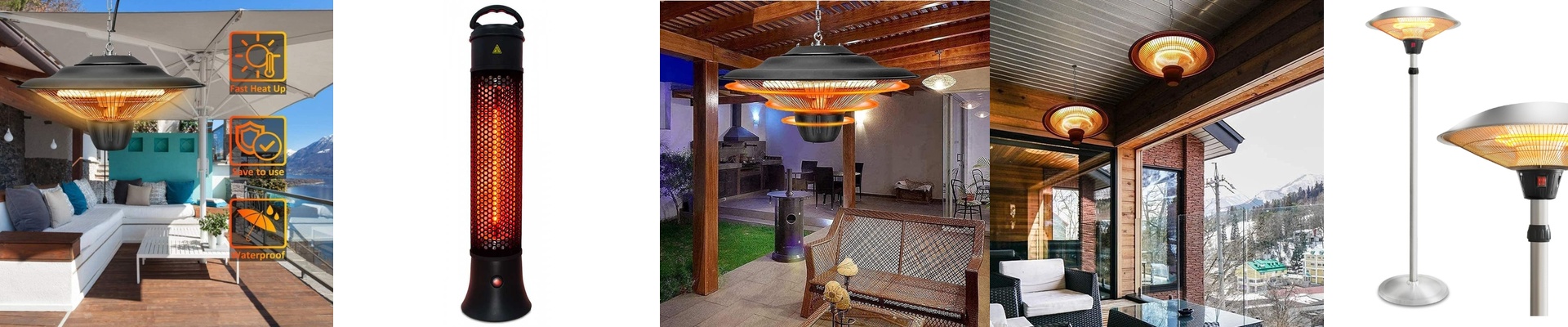
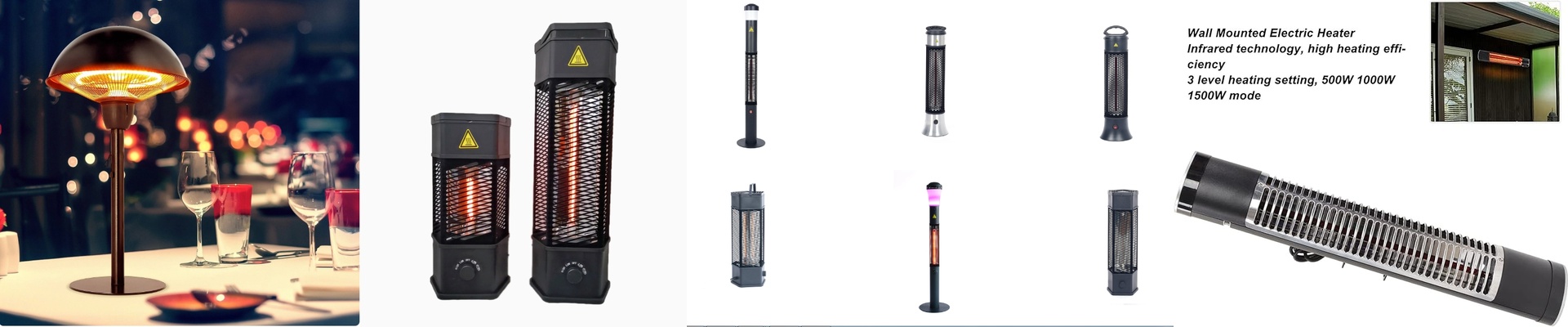
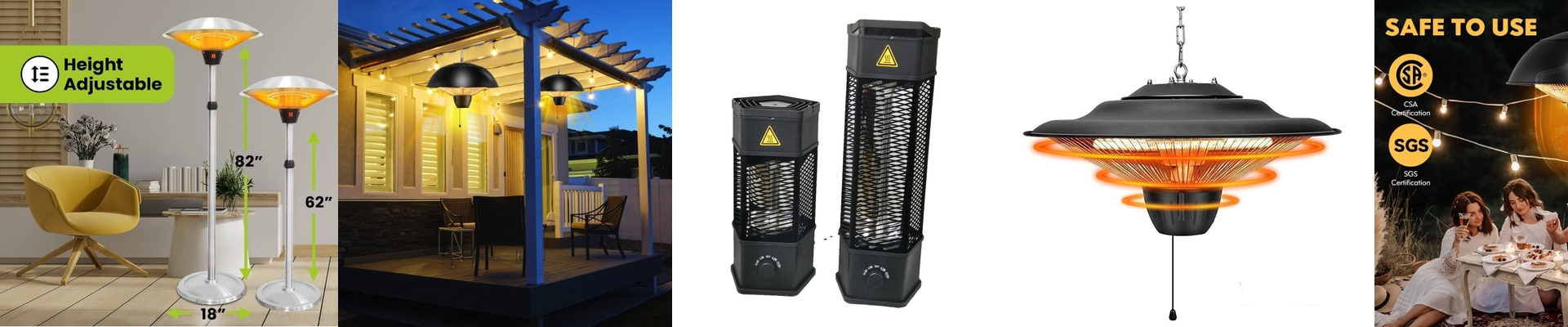
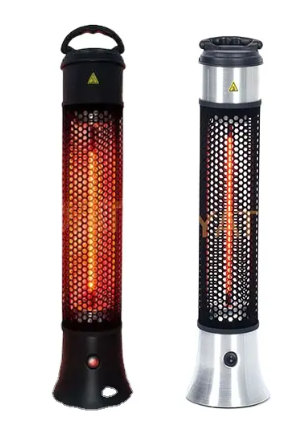
Let’s talk about heat. The good kind.
We built these plug-in wall heaters for one simple reason: to give you intense, focused heat exactly where you need it, without all the bulk. They’re direct-wire, which means they cut out the heavy enclosures and get right to the point. Think of them as the solution you reach for when you’ve got a tight space that needs serious warmth. At the heart of it all is a high-wattage halogen quartz tube. It’s tough, designed to handle being turned on and off constantly, and it thrives in hot environments. No fuss, just pure, reliable heat.
Getting into the details
Let’s talk numbers, but the practical kind. Our 400V, 2500W setup is a powerhouse. It pulls a lot of current, which is exactly how it packs so much heat into such a small package. The 400V rating is a smart move, too. It lines up with standard industrial power, so you don’t have to mess around with extra transformers on the shop floor. And the 300mm tube length? That wasn’t a random choice. It’s the sweet spot. It gives you a big enough heating zone, but it’s not so long that it becomes a fragile, bendy mess that’s likely to snap during handling or when things get a little shaky.
The guts that make it work
The magic is really in the halogen element, sealed inside that quartz tube. That halogen cycle does a brilliant job of keeping the tungsten filament clean and stable. It prevents the blackening you get with other elements, so the output stays consistent over the heater’s entire life. The upshot? You can run this thing hotter than a standard coil element without worrying about it burning out on you. The R7s base is another practical choice. It’s all about making your life easier. It gives you a solid, two-point connection that can handle the high current, and it’s a breeze to wire up right where you need it. And the ceramic body? That’s just tough. It can take a beating and provides serious electrical insulation.
Where this thing really shines
On the plant floor, this heater is a drop-in hero. It’s perfect for heating zones on packaging lines or in plastic processing equipment. It uses focused infrared heat, which means it blasts energy directly onto the target. You’re not wasting time and money heating up the air all around it. That’s a huge win for your energy bill. But here’s the thing to remember: this is intense heat. It’s powerful. That means you need to plan for it. Make sure you have proper airflow and machine cooling in place. You’ve got to be sure the components nearby can handle the extra warmth, or you’ll risk burning out the electronics next door.