Engineering High-Output Halogen Space Heaters: Power, Design, and Application
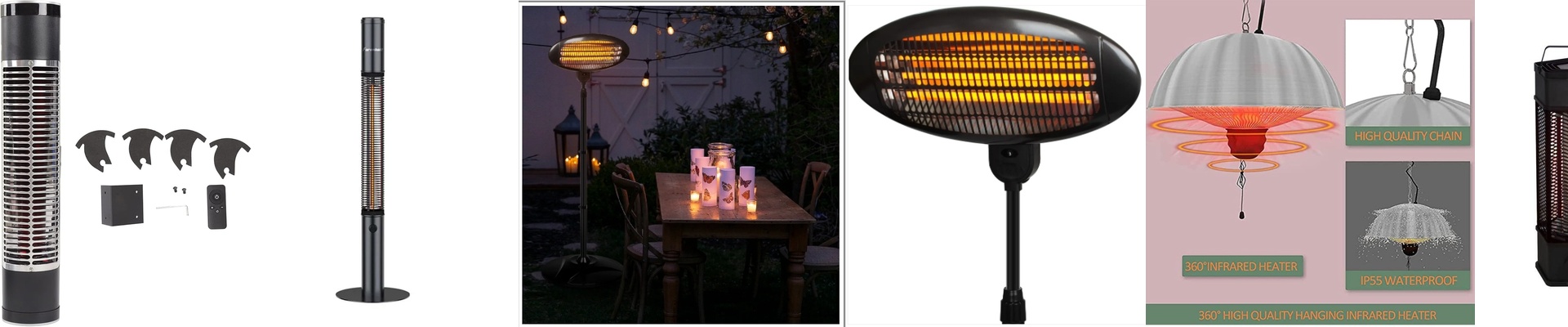
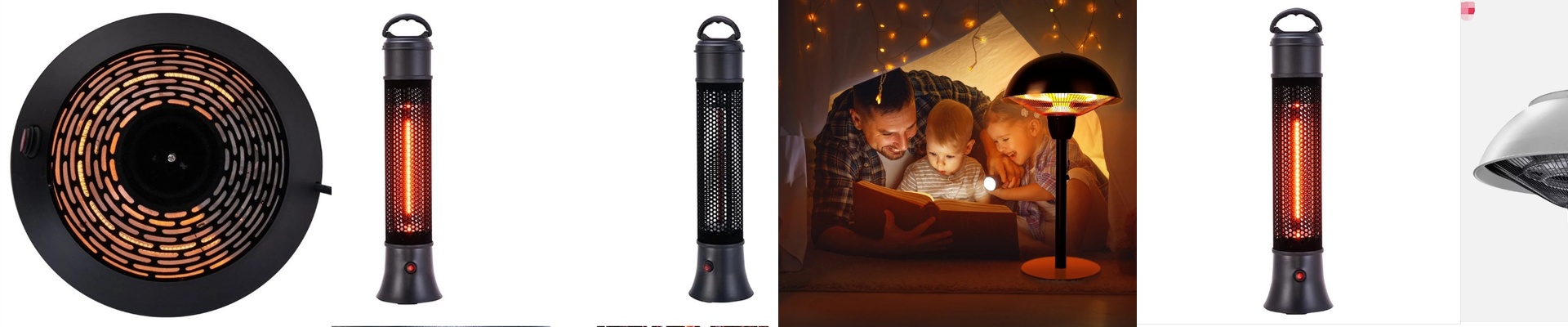
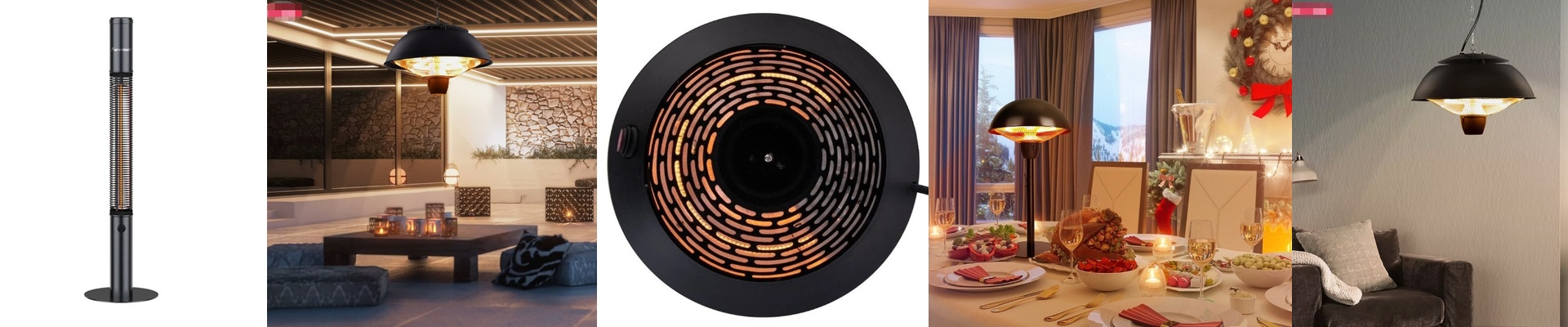
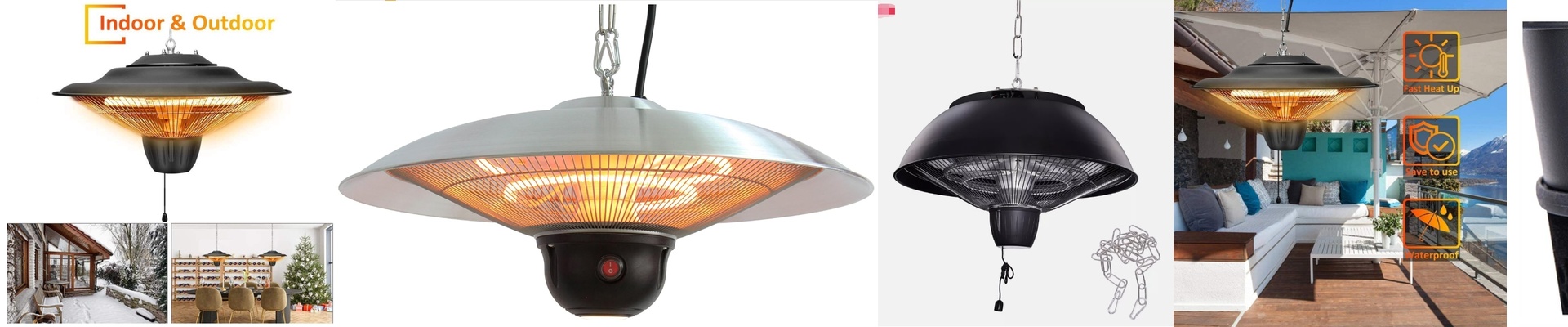
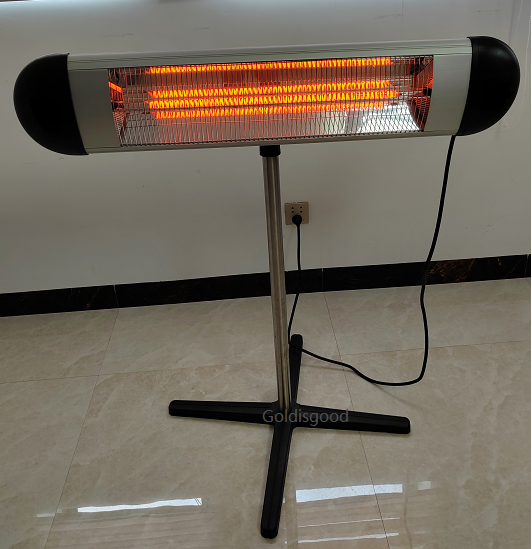
We build industrial space heaters for engineers who need serious heat in a compact package. These are fixed-install units, designed for the moments when you need intense, focused warmth—whether it’s for spot heating, preheating a process, or keeping an enclosure toasty.
Power, Voltage, and Dimensions: The Specs That Matter
We set these heaters up for real-world industrial power. You can spec them at 400V, which is great because it handles higher line voltages and cuts down on the current draw on your branch circuit. The payoff? Smaller wires and less wear and tear on your contactors. And the power is no joke. A 2500W rating gives you the heat flux you need to warm up a specific area fast. The 300mm tube length keeps all that energy focused in a tight space. We match the wattage to the length so the heat spreads evenly along the element. No hot spots. Just consistent performance that lasts.
Material & Design: The Details That Make It Work
Inside the quartz envelope, the halogen cycle keeps the filament stable, even when the temperature is cranked way up. That means the output stays steady over time, without fading. We also added a reflective coating to direct the infrared energy straight forward. It makes the heating more directional, so you’re not wasting heat where you don’t need it. Then there’s the R7s connector. It’s a simple, two-pin interface that makes wiring straightforward and lets you swap out the unit quickly out in the field. The whole design stays slim, so it slips right into tight mounting bays without a fight.
Application & Benefits: Heat Where You Need It
These heaters shine on manufacturing and packaging lines, where you need localized heat without overhauling your entire system. They’re a drop-in replacement, so installation is a breeze. And because they pack such a high heat density, you can warm up small zones without bringing in bulky equipment. Just keep one thing in mind. With that concentrated output, you need to plan for adequate cooling and clearance. Make sure you’ve got airflow and spacing sorted to protect nearby components and keep everything running smoothly.