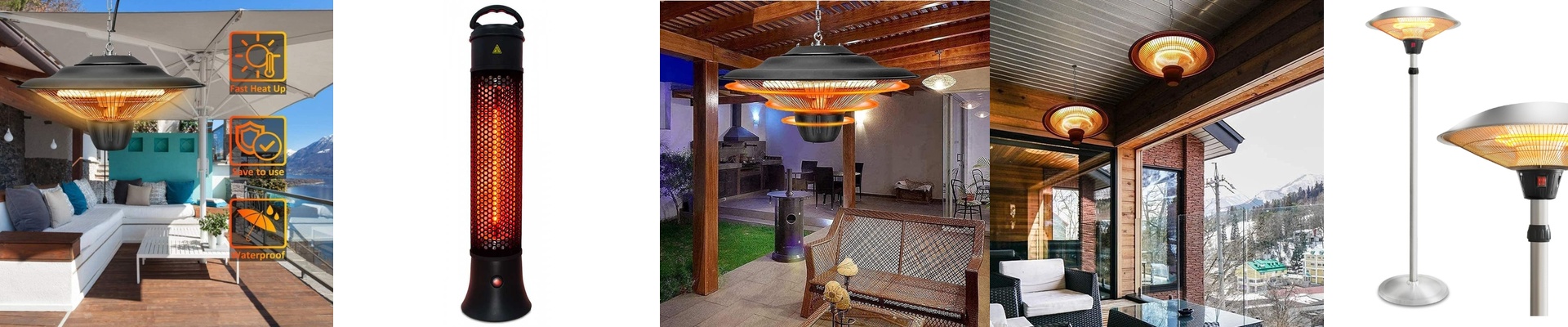
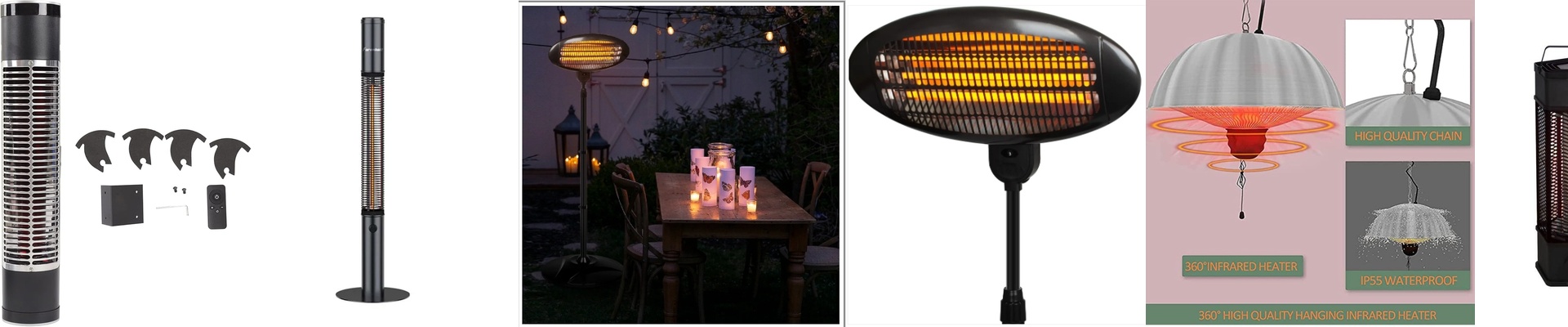
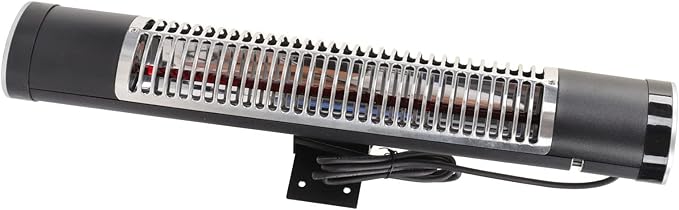
On a job site, the sun going down doesn’t stop the clock. Guests crowd close to the bar, staff keeps moving no matter what, and every unheated square foot of patio is capacity you’re leaving on the table. When the outdoor heating misses the mark, you don’t just lose comfort—you lose seating time, repeat visits, and the steady flow of service. That’s why bulk patio heaters aren’t a “nice-to-have.” They’re part of the operation—equipment that has to fire up the second it’s switched on and keep doing its job, season after season.
What matters under the hood
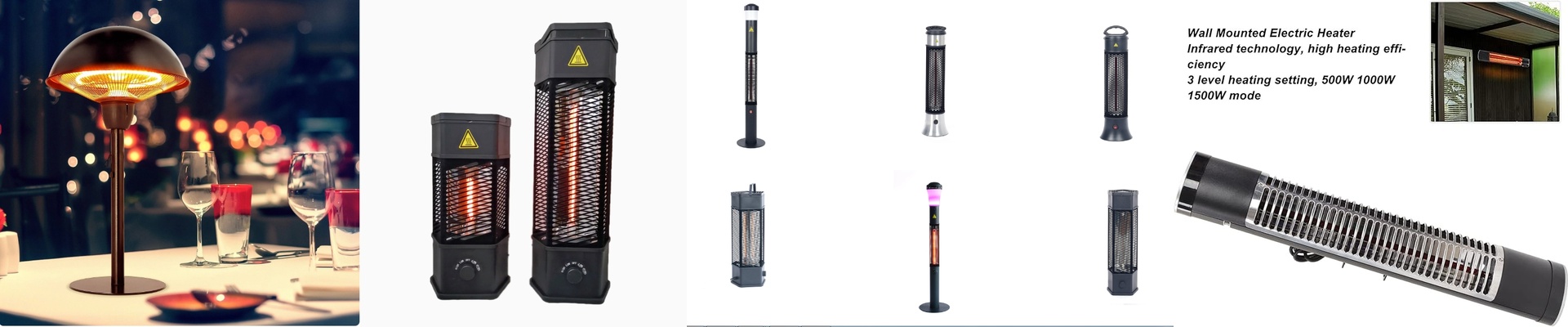
Bulk patio heaters lean on radiant warmth. Heat goes straight to people and surfaces, not into moving air. Outdoors, that’s the difference between warmth that lands immediately and warmth that gets swallowed by wind and open space. Most electric patio heaters use a quartz tube with a halogen element. It heats fast and delivers a strong, directional infrared output. You feel it from several feet away, without waiting around. Specs aren’t decoration. They’re the decisions that make a unit reliable.
- Power and output: Electric patio heaters typically run 1.5 kW to 2.0 kW. That output is what lets one heater cover a defined seating area with consistent warmth.
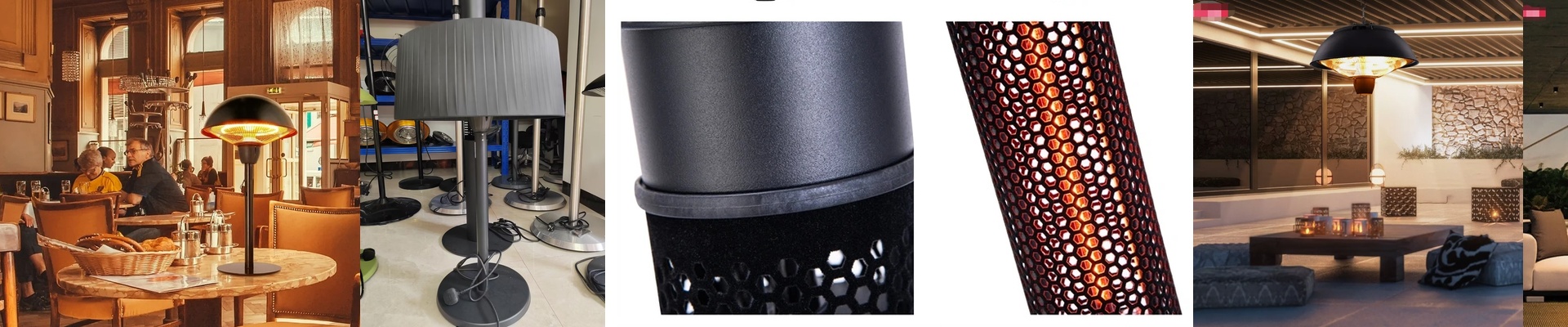
- Heating element choice: Quartz/halogen elements are popular for quick heat-up and steady infrared output. Some models use carbon fiber elements for long life and stable performance. The right pick depends on how long the heater runs each day and how much air movement it sees.
- Controls: A thermostat and adjustable settings matter when you’re managing comfort across zones. You want fine-tuning, not guesswork.
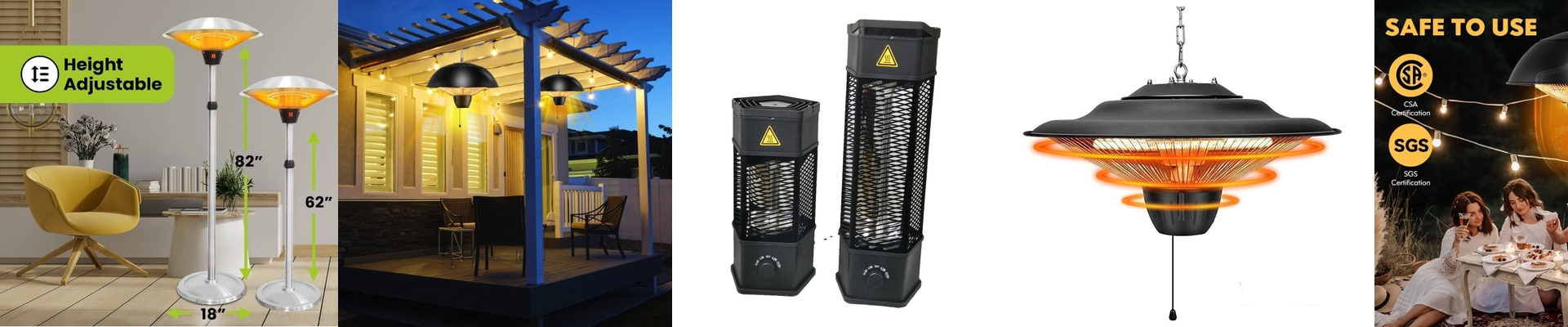
- Safety features: Tip-over protection and overheat protection should be standard. They’re the guardrails that keep things stable during busy service.
- Weather resistance: An IP rating tells you about protection from dust and water ingress. For patio heaters, a higher IP rating means the internals are better shielded from moisture—so the unit can handle the weather that comes with outdoor spaces.
Why this works in real-world seating
Outdoor seating only makes money when it’s usable. The moment it turns cold, guests pull back—and your floor plan shrinks. Bulk patio heaters keep that space alive by building warm pockets that make tables feel intentional, not exposed. Radiant heat is particularly effective outdoors because it warms people and nearby surfaces directly. That matters when wind keeps shifting the feel of a space, or when the temperature drops fast in the evening. People don’t just stay longer—they settle in. That’s the difference between a rushed visit and a return booking. From a business standpoint, buying in bulk changes the economics. When you’re outfitting multiple patios or replacing older units across several locations, the per-unit price becomes an operational lever. The upside isn’t just “cheaper.” It’s predictable. It’s easier to plan seasonal readiness when you can equip the whole space at once, instead of piecing it together over months. And behind that pricing is supply-chain control. When we manage our own sourcing, manufacturing, and quality checks, we cut out the layers that usually inflate costs. That’s how we pass real savings through—without pushing thinner materials, weaker elements, or shorter service life. You’re getting the same core heating performance, the same safety and weather protection, but with a cost structure that matches how we actually run.
The details that make it happen
Bulk patio heaters are straightforward to deploy, but performance in the wild comes down to placement and electrical planning.
- Placement matters: Radiant heat works best with a clear line of sight to the seating area. Mounting height, angle, and spacing determine whether you get even warmth or uneven hot spots.
- Power planning: Electric heaters need the right circuit capacity. If you’re running multiple units, make sure the wiring and breakers match the total load.
- Weather limits: Even with a solid IP rating, patio heaters perform best in dry to moderate conditions. In very wet or wind-driven weather, coverage can drop, and protective covers help extend service life.
- Clearance and ventilation: Keep the unit clear of combustible materials and allow airflow around it. Patio heaters need room to operate safely and efficiently. If you’re ready to make your outdoor space a revenue zone all season, bulk patio heaters are the practical way to get there—dependable warmth, solid specs, and a wholesale price that reflects real supply-chain efficiency.